Contractors are an indispensable part of the construction industry, playing a decisive role in the success or failure of each project. Today, there are various types of construction contractors, each specializing in specific tasks that suit different stages and requirements of a project. From general contractors responsible for comprehensive project management to specialized subcontractors handling particular tasks, understanding the roles of each contractor type helps investors select the right partner, ensuring quality and project timelines. Let’s explore the different types of construction contractors with BIC for a comprehensive perspective when initiating your project!
A construction contractor is an individual or organization responsible for performing work related to construction, installation, or service provision as required by a project. Contractors may handle the entire construction process or focus on specific tasks, depending on the contract and scope of work assigned.
The role of contractors goes beyond execution; it also includes managing, supervising, and ensuring the quality of the project. With their expertise and experience, contractors help investors turn design concepts into reality while optimizing resources in terms of cost, time, and manpower. Understanding the functions and responsibilities of contractors lays a solid foundation for a successful project.

The construction industry comprises various types of contractors, each taking on specific responsibilities tailored to different stages and unique project requirements. Below are some common types:
General contractors oversee the entire construction project, from planning and task allocation to supervising progress and ensuring quality. They are typically direct partners with the investor, coordinating subcontractors and addressing issues arising during construction.
Subcontractors are often hired by general contractors to perform specialized tasks such as installing electrical systems, plumbing, finishing, or painting. Their role is critical in ensuring the progress and quality of individual components within the project.
These contractors focus on specific technical fields, such as mechanical and electrical systems, wastewater treatment, or fire prevention systems. Hiring specialized contractors ensures that complex tasks are carried out by experienced experts.

This type of contractor offers integrated services from design to construction. It is an optimal solution for projects requiring time and cost savings, as the contractor is responsible for synchronizing both stages, reducing errors during execution.
Material suppliers are responsible for ensuring the supply of construction materials such as cement, sand, gravel, steel, etc. A reliable supply source contributes to achieving the desired durability and aesthetics for the project.
Each type of contractor has its own strengths, and the close coordination among these contractors is the key to achieving the optimal completion of a construction project.
Construction contractors play a vital role in ensuring the success of a project, from preparation to project completion. Below are the key responsibilities contractors must fulfill:
- Contractors must perform tasks in accordance with the terms of the contract, including the scope of work, construction timeline, and project quality.
- Ensure the use of approved materials and equipment that meet technical standards.
- Contractors must comply with construction standards, technical regulations, and legal requirements.
- The completed project must meet high-quality standards, ensuring durability and safety.
- Develop detailed plans and ensure compliance with the committed timeline.
- Address issues promptly to avoid project delays.
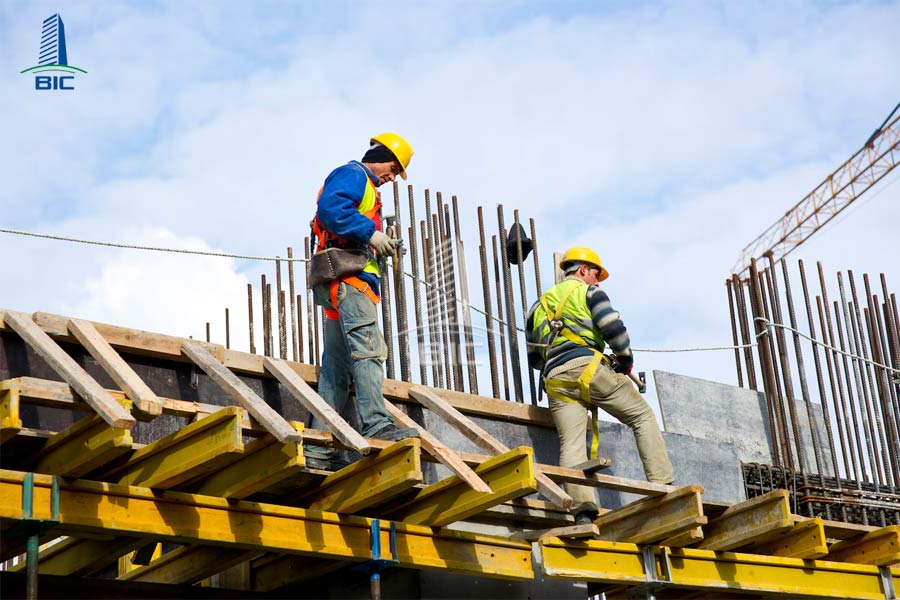
- Contractors must comply with workplace safety regulations, including providing protective equipment, safety training, and preventive measures.
- Respond swiftly to incidents to protect workers' lives and health.
- Implement measures to minimize environmental impacts, such as waste management, noise reduction, and dust control.
- Adhere to environmental protection regulations throughout the construction process.
- After handover, contractors are responsible for warranty services and addressing defects during the warranty period.
- Provide prompt and effective support to maintain their reputation with the investor.
Construction contractors are not just task executors but also partners with investors, ensuring the project achieves the highest standards of quality, progress, and efficiency.
Choosing the right contractor not only optimizes costs and timelines but also ensures the project meets the highest quality standards. This decision is critical to the success of any construction project.
If you are looking for a trusted partner to assist in selecting contractors, contact BIC today. With extensive experience and credibility in the industry, BIC is committed to providing you with optimal solutions and professional services. Reach out to BIC now for dedicated and efficient consultation!