Structural steel plays a crucial role in the construction industry, particularly in industrial building construction. With outstanding advantages such as high durability, excellent load-bearing capacity, rapid construction time, and cost-effectiveness, structural steel is increasingly favored and widely used. Compared to traditional materials like concrete and wood, steel structures not only offer economic benefits but also meet stringent technical requirements, helping investors optimize their projects.
Structural steel is a widely used construction material in industrial building projects. Known for its excellent load-bearing capacity, high durability, and corrosion resistance, structural steel has become a top choice for constructing various types of buildings. Its role extends beyond creating a robust framework for industrial buildings; it also ensures safety and long-term stability for the structure.
By using structural steel, investors can minimize construction time and reduce future maintenance costs. Additionally, steel structures provide high aesthetic value, are easily customizable, and adaptable to various architectural styles.
Due to these superior qualities, steel framing is increasingly popular in industrial building construction and has become an essential component of modern industrial projects.
Structural steel is categorized into several types, each with unique characteristics and applications in industrial building construction:
- I-Beams and H-Beams: These are the most commonly used steel shapes, primarily employed in the main structural frames of buildings. I-beams and H-beams have excellent load-bearing capacity and are typically used for beams, columns, and main frames of the structure.
- U-Beams and V-Beams: U-beams and V-beams are often used in auxiliary structural components such as bracing, door frames, and smaller structural elements. Their unique shapes enhance the rigidity and stability of structural components.
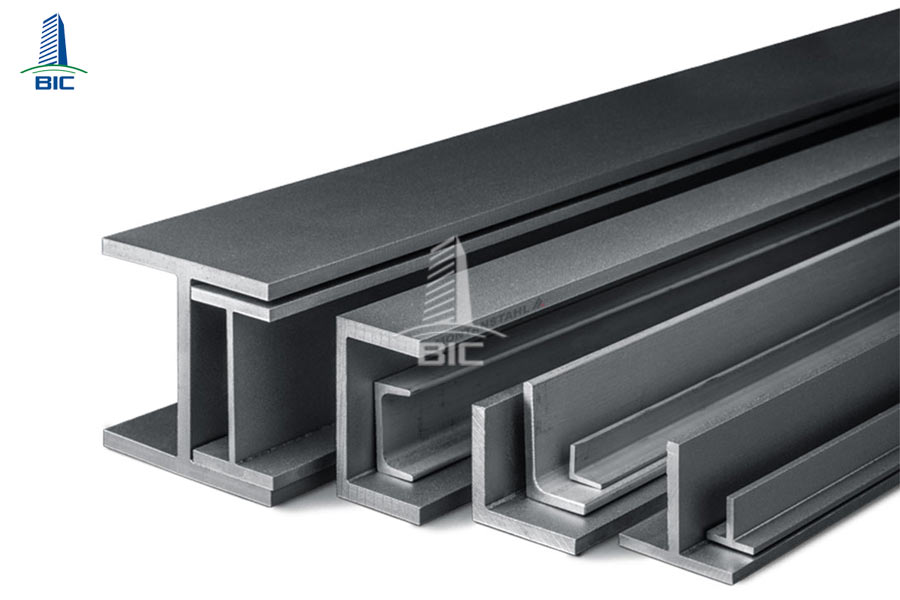
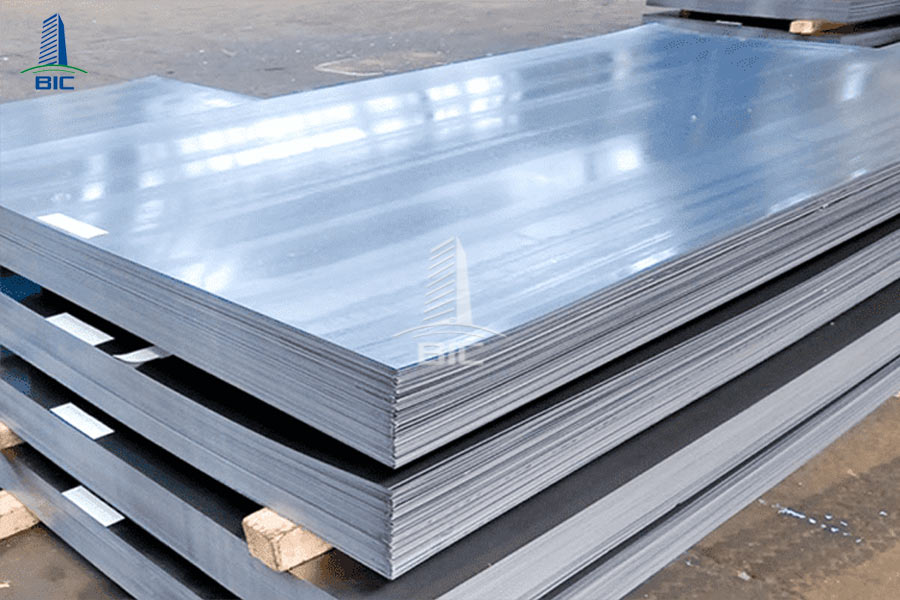
Steel plates are widely used for flooring and roofing in industrial buildings. With their flexible thickness and size, steel plates can withstand heavy loads and distribute forces evenly across the structure. Additionally, steel plates are used to reinforce walls and create partitions.
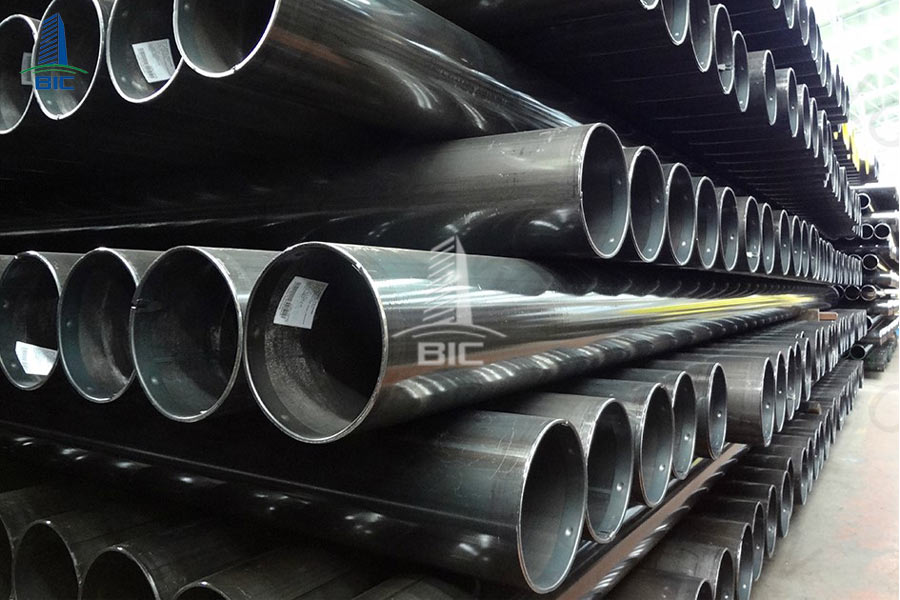
Steel tubes, known for their excellent compression and tension strength, are primarily used in fluid and gas piping systems in industrial buildings. They are also applied in scaffolding, lighting columns, and other load-bearing structures.
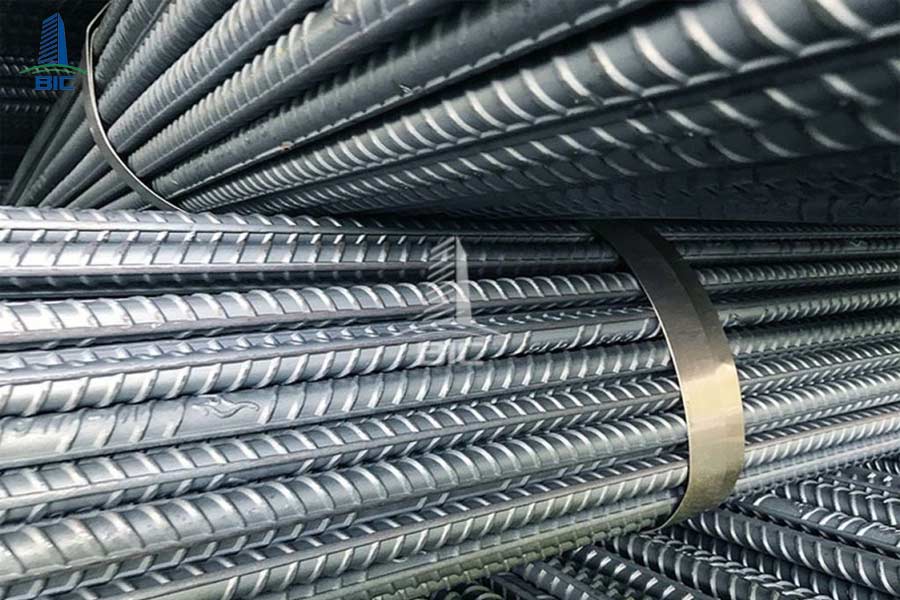
Steel bars, or reinforcing bars, are commonly used to reinforce and support concrete structures. With their ductility and good bending strength, steel bars enhance the durability and stability of concrete elements, ensuring that the structure can withstand environmental loads and pressures.
Each type of structural steel has its specific role and application in industrial building construction, ensuring the safety and effectiveness of the entire project.
Steel shapes, particularly I-beams and H-beams, play a vital role in forming the main framework of industrial buildings. They are used for beams and columns, providing rigidity and high load-bearing capacity to the entire structure. Their robust design allows the building to withstand heavy loads and harsh environmental conditions.
Steel plates are commonly used for flooring and roofing in industrial buildings. They ensure safety and durability for areas subjected to significant wear, such as production floors and roofs. Steel plates are also used for partitions, effectively dividing the space within the building.
Steel tubes are widely used in fluid and gas piping systems within industrial buildings. They provide reliable and efficient solutions for water, gas, and other industrial fluid transport. Additionally, steel tubes are used in scaffolding and lighting columns.
Steel bars are used to reinforce and support concrete structures in industrial buildings. Their ability to withstand bending and tension enhances the strength and stability of concrete elements, ensuring that the structure can handle various loads and environmental pressures.
Properly selecting the type of structural steel for each specific application optimizes the effectiveness and durability of industrial buildings. This not only ensures safety but also prolongs the lifespan of the structure, helping to save on future maintenance and repair costs.
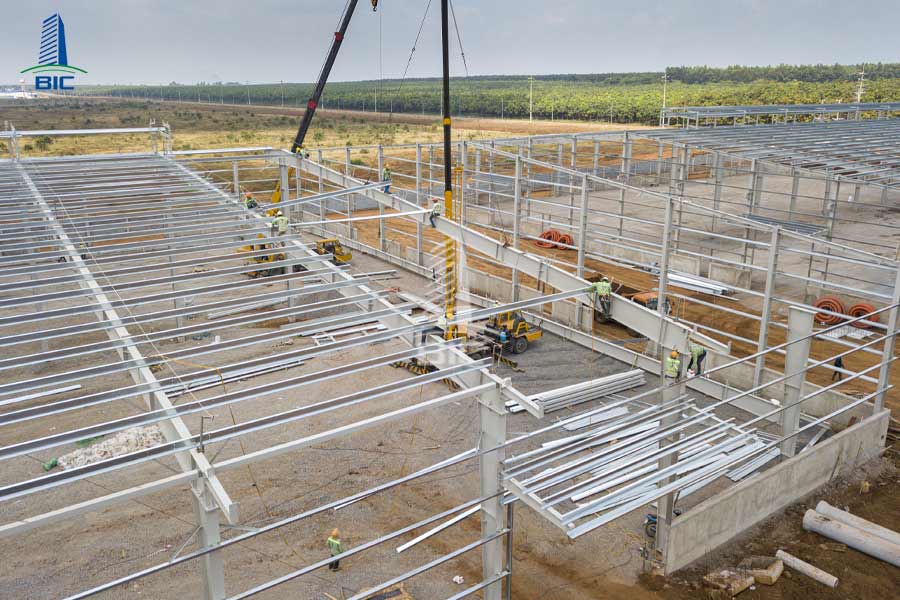
Structural steel outperforms reinforced concrete in load-bearing capacity. It handles tensile, compressive, bending, and torsional forces effectively, making it suitable for projects requiring high durability and flexibility in industrial construction.
Steel structures are lighter than reinforced concrete, reducing the load on foundations and the underlying structure. This is particularly important for large-scale projects or constructions on weak soil, helping to lower foundation costs and improve construction efficiency.
Structural steel offers high flexibility in design and construction. It is easy to cut, weld, and assemble, allowing for complex and creative designs. In contrast, reinforced concrete requires intricate formwork and curing time, which can slow down construction progress.
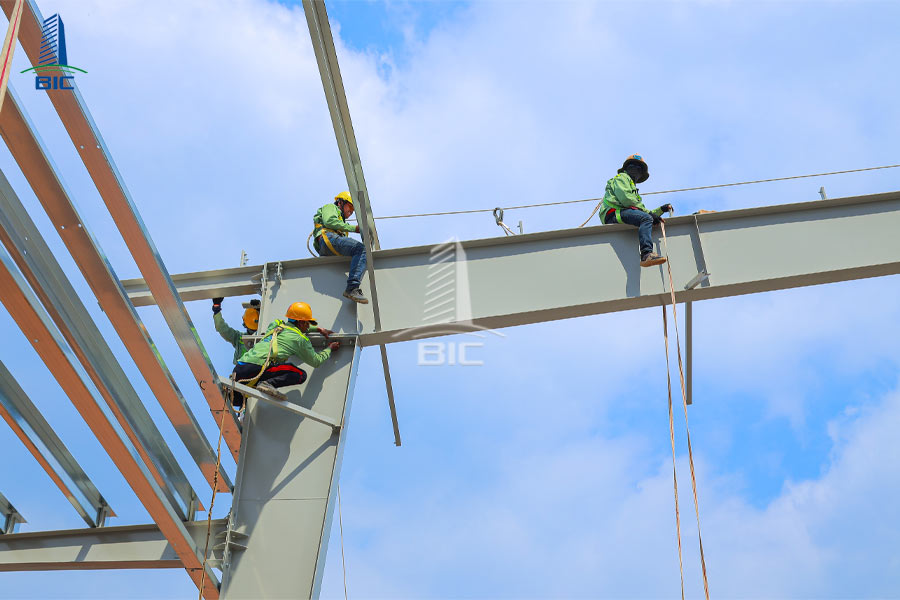
Using structural steel significantly shortens construction time compared to reinforced concrete. Steel is pre-fabricated and processed in factories, then assembled on-site, reducing waiting time and accelerating project completion.
Structural steel can be almost entirely reused and recycled, minimizing environmental impact. In contrast, reinforced concrete is difficult to recycle and typically generates substantial construction waste upon demolition.
Steel has better fire resistance compared to reinforced concrete. When protected with fire-resistant coatings or materials, steel maintains its strength and structural integrity for extended periods under high temperatures, enhancing safety.
Structural steel allows for modern and unique architectural designs. Its flexible shaping capabilities enable architects and designers to create aesthetically pleasing structures, surpassing traditional reinforced concrete buildings.
While reinforced concrete remains a popular choice with its own advantages, structural steel excels in many crucial aspects such as load-bearing capacity, weight, flexibility, construction time, and recyclability. This makes structural steel the preferred option for various types of projects, especially those requiring high durability and complex designs.
BIC is a leading provider of design and construction solutions for industrial buildings, pre-engineered steel buildings, and structural steel. With extensive experience from executing numerous large and small projects, BIC is committed to delivering comprehensive and professional services to clients. We not only provide dedicated support throughout the project but also maintain continuous assistance after completion. BIC proudly stands as a reliable partner, always ready to meet clients' needs and expectations with optimal solutions.