Construction design is a crucial and decisive step in the formation and development of a company's production facility. A well-designed factory not only ensures high work efficiency but also meets technical, safety, and environmental standards.
In today's highly competitive environment, investing in the proper design of a factory will help businesses save costs, optimize space, and enhance production efficiency. Before starting construction, understanding the process and the necessary factors to consider is essential for achieving a successful project.
Construction design encompasses various steps and components to ensure that the completed project meets technical, aesthetic, safety, and operational requirements. Below are the main components of a factory design:
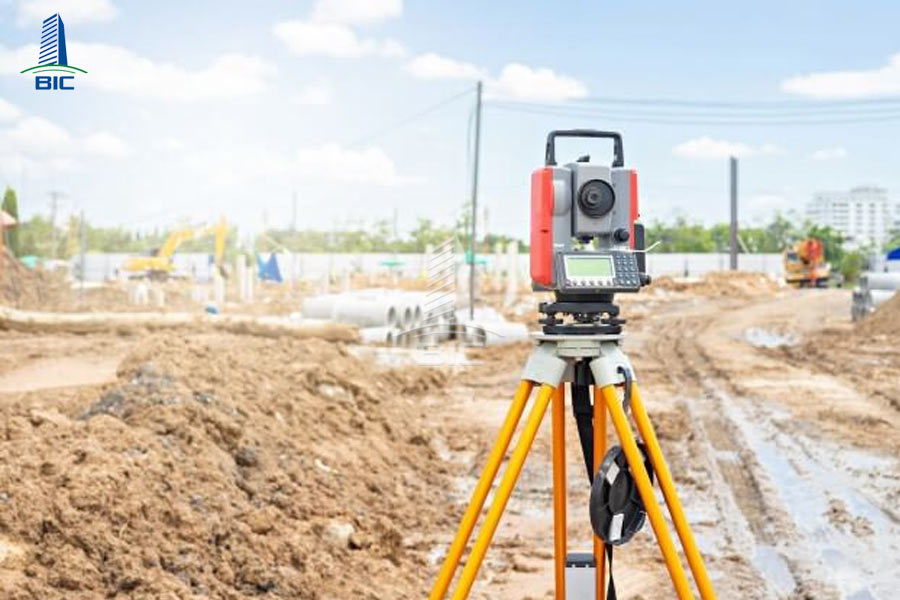
Terrain and Geology Survey: Assess the natural conditions of the construction area, including terrain, geology, surrounding environment, and other influencing factors.
Project Requirement Analysis: Determine the objectives, scale, functional use, and specific requirements of the investor.
Floor Plan: Layout the overall space of the facility, dividing the functional areas in the construction design.
Section Drawings: Display the structure of the building in a vertical direction, including floors, heights, and structural details.
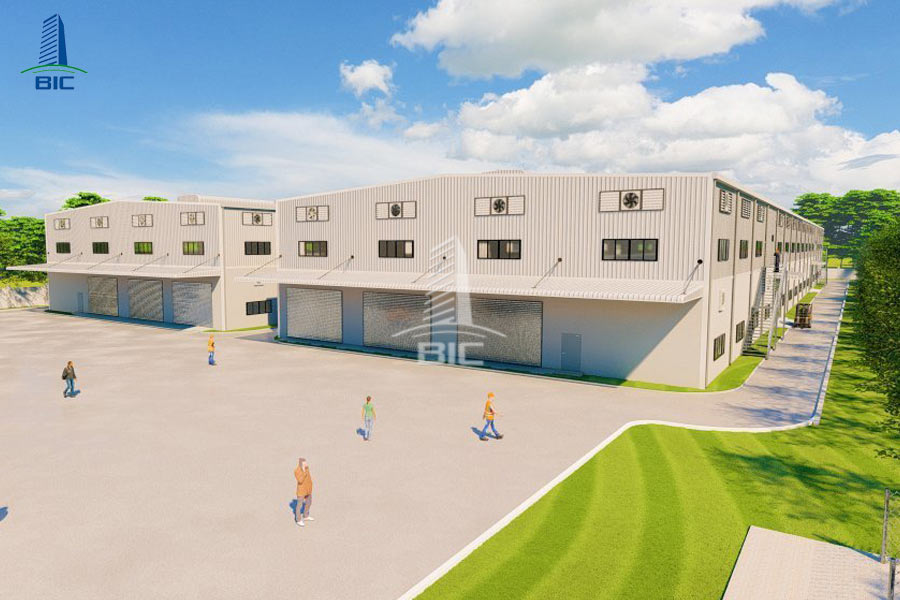
Perspective Drawings: Simulate the overall image of the completed building, helping visualize the design from an external viewpoint.
Foundation Design: Determine the appropriate foundation type according to the geological conditions to ensure the durability of the structure.
Framework Design: Specify the materials and structural forms such as columns, beams, and floors to ensure safety and load-bearing capacity.
Electrical System: Includes designing electrical circuits, lighting systems, control systems, and protection systems.
Water System: Design water supply and drainage systems, and fire protection systems.
Ventilation and Air Conditioning System: Ensure a cool and comfortable working space.
Wastewater Treatment System: The design must meet environmental protection requirements and comply with legal regulations.
Construction Material Selection: Ensure the quality, durability, and aesthetics of the project.
Cost and Efficiency Comparison: Evaluate different materials to optimize costs.
Construction Cost Calculation: Includes the cost of materials, labor, machinery, equipment, and other incurred costs.
Budget Contingency: Ensure there is a reserve for unexpected expenses.
Determine Construction Time: Create a specific plan for completing each task.
Progress Management: Monitor and adjust the construction progress to ensure timely completion.
Every step in the construction design process plays a vital role in ensuring that the project is completed efficiently, safely, and meets the desired standards.
Whether constructing a pre-engineered steel factory or a reinforced concrete factory, the foundation structure still uses a reinforced concrete foundation system to enhance stability during use.
The factory foundation in the design (also known as the base) is the lowest technical structure of the project, responsible for bearing the entire structure's load and transferring it to the underlying ground, ensuring stability and firmness for the factory.
Before pouring concrete for the foundation, anchor bolts (anchor bolts) must be accurately installed and tightly connected to the foundation's steel system. Installing anchor bolts is an extremely important step, ensuring the factory's foundation is solid and facilitating the accurate and smooth installation of steel structures and columns later.
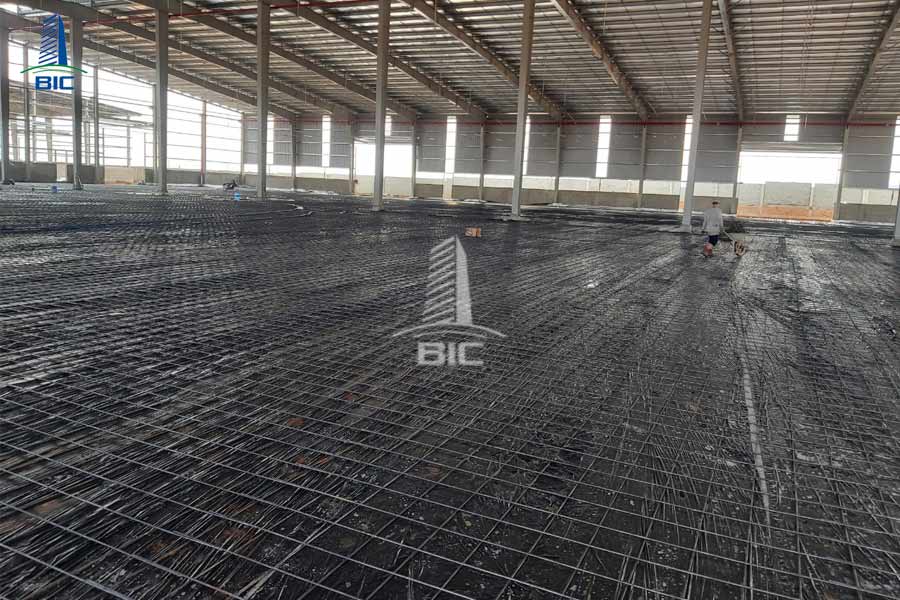
All activities within the factory take place on the factory floor, making it a crucial component in the construction design due to the large load and high traffic density it must endure.
Therefore, the factory floor is usually poured with concrete on a base layer and compacted sand. Depending on the load (e.g., the weight of machinery, trucks) and the geological characteristics of the project, different types of floor structures may be selected, such as:
- Standard Factory Floor: This type of floor is placed on natural soil, also known as a slab on grade.
- Cement-Soil Reinforced Pile Floor: Uses cement piles to reinforce and increase the floor's load-bearing capacity.
- Suspended Floor: Also known as a suspended slab on reinforced concrete piles, commonly used in areas with weak soil.
After completing the construction and reinforcement of the floor, the factory floor will be polished or coated with epoxy. This not only keeps the floor clean during use but also protects the surface from environmental impacts and production activities.
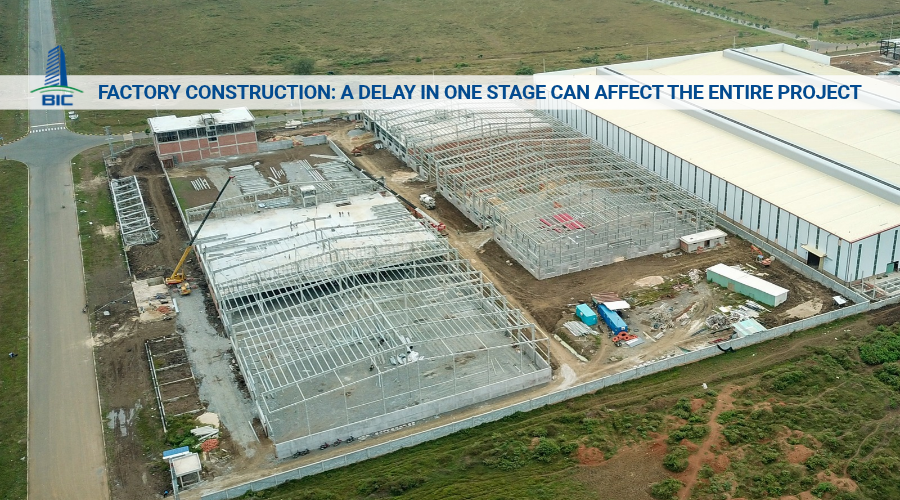
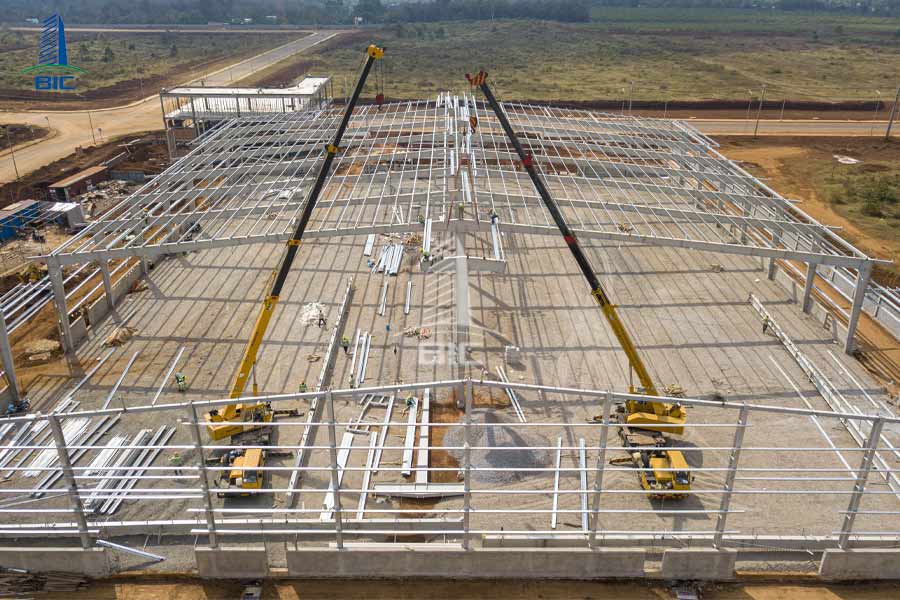
The structural frame is the main component of the factory structure in construction design. Engineers must ensure that the structure can withstand large loads during the design process.
Steel frames are usually designed in the form of an H-shaped steel section with varying cross-sections or a truss structure to optimize load-bearing capacity. Connections between columns and rafters often use base plates and high-strength bolts to ensure the stability and durability of the entire structure.
Purlins are crucial steel components in the factory structure design. Their main function is to connect with the steel rafters to support the roof (roof purlins) or support the standing metal sheets around (side purlins). Galvanized steel purlins are typically designed in C or Z shapes to ensure durability and good load-bearing capacity.
- Bracing System: The bracing system is essential in the factory structure, even though it does not account for much weight.
- The bracing system helps increase the stability of the main structural frame during the construction and use of the factory, minimizing deformation of the factory structure, and ensuring the facility operates efficiently and safely.
Although the bracing system does not weigh much, its precise installation and inspection are crucial to ensure the stability and durability of the entire factory structure.
Designing and constructing a factory involves many critical factors, each playing a key role in ensuring the factory operates efficiently and sustainably. Thorough preparation and accurate design will help your factory function safely and achieve optimal efficiency throughout its use. If you are looking for a factory design and construction company, contact BIC today.