When starting a project, in addition to having a perfect construction design, the task of selecting the right construction contractor plays a crucial role. Contractors not only bring ideas on paper to life but also ensure the quality of the project, adherence to timelines, and workplace safety. So, what exactly is a construction contractor? What types of contractors are there in construction? Let’s explore these details with BIC in the article below.
A construction contractor is an organization or individual with the legal capacity and expertise to carry out construction work under signed investment contracts. Contractors play an important role in transforming design ideas into reality.
The essential qualities of a professional contractor must meet the following criteria:
- Legal permits: This includes business registration licenses and construction permits, as well as professional certifications.
- Skilled workforce: From architects and technicians to supervisors and construction workers, all must be well-trained and have practical experience.
- Construction equipment: Adequate and modern to ensure quality and technological progress.
- Financial capability: Contractors need to have strong financial resources to manage costs and invest in necessary materials and labor.
Simply choosing a reputable and professional contractor not only helps homeowners with advice but also ensures that the process is carried out on schedule, meeting technical and aesthetic standards.

Currently, construction contractors are divided into various types based on their roles and the scope of work they undertake. Below are the common types of contractors in the construction industry that you need to know.
The general contractor (also known as the main contractor) is the entity responsible for executing the project. This is the party that signs the contract directly with the investor and ensures safety for the construction work or manages other subcontract packages.
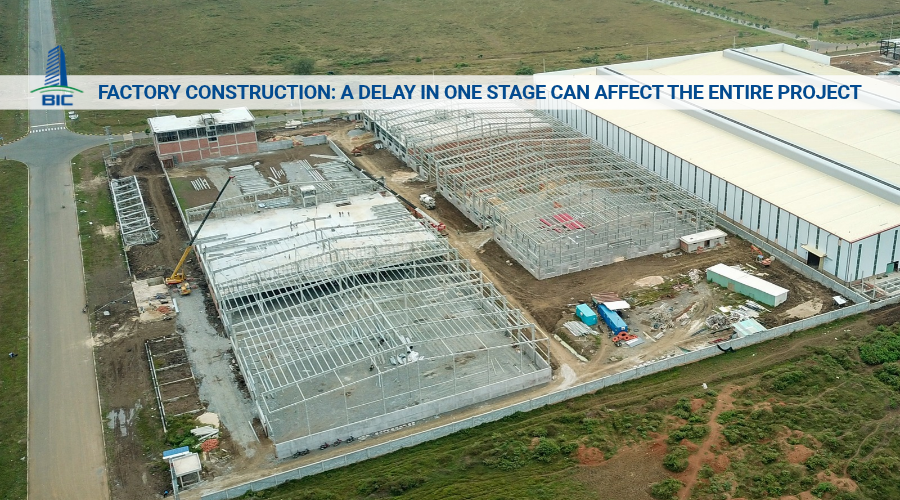
For example, in a factory construction project, the general contractor may take on the work of laying the foundation, installing mechanical systems, and overseeing the finishing process.
A subcontractor is an entity that performs specialized tasks according to the contract signed with the general contractor. They do not work directly with the investor but receive direction from the general contractor.
Common types of work that subcontractors handle include:
- Masonry work
- Mechanical, Electrical, and Plumbing (MEP) work
- Installation of air conditioning systems
- Fire protection system installation
This type of contractor specializes in critical tasks or those requiring high technical expertise that the general contractor cannot handle independently. Specialized subcontractors often appear in complex projects such as road and bridge construction, industrial facilities, or projects requiring advanced technology.
- Domestic Contractors: Individuals or organizations established under Vietnamese law and holding Vietnamese nationality.
- Foreign Contractors: International organizations or foreign companies participating in construction projects in Vietnam. They often appear in large-scale projects or those utilizing foreign investment.

The construction contractor is not only responsible for the execution of the work but also accountable to the law, primarily regarding quality, progress, and occupational safety within the project.
The quality of the construction is the top priority that the contractor must ensure. Each work item must meet the technical standards specified in the contract. The contractor needs to ensure a comprehensive approach from the preparation of construction materials and equipment to the execution process.
In the event of technical errors or incidents, the contractor must promptly propose solutions to resolve them in a timely manner to avoid disrupting the schedule. Only when every detail meets the standards can the project be considered successful and ensure sustainability in the future.
The construction contractor must provide sufficient materials, equipment, and labor to meet the project's requirements. Construction materials need to be carefully selected to ensure they are suitable for the design and technical standards. At the same time, the workforce must consist of skilled workers with experience in specific fields. Ensuring a supply of high-quality labor and materials not only enhances construction efficiency but also saves costs and time for the investor.
- Signing contracts with subcontractors
In many cases, construction projects require the involvement of supervisory consultants or subcontractors to carry out technically demanding tasks. The general contractor is responsible for signing contracts with appropriate subcontractors while closely monitoring their work processes. This not only ensures progress but also helps control the quality of each work component, avoiding potential risks during the construction process.
- Compliance with Occupational Safety
Occupational safety is an essential factor that cannot be overlooked in any construction project. Contractors must develop and implement safety solutions for workers, ensuring that equipment is adequately provided at the construction site. At the same time, regulations regarding occupational safety must be disseminated and strictly monitored for compliance. A project that meets standards must not only focus on quality but also ensure the lives and health of those directly involved in the construction work.

Choosing a contractor should not only be based on price but also consider the contractor's capabilities, experience, and reputation. Here are some criteria to consider:
- Check the capability profile: The capability profile of the construction contractor provides detailed information about their experience, completed projects, and personnel. This is an important basis for assessing their actual capabilities.
- Refer to past customer experiences: Consulting the experiences of previous customers of the contractor will help you gain a better understanding of their working style, timelines, and the quality of the projects they deliver.
- Evaluate through quotes and contracts: A detailed and transparent quote will reflect the contractor's level of expertise. Additionally, the terms in the contract should be carefully reviewed to avoid disputes later on.
- Inspect actual projects: If possible, visit the projects that the contractor has completed to assess the quality and construction style.
In the context of increasingly modern construction technology, the role of contractors is also evolving to meet new demands. Trends such as green buildings, the use of sustainable materials, and the application of BIM technology are becoming standards in the industry.
Modern contractors not only need to have technical expertise but also must possess project management skills, cost optimization abilities, and ensure the sustainability of the projects.
Understanding the concept of construction contractors, their classifications, and responsibilities provides a comprehensive view and helps make informed decisions when starting a project.
If you are looking for a reputable and professional unit, carefully consider the skills and prioritize contractors with extensive experience, a quality workforce, and a strong commitment to responsibility.
For consultation and support regarding factory design, construction, or factory improvement, please contact BIC. We are a leading unit in the field of industrial factory design, committed to providing safe and superior quality solutions for all your processes.