Which province has the most industrial parks in Viet Nam currently? This is a question that is receiving a lot of attention from workers, customers, and especially investors who are in need of building factories. In the current economic development context, industrial parks play a key role in promoting growth and restructuring the economy. Not only do they create millions of jobs, but industrial parks also attract domestic and foreign investment, improve infrastructure, and enhance the lives of local residents.
This article will answer the question "which province has the most industrial parks in Viet Nam currently?" while also examining the factors contributing to the outstanding development of that province. Through this, we will have a more comprehensive understanding of the role of industrial parks and the benefits they bring to the country's economic development.
In recent years, Vietnam has witnessed strong development of industrial parks across the country. The government and relevant agencies have set the goal of building and developing industrial parks as one of the important strategies to promote economic growth, modernize the country, and integrate internationally.
According to data from the Vietnam Association of Realtors (VARS) published in the current real estate market report of Vietnam:
- 563 industrial parks in the planning.
- 397 industrial parks have been established.
- 292 industrial parks are operational.
- 106 industrial parks are under construction.
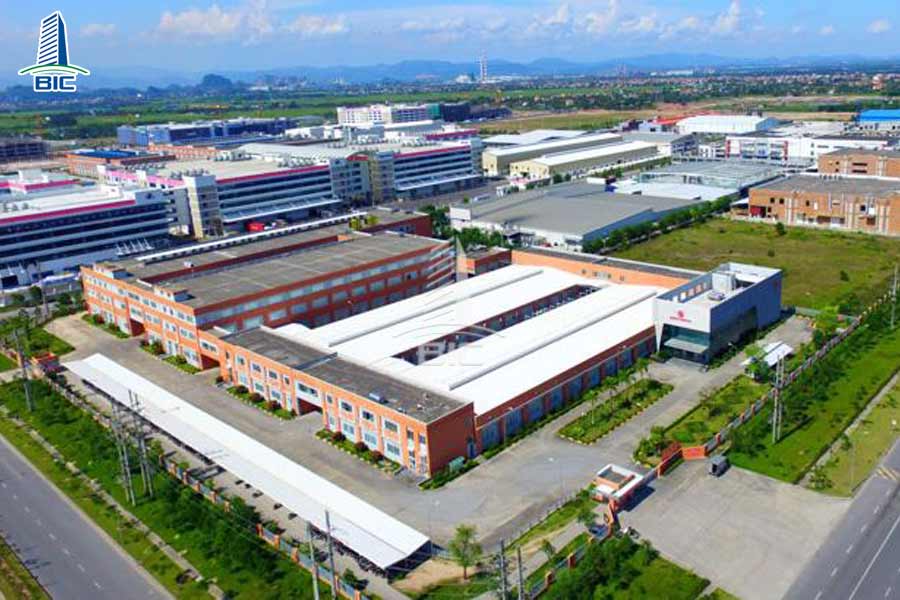
Industrial parks in Vietnam are distributed widely in key economic regions, including the Southeast, Red River Delta, and Central Coastal regions. These areas have advantages in terms of geographical location, infrastructure, and labor force, especially which province has the most industrial parks in Viet Nam. These are the key factors attracting investment and industrial park development.
The Vietnamese government has issued many preferential policies to promote the development of industrial parks, including:
- Tax incentives: Enterprises in industrial parks often enjoy preferential tax rates or tax exemptions/reductions for a certain period.
- Land support: The government and localities often support land clearance, provide clean land, and basic infrastructure for investors.
- Investment encouragement policies: In addition to tax incentives, businesses are also supported in administrative procedures, accessing preferential loans, and human resource training.
Thanks to these policies, the number and scale of industrial parks in Vietnam have grown rapidly. The occupancy rate of first-class industrial parks nationwide is increasing, reaching over 80%, with Binh Duong having the highest occupancy rate of over 95%. This strong development has significantly contributed to the country's economic development, creating many job opportunities and attracting domestic and foreign investment."
Dong Nai is currently the province with the most industrial parks in Vietnam, boasting 32 operational industrial parks covering a total area of over 10,000 hectares. This also answers the question of which province has the most industrial parks in the Southern region, which has garnered significant interest from many readers. With its strategic location in the key economic region of the South, Dong Nai has experienced strong development with a system of large-scale industrial parks, contributing to the potential of the entire country.
Currently, Dong Nai has a total of 32 operational industrial parks, with a high occupancy rate, making significant contributions to the local economy.
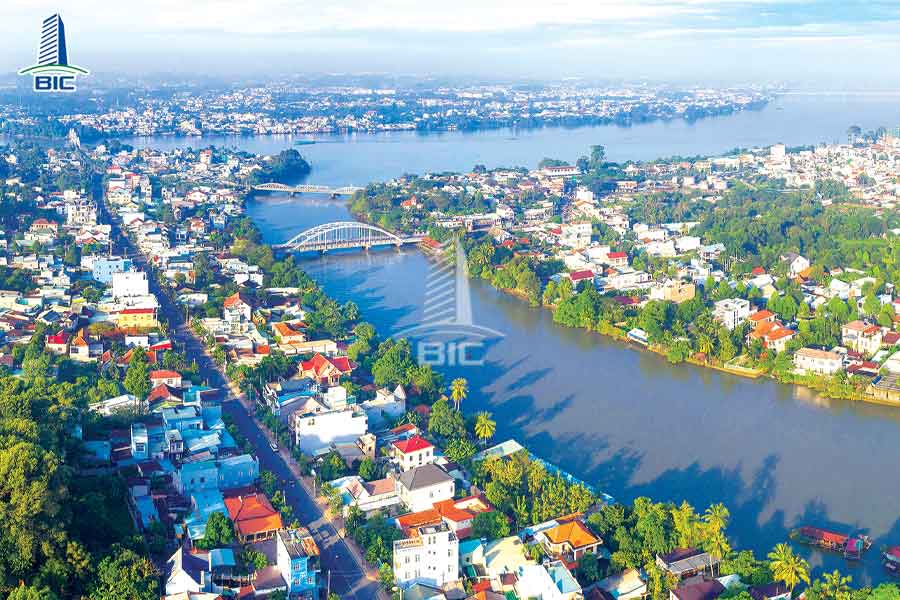
Dong Nai enjoys a favorable geographical location being close to Ho Chi Minh City, the largest economic center in the country. Its modern transportation system, including highways, national roads, railways, and seaports like Dong Nai Port, Phu My Port, and especially the ongoing construction of Long Thanh International Airport, facilitate convenient transportation of goods and commuting for workers.
The interconnected transportation network with major national arteries such as National Highway 1A, National Highway 51, and the North-South Railway further enhances connectivity and transportation capabilities, making industrial parks in Dong Nai more attractive to investors. When Long Thanh Airport officially becomes operational, it promises to be a lever for the superior socio-economic development of Dong Nai, becoming one of the national and international goods transportation hubs.
Moreover, Dong Nai also boasts a comprehensive infrastructure system with synchronized electricity, water, and telecommunications networks that have been invested and developed to ensure stable and sufficient supply for the production activities of enterprises in industrial parks.
Thanks to these factors, Dong Nai not only attracts many domestic investors but also serves as an attractive destination for foreign enterprises. The development of industrial parks in Dong Nai has significantly contributed to boosting the local economy and creating numerous job opportunities for residents. Although the industrial park market in Dong Nai is not new, it never ceases to be 'hot', always being the top choice for both domestic and foreign investors and businesses.
Therefore, Dong Nai is the answer to the question 'Which province has the most industrial parks in Viet Nam currently?'
The development of industrial parks has created immense opportunities for Vietnam, especially for Dong Nai, the province currently hosting the most industrial parks in Vietnam. However, there are still many prospects and challenges lying ahead for the future.
Economic Growth Driver: Industrial parks serve not only as production sites but also as powerful drivers of economic growth at both the local and national levels.
Attracting Investment Capital: Developing industrial parks attracts significant investment capital from both domestic and foreign sources, facilitating investment and economic development.
Spatial Development Transformation: Industrial park development serves as a lever for promoting industrialization, modernization, and opportunities for sectoral and regional linkages, as well as expanding international cooperation.
Enhanced Industrial Production: Industrial park development helps increase the value of exports and the competitiveness of Vietnam's economy in the international market, especially for provinces with the most industrial parks in Vietnam.
Job Creation and Labor Productivity Enhancement: Industrial parks create job opportunities while improving the quality and productivity of the labor force.
Environmental Protection and Green Industry Development: Industrial park development is accompanied by strengthening environmental protection efforts, aiming for sustainable green industrial development.
Expanding International Relations: Developing industrial parks creates opportunities to expand diplomatic, economic, trade, and investment relations with partners both domestically and internationally.
Alongside the potential, the development of industrial parks also faces many challenges, including:
Lack of Stability and Consistency in Policies: Regulations, institutions, and policies related to economic and industrial zones lack stability, consistency, and uniformity.
Ineffective Development Planning: The quality and effectiveness of economic and industrial zone development planning fail to meet practical requirements and need improvement.
Slow Development Pace: Innovative approaches are needed to accelerate the development of economic and industrial zones to meet market demand.
Need for Improved Investment Efficiency: The efficiency of investment in economic and industrial zones needs improvement, especially in terms of depth and performance.
Limitations in Cooperation and Linkages: Cooperation and linkages between economic and industrial zones are still limited and need to be expanded and strengthened.
Overcoming these challenges will require concerted efforts and close cooperation from the government, businesses, and the community to ensure the sustainable and comprehensive development of economic and industrial zones, contributing to the prosperity of the nation.
Industrial parks play an undeniable role in the economic development of a country, serving as centers for production, export, and logistics, contributing to economic growth and enhancing the country's position in the international market.
Furthermore, investing in emerging and potential industries will open up new opportunities for the sustainable development of industrial parks. If you are interested in investing in industrial parks or seeking design and construction services for factories, feel free to contact BIC. Hopefully, this article has been helpful for you and can help answer the question of "Which province has the most industrial parks in Viet Nam?"