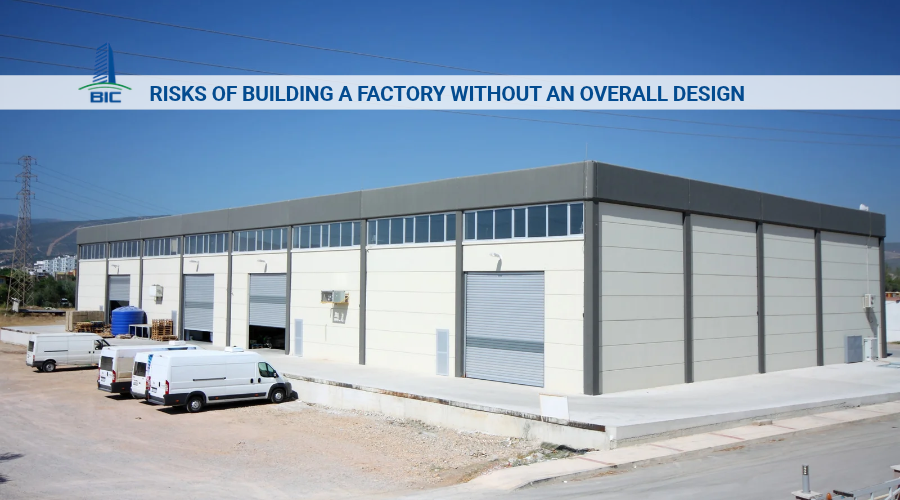
In industrial projects, factory design is a critical step that determines investment efficiency and the long-term operational capability of a facility. A well-planned factory design not only ensures production functionality but also helps optimize construction costs, control construction progress, and meet all technical standards. Conversely, a design that lacks careful planning or does not align with the production line can lead to additional costs, difficulties in expansion, and a direct impact on the efficiency of factory operations.
Therefore, selecting an experienced factory design consultant who understands the specific characteristics of industrial facilities is a key factor for investors. A professional construction design company does not only provide technical drawings but also proposes comprehensive solutions to optimize production layouts, structural systems, and technical infrastructure from the early stages of the project.
With extensive experience in construction design and factory construction, BIC provides factory design services aimed at maximizing real investment efficiency. From analyzing production requirements and developing layout concepts to completing technical documentation, BIC helps investors establish a solid foundation for their factory projects and ensures that construction is implemented in the right direction from the design stage.
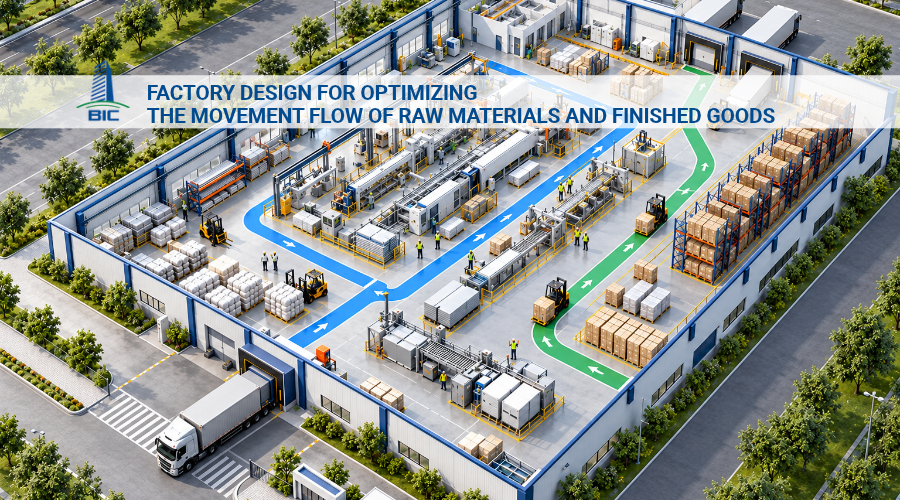
Factory design is not only related to architectural appearance but also directly influences how production is organized within the facility. A well-arranged layout optimizes the flow of raw materials, products, and personnel, thereby improving operational efficiency. When factory design is developed based on the characteristics of the production line, the facility can operate stably, reduce wasted space, and minimize bottlenecks during production.
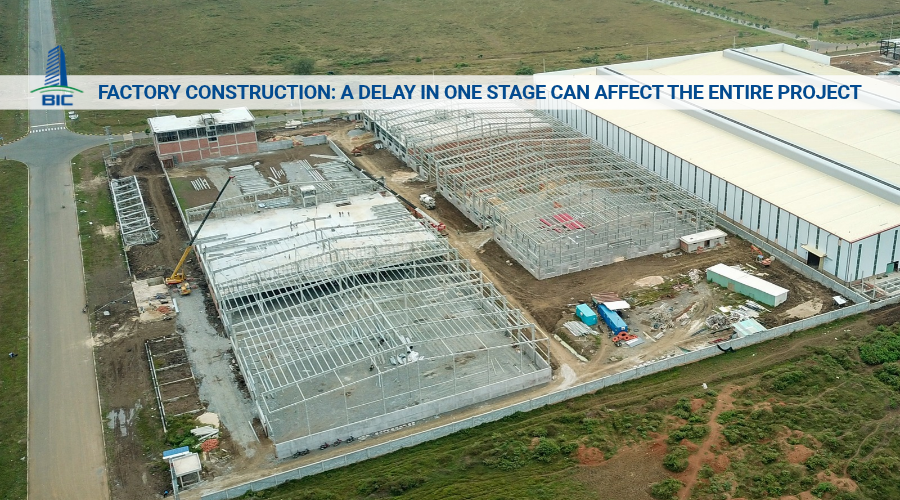
Factory construction costs depend greatly on the initial design concept. A well-planned design helps optimize structural spans, select appropriate materials, and reduce unnecessary construction volumes. Conversely, poorly calculated designs may require adjustments during construction, resulting in additional costs and project delays. Therefore, investing properly in factory design from the beginning enables investors to control budgets more effectively.
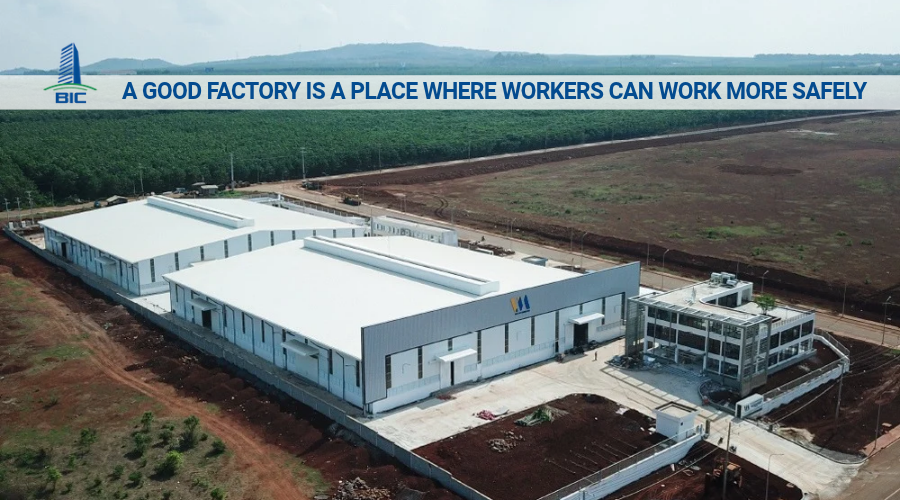
Construction design plays an important role in predicting and minimizing technical risks of a project. Through structural calculations, technical system planning, and compliance with safety standards, the design solution ensures that the factory meets requirements for load-bearing capacity, fire protection, and long-term operation. When design is carried out systematically, many risks can be identified and resolved during the project preparation stage.
A professional design consultant not only provides technical documentation but also advises on comprehensive project solutions. Practical experience in construction design and factory construction allows the design team to clearly understand the relationship between drawings and on-site construction. As a result, factory design solutions become more feasible, reduce unexpected issues during implementation, and ensure the project achieves the expected investment efficiency.
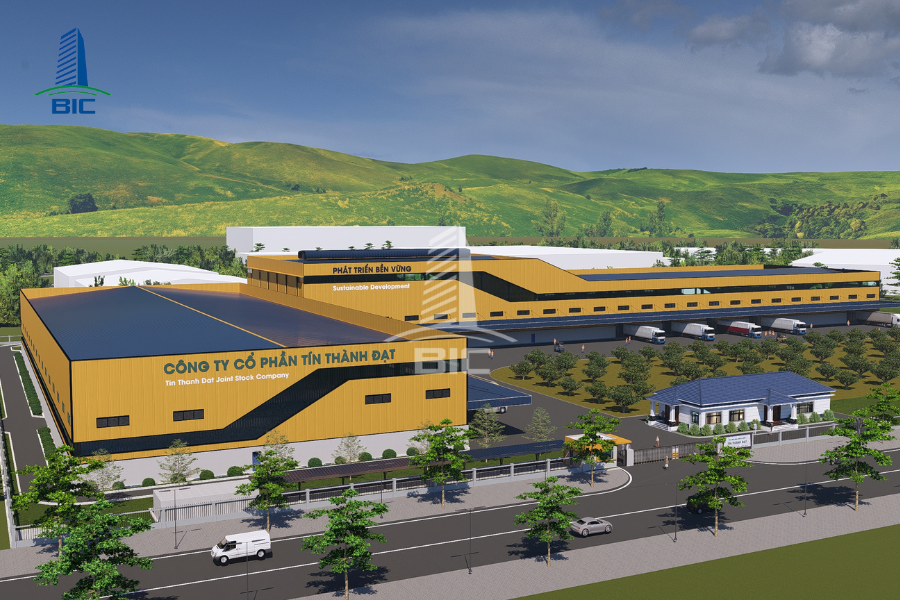
BIC approaches factory design services with a focus on investment efficiency and the real operational needs of businesses. Each design solution is developed based on production characteristics, investment scale, and the long-term development plan of the investor. Rather than focusing solely on technical drawings, BIC emphasizes comprehensive construction design solutions that optimize layouts, structural systems, and technical infrastructure, ensuring efficient and sustainable facility operations.
With experience in industrial construction design, BIC understands the specific technical requirements of manufacturing facilities. The design process is always carried out in compliance with technical standards, construction regulations, and the operational requirements of each industry. Practical experience enables BIC to develop factory design solutions that are highly feasible, minimize design conflicts, and effectively support the factory construction stage.
BIC has participated in designing various types of factories serving different manufacturing sectors, such as light industrial factories, mechanical workshops, food processing plants, and large-scale production facilities. Each type of factory has its own requirements regarding structural systems, technical infrastructure, and production line layouts. Experience accumulated from multiple projects enables BIC to understand the characteristics of each industry and propose design solutions suitable for different production models.
BIC’s factory design services extend beyond technical documentation to include technical support throughout the factory construction process. BIC provides complete design services covering architecture, structural systems, and MEP engineering, while also coordinating with investors and construction contractors to ensure the design solutions are implemented according to the initial concept. This integrated approach ensures consistency between construction design and on-site execution, contributing to improved project quality and investment efficiency.
BIC has a team of engineers and architects specialized in factory and industrial facility design. The design team not only has a solid technical background but also understands the operational characteristics of manufacturing facilities. As a result, the construction design solutions proposed by BIC closely align with the real needs of investors and remain feasible during the factory construction stage.
One of BIC’s key advantages is its practical experience in factory construction projects. Understanding the construction process allows the design team to propose solutions that suit actual site conditions. As a result, factory design solutions are highly practical, reduce technical conflicts, and minimize issues during construction.
Factory design must comply with numerous technical standards related to structure, safety, fire protection, and technical systems. BIC has experience applying construction codes and industrial standards in many projects, ensuring that design documentation meets both legal and technical requirements. This helps the approval, permitting, and construction process proceed more smoothly.
BIC focuses on developing factory design solutions that help optimize investment costs for project owners. By selecting appropriate structural systems, optimizing layouts, and coordinating technical systems effectively, the design solutions reduce unnecessary construction volumes and help maintain better control over project budgets. This approach allows investors to achieve high economic efficiency while still ensuring quality and durability.
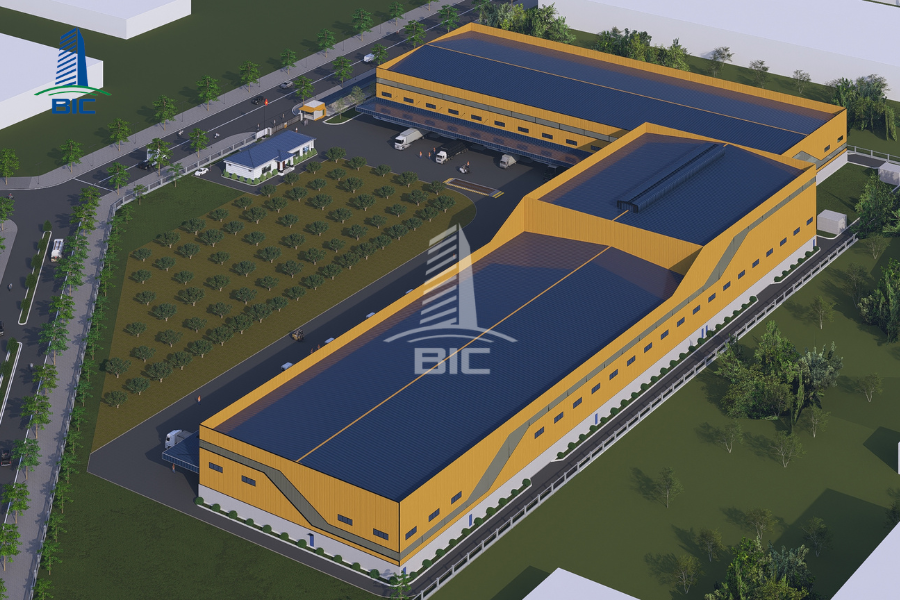
The factory design process at BIC begins with a site survey and an analysis of the investor’s production requirements. Engineers evaluate factors such as land area, geological conditions, technical infrastructure, and the project’s development orientation. At the same time, BIC works directly with investors to understand the production line, capacity requirements, and operational criteria. These inputs form the foundation for developing an appropriate construction design solution.
After completing the survey, BIC develops the overall factory layout design. The layout is organized based on optimizing the movement flow of materials, products, and personnel during production. Efficient space organization improves operational efficiency and maximizes land utilization. The factory design concept also considers future expansion to ensure long-term flexibility for the project.
In the next stage, BIC develops detailed designs for architecture, structure, and MEP engineering systems. Architectural design focuses on functional efficiency and spatial organization within the factory. Structural design ensures load-bearing capacity and stability of the facility. MEP systems—including electrical, water supply and drainage, ventilation, and fire protection—are integrated into the construction design to ensure safe and efficient operation.
Once all technical solutions are finalized, BIC prepares a complete set of construction design documents in accordance with regulations. The documentation includes detailed drawings, technical specifications, and references to applicable standards. The factory design documents are standardized to support the processes of project appraisal, construction permitting, and construction implementation.
BIC continues to accompany investors during the factory construction stage by providing technical support and addressing issues arising on site. The design team works closely with construction contractors to ensure the project is implemented according to the approved design documentation. Continuous coordination between design and construction helps ensure project progress, quality, and investment efficiency.
Architectural design documents are a key part of the factory design package, illustrating how space and functions are organized within the facility. The documentation includes the master plan, functional layouts, building elevations, and sections. Architectural design is developed based on real production needs, ensuring efficient operational flow, optimal space utilization, and convenient manufacturing activities.
Structural design documentation focuses on the calculation and arrangement of the building’s load-bearing system. The scope includes foundation design, columns, beams, steel frames, or reinforced concrete structures depending on the type of factory. Structural calculations are conducted according to technical standards to ensure load-bearing capacity, structural stability, and long-term durability.
MEP systems include technical components such as electrical systems, water supply and drainage, ventilation, and other operational support systems. MEP design documentation is developed in coordination with architectural and structural designs to ensure feasibility during construction. Properly designed technical systems help factories operate safely, efficiently, and meet production requirements.
Fire protection is a mandatory requirement for industrial factory buildings. Fire protection design documentation includes fire zoning plans, fire alarm systems, firefighting systems, and evacuation solutions. BIC develops fire protection designs in compliance with technical regulations and current legal requirements to ensure the facility meets approval standards and maintains operational safety.
In addition to building components, design documentation also includes technical infrastructure and internal transportation systems within the project site. This includes internal roads, parking areas, stormwater drainage systems, water supply systems, and auxiliary facilities. Integrated infrastructure design ensures efficient logistics operations, goods transportation, and overall factory functionality.

BIC focuses on developing factory design solutions based on the characteristics of production lines and real operational needs. Layouts are carefully studied to ensure smooth movement of materials, products, and personnel. An optimized production layout reduces internal transportation time, improves operational efficiency, and maximizes the use of factory space.
Through experience in construction design and factory construction, BIC proposes structural and material solutions suitable for each project’s investment scale. Accurate calculation of structural spans, appropriate structural systems, and coordinated technical infrastructure help reduce unnecessary construction work. As a result, investors can control construction costs from the design stage.
A detailed and well-coordinated factory design documentation set helps the construction process proceed more smoothly. BIC emphasizes coordination between architecture, structure, and MEP systems to reduce technical conflicts on site. Thorough preparation in the design stage minimizes changes during construction and prevents unexpected costs.
BIC always considers the long-term development orientation of businesses when designing factories. Design solutions are developed with flexibility, allowing expansion of building areas or addition of production lines when needed. Planning for future expansion helps investors avoid major renovations and ensures long-term operational efficiency.
BIC’s factory designs comply with construction codes and technical standards related to structural systems, technical infrastructure, and fire protection. Construction design documentation is standardized to meet regulatory approval requirements. Ensuring compliance with technical and legal standards helps investors reduce risks during project implementation and factory operation.
One reason many investors choose BIC is its design capability combined with real-world construction experience in industrial projects. BIC’s engineers focus not only on factory design solutions on drawings but also understand actual site conditions. This combination ensures design solutions are highly practical, reduce technical conflicts, and facilitate smooth factory construction.
BIC approaches factory design from the perspective of investment efficiency. Each design solution is evaluated based on production requirements, construction costs, and long-term operational performance. This approach allows investors to obtain facilities that not only meet technical standards but also optimize investment and operational costs throughout the project lifecycle.
BIC provides construction design services with continuous support throughout the project implementation process. From developing the initial factory design concept to the completion of construction, BIC maintains close coordination with investors and contractors. This support ensures that design solutions are implemented correctly and that any on-site issues are addressed promptly.
BIC aims to ensure design quality and project timelines in accordance with commitments made to investors. Factory design documentation is prepared comprehensively, clearly, and in compliance with technical standards, facilitating efficient construction. Professional workflows and schedule commitments make BIC a reliable partner in construction design and factory construction projects.
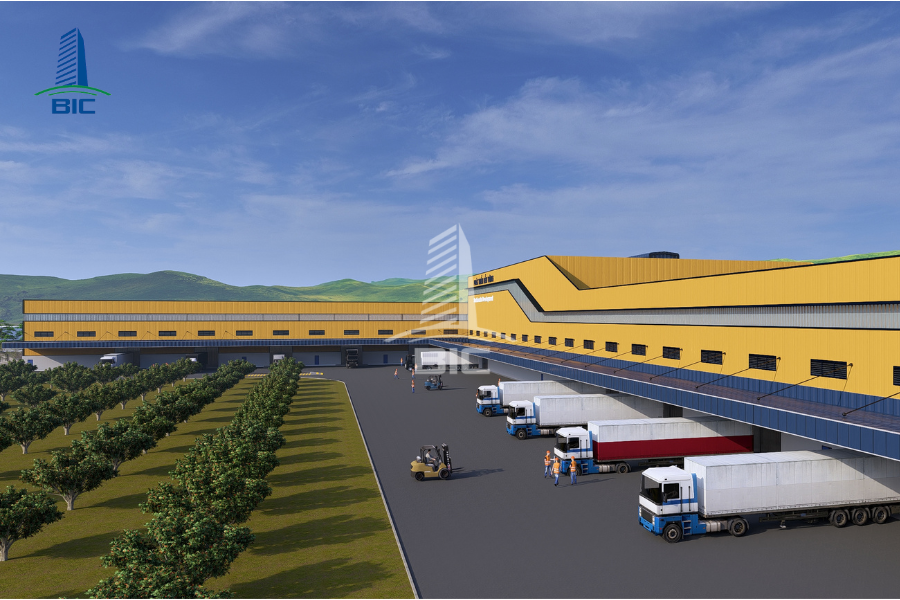
The project preparation stage is an important time for investors to determine development direction. Contacting a factory design consultant early helps assess land potential, project scale, and anticipated production needs. BIC can assist in analyzing technical factors and proposing suitable construction design solutions before project implementation.
When a business plans to build a new factory, preparing design documentation is essential. Factory design must be developed based on production needs, investment scale, and relevant technical standards. BIC helps investors develop a comprehensive design solution from the master layout to technical systems, forming a strong foundation for the construction process.
Not only new construction projects but also renovation or expansion of existing factories require a clear design plan. BIC can evaluate current building conditions, determine expansion feasibility, and propose appropriate construction design solutions. A well-prepared design plan ensures renovation work is safe and minimizes disruption to production activities.
In many cases, investors need to adjust factory construction plans to match budgets or investment strategies. BIC can support the optimization of factory design through appropriate structural selection, efficient layout organization, and coordinated technical systems. This approach helps reduce construction costs while maintaining functionality and quality.
Factory design is a fundamental step that determines investment efficiency, operational capability, and the long-term value of a facility. A suitable construction design solution helps optimize production layouts, control factory construction costs, and ensure compliance with necessary technical standards. Conversely, poorly planned designs can lead to additional costs, difficulties in expansion, and reduced operational efficiency.