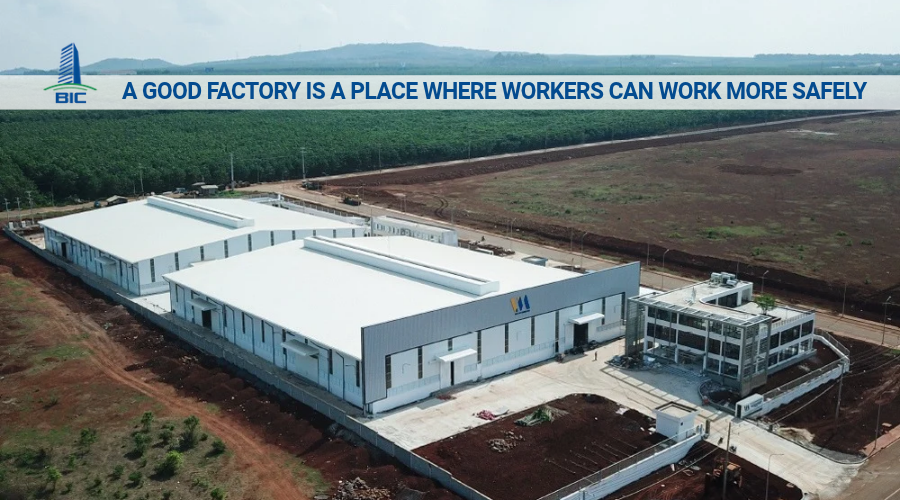
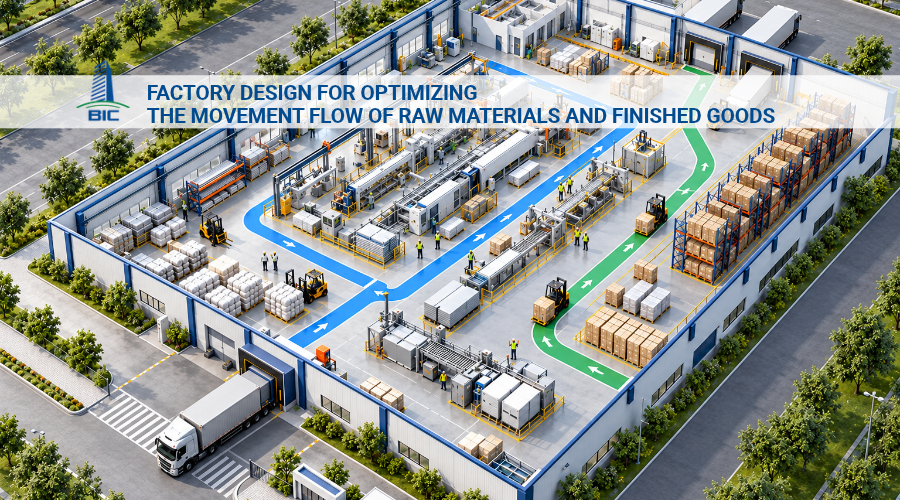
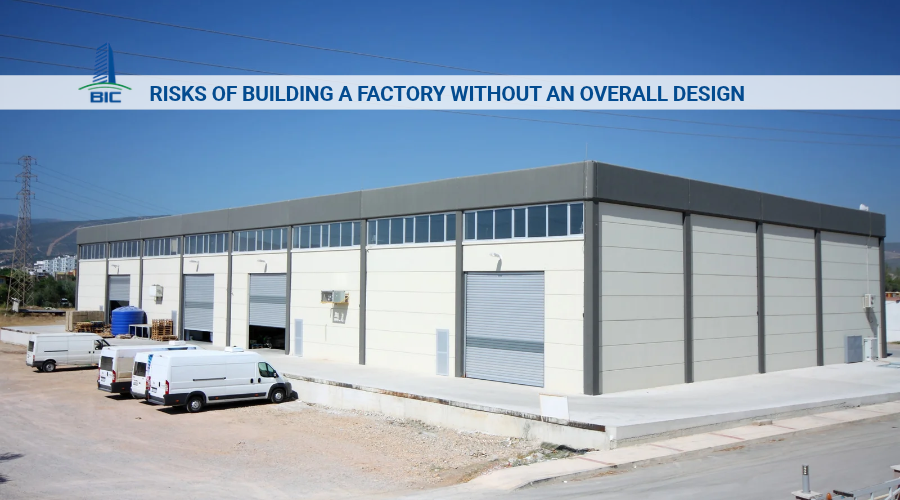
To meet the demands of production and business, constructing factories is increasingly emphasized. The location of the factory is a critical factor that determines the operational efficiency of a business. So, how do you choose a suitable site for constructing your factory that ensures sustainable development and optimizes costs? Let’s explore the 7 criteria you need to consider when choosing a construction site for your factory with BIC.
When choosing a construction site for your factory, the geography and climate of the area are crucial factors that cannot be overlooked. Geography directly affects transportation access, the convenience of moving raw materials and products, and connectivity with other service facilities.
Climate is an important factor because it affects the design and materials used in the construction of the factory.
- Humid Climate: If the factory is built in a humid climate, designing an effective drainage system is vital to avoid flooding and structural damage. Construction materials must be carefully selected for waterproofing and preventing mold growth. Ventilation and drying systems must be installed to protect equipment and goods.
- Hot and Dry Climate: In hot and dry climates, choosing insulating materials is necessary to maintain a stable working environment and reduce cooling costs. Using efficient cooling systems, such as air conditioning or water cooling systems, is also essential to ensure comfortable working conditions for employees and protect production equipment.
- Climate Change: Consider extreme weather phenomena such as storms, floods, or droughts, and design the factory to withstand these conditions. For example, in areas prone to severe storms, reinforcing structures to withstand strong winds is crucial.
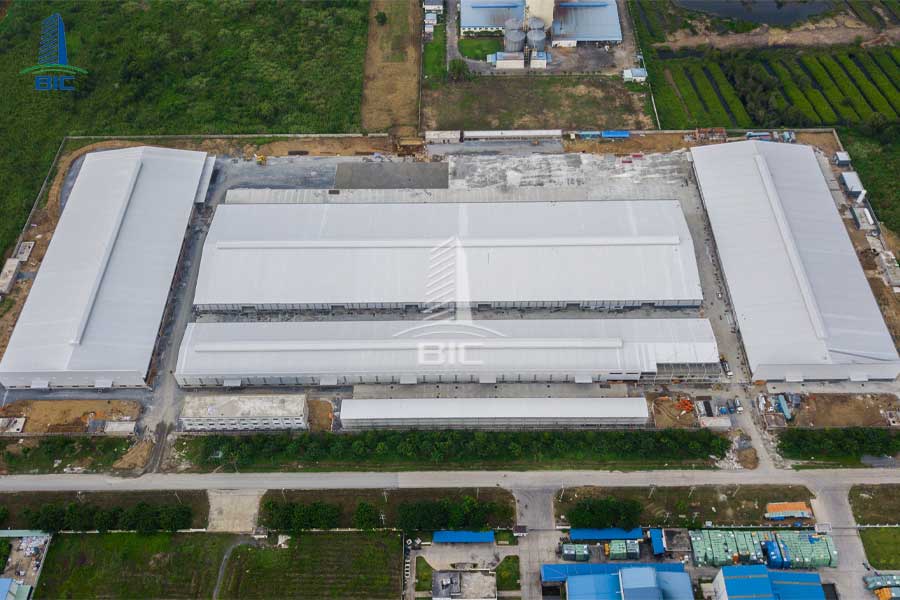
- Transportation Access: The construction site for the factory should be close to main transportation routes, such as highways, national roads, seaports, and airports. This helps reduce transportation costs for raw materials and finished products and saves time in distributing goods. A convenient location supports fast and efficient goods receipt and delivery.
- Auxiliary Transportation Infrastructure: Internal roads within the industrial park and auxiliary transportation systems are also very important. Ensure that internal roads are capable of bearing heavy loads and are wide enough for trucks and transport vehicles to move easily. This not only minimizes congestion but also prevents damage to vehicles and goods.
- Electricity: A stable and reliable power supply is indispensable for factory operations. Ensure that the construction site has a sufficient power system to meet the needs of equipment and machinery. Additionally, having a plan for backup power sources, such as backup generators, is crucial to avoid disruptions in production.
- Water: A stable and clean water supply is necessary for many production processes and the operation of the factory. Check the water supply capacity of the area and the necessary wastewater treatment systems. Ensure that you have enough water to meet production needs without facing water shortages.
- Telecommunications: Telecommunication connections, including phone, internet, and data networks, are essential for managing and operating the factory. Choose a location with reliable and high-speed telecommunications services to improve communication and information management efficiency.
- Wastewater Treatment: The wastewater treatment system must meet environmental and legal standards. Check the area’s capacity to handle and treat wastewater from the factory to ensure compliance with environmental protection regulations and avoid legal issues.

- Land Purchase or Lease Costs: Land prices are an important factor affecting the total investment cost of the project. Choosing a construction site for the factory with reasonable land prices will help reduce initial costs and improve the financial efficiency of the project. Compare land prices in different areas to find options that fit your budget.
- Land Price Stability: Assess the volatility of land prices in the intended investment area. Areas with stable land prices will help you predict long-term costs and avoid unexpected surprises. Research market trends and infrastructure development plans in the area to anticipate land price fluctuations.
- Tax Incentives and Investment Support: Many construction sites or industrial zones offer tax incentives or investment support for new businesses. Learn about tax incentives such as reduced corporate income tax, property tax exemptions, or other financial support available in the area. These incentives can help reduce operational costs and enhance competitiveness.
- Local Taxes and Additional Costs: Consider other local taxes such as property taxes, environmental taxes, and public service fees. These taxes can impact operational costs and factory profitability. Evaluating these costs will give you a comprehensive view of the project’s long-term expenses.
- Legal Tax Requirements: Understand the legal tax regulations and financial obligations related to the area where you plan to invest. Being aware of these regulations will help you comply with the law and avoid potential legal issues.

- Zoning Plans: Before deciding to build your factory, check the land use zoning plans for the area. Ensure that the construction site is in a zone designated for factory construction and is not restricted by other zoning plans such as residential areas, parks, or conservation zones. Choosing a site that aligns with zoning plans helps avoid legal issues and time delays in obtaining construction permits.
- Future Development Projects: Research upcoming infrastructure or industrial park development projects. These projects may affect factory operations or create additional development opportunities. Choosing a location in a promising development area helps you leverage new opportunities and enhance property value.
- Building Permits: To construct a factory, you need to obtain building permits from relevant authorities. The permit application process may vary depending on the area and type of construction. Ensure you complete all necessary legal procedures and obtain valid permits before starting construction.
- Environmental Regulations: Review environmental protection regulations and ensure your factory meets environmental standards. This may include waste management requirements, pollution control measures, and other environmental protections. Compliance helps avoid legal issues and contributes to environmental sustainability and positive company image.
- Construction and Safety Regulations: Check regulations related to construction and occupational safety, including structural standards, fire safety systems, and other safety requirements. Ensure your factory adheres to these standards to protect employee health and safety and avoid penalties or compliance issues.

- Schools and Hospitals: Choosing a factory site near educational and healthcare facilities not only benefits the employees’ quality of life but also helps attract quality labor. These facilities provide essential support and peace of mind for employees and their families, enhancing job satisfaction and productivity.
- Residential Areas and Daily Services: The factory site should be close to residential areas to facilitate employee commutes. Additionally, amenities such as supermarkets, banks, post offices, and recreational areas are important. These conveniences improve employees’ quality of life and make the work environment more attractive.
- Proximity to a Skilled Workforce: Choosing a site near areas with a plentiful and skilled labor pool helps in recruiting and retaining staff. This is particularly important for industries requiring a large number of employees. Access to local labor reduces recruitment and training costs and improves operational stability.
- Education and Skill Levels: Consider the educational background and skill levels of the local workforce. If the area has a well-trained and experienced labor force in manufacturing, it will be easier to hire high-quality employees and reduce initial training costs.
- Nearby Businesses and Strategic Partners: A factory site near other businesses in the same industry or strategic partners creates competitive advantages. This proximity fosters collaboration, resource sharing, and business opportunities. A dynamic and supportive business environment enhances sustainable development.
- Local Government Support: Areas with proactive local government support for businesses provide favorable conditions for factory operations. This support may include incentives, tax reductions, or business development programs.

- Current Area Size: When selecting a factory site, assess whether the current land area is sufficient to meet your company’s production needs. A spacious site allows for the comfortable arrangement of production and storage areas, as well as space for ancillary activities such as parking and employee rest areas.
- Future Expansion Capability: For businesses planning future expansion, choosing a site with expansion potential is crucial. Ensure that surrounding areas have enough vacant land for future purchases or leases. This helps save costs and effort when expanding the factory without relocating.
- Crime Rate and Security Levels: Before choosing a construction site, check the crime rate and security levels of the area. Areas with low crime rates and high safety ratings will protect company assets and ensure employee safety. Review information from local authorities or security reports for an overview of security conditions.
- Security Systems: Consider implementing security measures such as surveillance cameras, security guards, and alarm systems to protect the factory from theft and vandalism. Ensure the surrounding area is well-lit at night and has additional protective measures such as security fences.
Choosing the right location for constructing a factory requires thorough and comprehensive consideration, from natural conditions and infrastructure to legal factors and operational costs. An ideal location not only meets space, transportation, and utility requirements but also aligns with the long-term development strategy of the business. Selecting an optimal construction site will enhance your company’s competitiveness, optimize costs, and achieve sustainable growth in the market.