After a period of operation, many factories no longer fully meet requirements in terms of functionality, safety, and production efficiency. Changes in manufacturing technology, technical standards, and the need to expand capacity have led investors to consider upgrading and renovating existing factories instead of constructing new ones. This decision directly affects investment costs, project timelines, and the ability to maintain continuous production.
Factory renovation is not merely about repairing deteriorated components. It is a comprehensive process that involves assessing the overall condition of the existing facility and applying appropriate factory design and construction design solutions aligned with investment objectives. When executed following a proper process, renovation allows investors to leverage existing structures, control costs, and comply with updated technical standards in industrial construction.
In the following content, BIC outlines the essential steps to help investors implement factory renovation projects effectively, minimize risks, and optimize long-term asset value.
After years of operation, many factories show signs of deterioration in structural elements, roofing, flooring, and technical systems. In addition to natural wear and tear, changes in production processes often render existing layouts and spaces functionally inefficient. These limitations directly affect operational performance, workplace safety, and long-term asset utilization, prompting investors to consider factory renovation solutions.
When enterprises expand their scale or invest in new production lines, existing factories often fail to meet requirements for floor area, load capacity, or spatial arrangement. Factory renovation enables layout adjustments, structural reinforcement, and technical system upgrades to accommodate new production demands. This approach allows businesses to increase capacity within a shorter timeframe without waiting for new factory construction.
Constructing a new factory requires significant capital investment and long implementation timelines, increasing the risk of production disruption and cash flow pressure. In many cases, factory renovation delivers higher economic efficiency by utilizing existing structures and infrastructure. Shorter construction periods allow factories to resume operations sooner and help investors avoid unplanned cost overruns.
Regulations related to safety, fire protection, environmental compliance, and construction standards are continuously updated. Many older factories no longer meet these requirements, creating challenges during inspections and ongoing operations. Renovating factories through a structured construction design approach enables investors to comply with legal regulations, enhance safety levels, and ensure stable long-term production.

Factory renovation is the process of assessing the condition of an existing facility and applying construction design solutions to adjust functionality, upgrade structural systems, and improve technical infrastructure to meet new production requirements. From an investment perspective, renovation is not merely repair work but a strategic decision to optimize assets, extend building life cycles, enhance operational efficiency, and control capital expenditure. Factory design plays a central role in defining intervention scope and selecting technical solutions aligned with investment goals.
Factory renovation focuses on reorganizing spaces, structures, and technical systems within the existing building footprint. Factory upgrading typically improves the quality of technical systems such as electrical, ventilation, fire protection, or working conditions without significant layout changes. Factory expansion involves adding new construction areas to increase usable space. Clearly distinguishing these approaches helps investors define the correct investment scope and avoid unnecessary costs or project delays.
Factory renovation is the optimal solution when the primary structure remains structurally sound, layouts are adjustable, and existing infrastructure can be reused. In such cases, renovation significantly reduces investment costs, shortens schedules, and minimizes production interruptions compared to new factory construction. Conversely, if a facility is severely deteriorated, fails to meet safety requirements, or cannot support new production technologies, new construction becomes the more appropriate option. Choosing the right approach at the right time is critical to long-term investment effectiveness.
Structural assessment is essential to evaluate the load-bearing capacity of existing factories before proposing renovation solutions. This includes reviewing foundations, columns, beams, steel or concrete frames, and structural connections. Identifying deterioration, cracking, or deformation helps determine whether existing structures can continue to be used or require reinforcement. Assessment results form the basis for selecting suitable renovation solutions and controlling investment costs.
Architectural and layout evaluations determine whether existing spaces align with new production requirements. Key considerations include production zones, storage areas, internal circulation, working height, and spatial reconfiguration potential. This assessment helps identify areas for renovation, demolition, or preservation, optimizing factory design solutions and improving space efficiency.
Electrical, water supply and drainage, ventilation, and fire protection systems typically degrade over time. Inspecting MEP and fire protection systems helps assess compliance with current standards and new production requirements. Non-compliant systems must be included in renovation or upgrade scopes to ensure operational safety and stability.
Comprehensive assessments allow early identification of technical risks such as foundation settlement, water leakage, structural overload, or system conflicts. Early risk identification enables investors to proactively address issues during the construction design phase, minimizing cost overruns and avoiding disruptions during renovation.
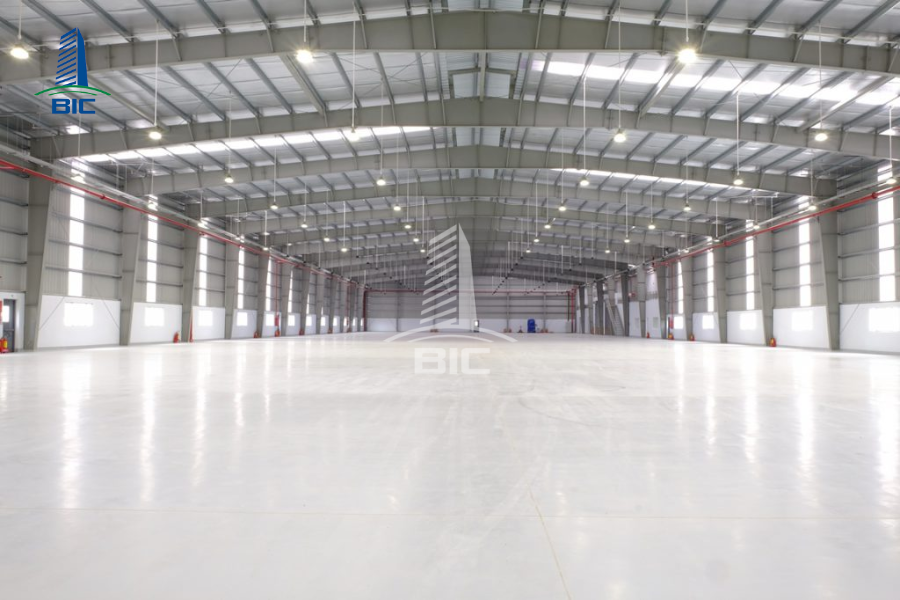
Clearly defining production needs and target capacity provides the foundation for effective factory renovation planning. Investors should clarify production types, technologies, spatial requirements, load capacities, and operational conditions. Accurate early-stage definitions allow factory design solutions to align closely with actual needs and prevent underinvestment or overinvestment.
Investment budget and completion timelines directly influence renovation strategies. Investors must set realistic financial and schedule parameters to balance renovation scope and investment efficiency. Clear constraints enable construction design teams to select appropriate technical solutions and develop feasible construction plans.
Not all factory components require intervention. Identifying which elements need renovation and which can remain unchanged maximizes the value of existing assets. This approach reduces construction volume, limits cost escalation, and shortens project timelines, while enabling accurate budgeting and effective project management.
Beyond current needs, investors should consider future expansion when defining renovation scopes. Allowing for additional space, load capacity, and technical infrastructure ensures factories can be upgraded or expanded as demand grows. This long-term perspective enhances sustainability throughout the asset life cycle.
Factory design transforms renovation objectives into concrete technical solutions. Design defines layout reorganization, structural reinforcement strategies, and system upgrades. A clear design allows investors to visualize the renovation process, control intervention scope, and reduce construction-phase risks.
Renovation design must be closely aligned with actual site conditions. Reusing sound structures, foundations, and infrastructure reduces demolition and new construction volumes. Context-sensitive design enables feasible technical solutions, cost savings, and shorter implementation timelines.
Effective factory renovation requires close coordination among architectural, structural, and MEP disciplines. Integrated design minimizes conflicts, ensures consistency in technical solutions, and enhances operational performance, safety, and cost efficiency.
Renovation designs must fully comply with structural safety, fire protection, and operational standards. Ensuring compliance during the design stage reduces construction and operational risks, facilitates inspections, and supports smooth commissioning.
Design review assesses feasibility by verifying alignment between proposed solutions and existing conditions, production requirements, and technical standards. Early identification of design issues enables timely adjustments and prevents construction-phase risks.
Cost estimates should be detailed by renovation category, including structure, architecture, MEP, and fire protection. Accurate quantity takeoffs support precise budgeting and effective cost control throughout project implementation.
Comparative analysis should consider not only initial investment costs but also schedules, production downtime, and long-term operational expenses. This comprehensive comparison supports informed investment decisions.
Factory renovation involves unpredictable technical risks due to existing conditions. Allocating contingency budgets enables proactive issue resolution without affecting project quality or timelines.

Investors must review land use rights, as-built drawings, existing permits, and approval documents. Proper documentation defines allowable renovation scope and mitigates legal risks during construction and operation.
Renovation often requires fire protection design revisions and environmental compliance reviews. Completing approvals and adjustments is mandatory for construction and commissioning.
Structural, scale, or functional changes may require construction permit adjustments. Early identification of permit requirements prevents unauthorized construction and project delays.
For operational factories, renovation must comply with labor safety, environmental, and production regulations. Proper zoning, safety measures, and responsibility assignments ensure smooth implementation and legal compliance.
Qualified design partners should demonstrate strong technical expertise, industrial facility experience, and the ability to propose solutions aligned with investment goals. Clear design processes and accurate site analysis capabilities are critical.
Renovation projects are more complex than new builds. Experienced partners can proactively identify risks, propose effective solutions, and limit unforeseen issues.
Design and construction partners must demonstrate experience in cost estimation, quantity control, and coordination with contractors. Effective management supports budget discipline and schedule adherence.
Continuous involvement from design through construction ensures solutions are implemented as approved and issues are resolved promptly. This approach improves quality and project outcomes.
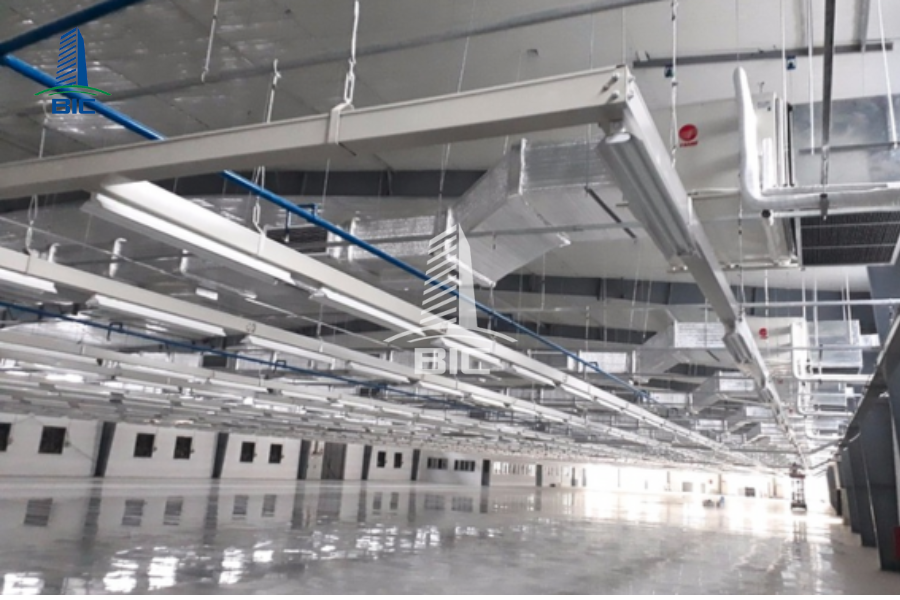
Incomplete assessments result in designs misaligned with actual conditions, leading to cost overruns and schedule delays.
Overly broad scopes inflate costs, while narrow scopes fail to meet production needs. Accurate scope definition is essential for investment efficiency.
Poor coordination among design disciplines creates construction conflicts and costly revisions. Integrated design minimizes risks.
Inexperienced contractors increase technical errors, delays, and costs. Investors should prioritize proven renovation expertise.
Factory renovation requires a systematic and structured approach, from site assessment and investment objective definition to factory design, cost estimation, legal preparation, and effective construction management. Each step directly impacts cost, schedule, and quality, making early-stage preparation critical. Selecting experienced design and construction partners enables risk control, minimizes cost escalation, and ensures projects are executed as planned. When implemented correctly, factory renovation not only meets current production needs but also enhances asset value, extends building life cycles, and delivers sustainable long-term investment returns.