Factory design is the initial step that determines investment efficiency and the operational capability of a manufacturing project. A well-suited design solution enables businesses to organize layouts scientifically, accurately calculate loads, and select technical solutions that meet both current needs and future expansion plans. From experience in implementing numerous industrial projects, BIC has found that incomplete or poorly coordinated designs are often the main causes of cost overruns and extended construction timelines.
Many investors focus most of their resources on the construction phase while underinvesting in the design stage. This approach leads to frequent adjustments during implementation, negatively affecting budgets and operational schedules. BIC adopts a holistic approach to factory design, closely integrating architecture, structural engineering, and technical systems to help investors control costs, ensure safety, and optimize the operational efficiency of the facility.
In the following sections, BIC will analyze the role of factory design and introduce solutions that help investors implement projects efficiently and sustainably.
Factory design plays a foundational role in shaping investment efficiency from the earliest stages. An appropriate design solution helps investors accurately determine construction scale, structural options, and the technical systems required for production activities. When these factors are thoroughly calculated, the factory can meet functional requirements, avoid overinvestment, and optimize costs right from the budgeting stage. Based on project implementation experience, BIC observes that projects with clear and well-prepared designs tend to achieve higher investment efficiency thanks to better control over costs and schedules.
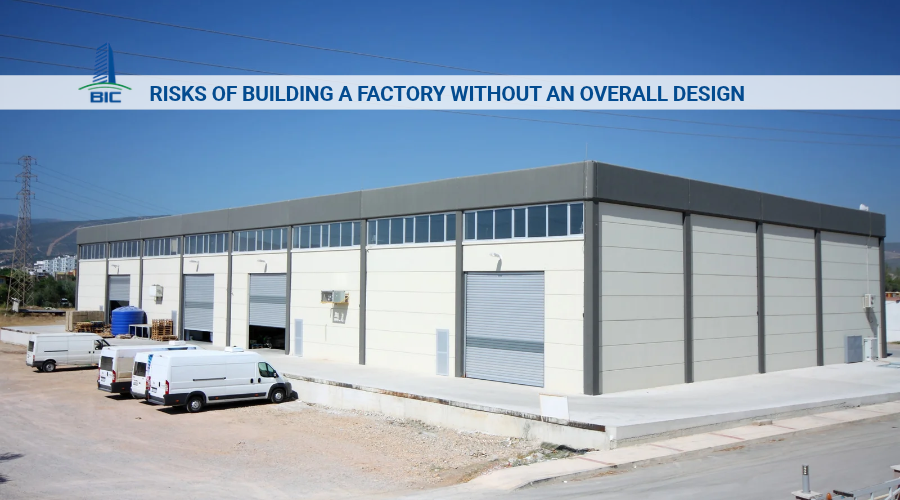
Without a comprehensive design, investors often encounter numerous risks during factory construction. Common issues include inefficient layout planning, conflicts between structural and MEP systems, floor loads that are incompatible with production lines, or failure to meet safety requirements. These shortcomings force design changes during construction, leading to cost overruns and extended completion times. Moreover, the lack of clear design direction from the outset makes future expansion or renovation more difficult.
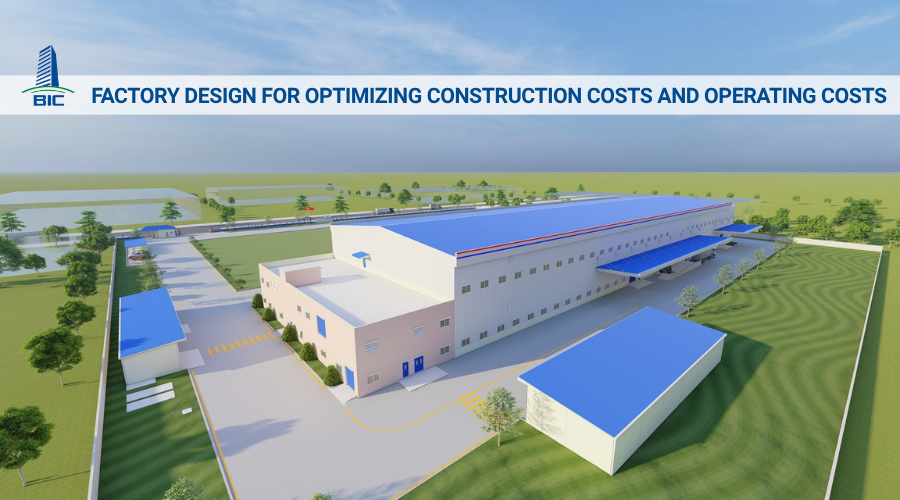
Factory design directly impacts both construction costs and long-term operating expenses. An optimized design allows for appropriate structural solutions, reduces unnecessary material quantities, and minimizes changes during construction. At the same time, a well-planned design optimizes lighting, ventilation, and circulation flows, thereby lowering energy consumption and operational costs once the factory is in operation. Projects advised by BIC using an integrated design approach typically maintain stable costs and achieve high operational efficiency over the long term.

Factory design is not merely the creation of technical drawings for construction purposes. It is a comprehensive process of analyzing production requirements, operational scale, and technical conditions to develop an overall solution for the facility. Design work includes defining functional uses, layout planning, structural selection, load calculations, and integration of necessary technical systems. When executed professionally, factory design enables investors to clearly visualize the implementation plan and minimize risks throughout the project lifecycle.
Factory design is directly linked to the construction process. The clearer and more coordinated the design documents, the smoother the construction and the fewer issues arise. Conversely, designs that lack detail or are not aligned with actual conditions often require adjustments during construction, increasing costs and extending schedules. Design serves as the guiding framework for the entire construction process, from material quantities and construction methods to progress planning and investment costs.
Construction design is a critical tool that helps investors control risks and costs from the outset. A complete design dossier allows for accurate quantity estimation, appropriate technical solutions, and contingency planning for potential issues. When risks are identified early during the design phase, investors can address them at a much lower cost than making changes after construction has begun. This is a key factor in ensuring investment efficiency and project stability.
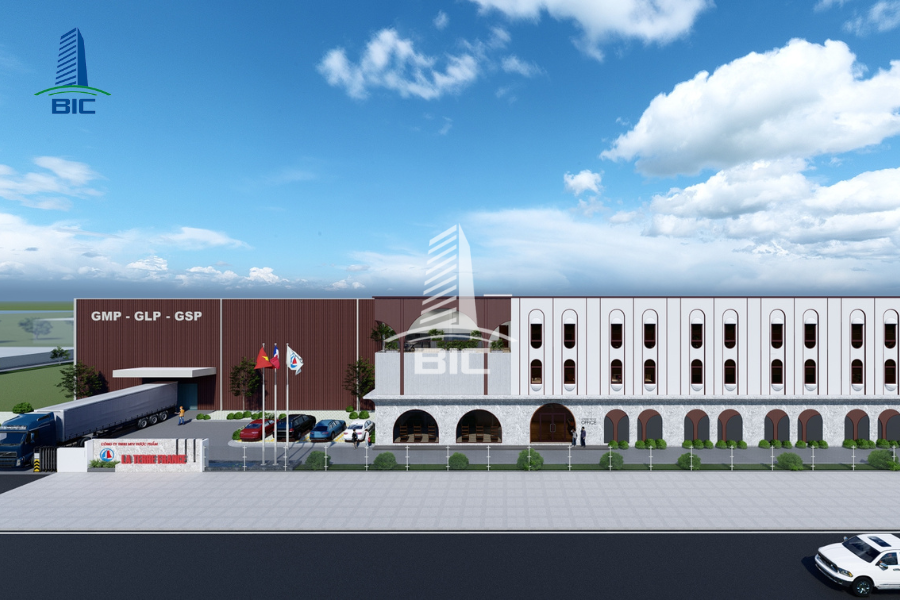
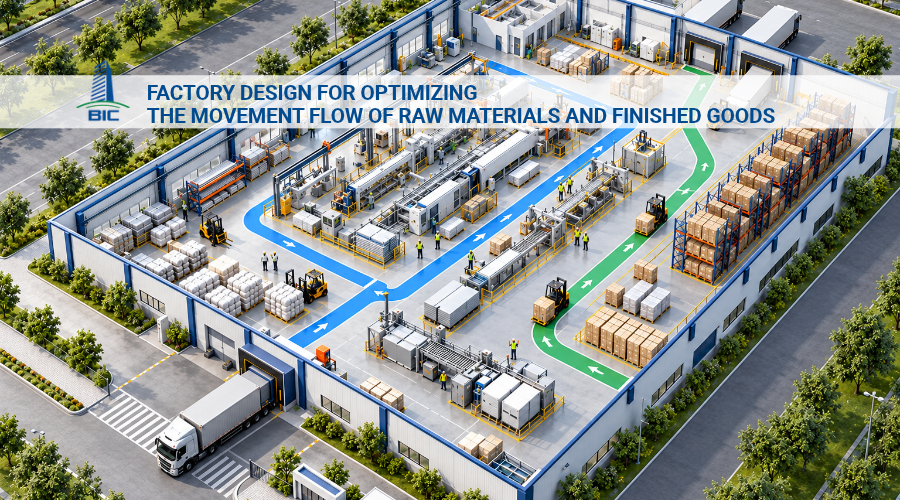
A standard factory design dossier enables a scientific production layout aligned with the company’s technology lines and operational processes. Logical arrangement of production areas, warehouses, internal traffic, and auxiliary zones reduces travel distances and minimizes conflicts between goods and personnel flows. This enhances labor productivity, reduces waiting times, and optimizes operational efficiency from the moment the factory becomes operational.
A complete and accurate factory design provides a solid basis for realistic cost estimation. When construction items are clearly defined in terms of quantities, materials, and technical solutions, investors can control costs from the preparation stage. Standardized design documents help limit missing quantities or design changes during construction, thereby reducing the risk of unexpected cost overruns.
Clear and well-coordinated design documents enable contractors to implement construction efficiently, reduce time spent resolving technical conflicts, and limit on-site adjustments. When drawings are properly coordinated across disciplines, construction schedules can be planned more accurately and face fewer disruptions. This helps investors shorten project timelines, bring the factory into operation sooner, and reduce additional costs caused by prolonged construction.
A standard design dossier ensures that calculations for structural strength, load-bearing capacity, and overall stability are carried out in compliance with regulations. In addition, fire prevention and firefighting systems are designed to suit the building’s function and applicable standards. Full compliance with safety requirements reduces operational risks, protects assets and personnel, and facilitates approval and commissioning processes.
A well-designed factory not only meets current production needs but also facilitates future expansion or renovation. Standardized design helps maintain consistent quality over time, reduces maintenance and repair costs, and extends the building’s service life. Moreover, factories with complete and compliant design documentation typically have higher asset value, especially in leasing or transfer scenarios.

Architectural design defines the overall spatial organization and functional use of the factory. It includes layouts for production areas, warehouses, offices, auxiliary spaces, and technical rooms. Architectural solutions must align with production lines and movement flows while meeting requirements for ventilation, lighting, and working conditions. A well-conceived architectural design optimizes usable space and enhances long-term operational efficiency.
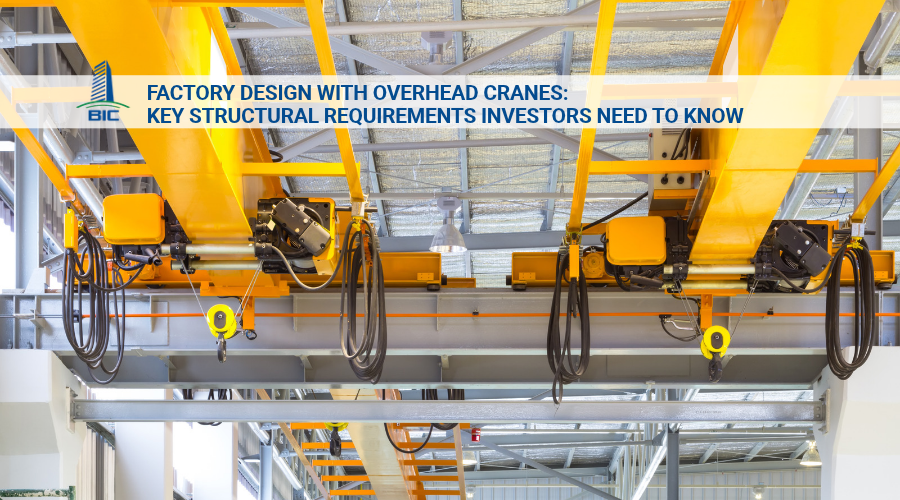
Structural design focuses on load-bearing capacity and overall stability. This component covers foundations, columns, beams, frames, and floors, designed to suit operational loads, machinery, and soil conditions. Accurate structural design ensures safety throughout the facility’s lifecycle and facilitates future expansion or renovation, while also serving as a basis for material quantity and cost control.
MEP design includes electrical systems, water supply and drainage, ventilation, and air conditioning. These systems ensure stable operation and meet production requirements. MEP design must be coordinated with architectural and structural elements to avoid conflicts during construction. Proper MEP planning helps save energy, reduce operating costs, and improve safety.
Fire protection design is a mandatory component of factory design dossiers. It includes fire detection, firefighting systems, emergency exits, and technical solutions to ensure the safety of people and assets. Fire protection design must comply with applicable regulations and be appropriate for the building’s function and scale, facilitating smooth appraisal and acceptance procedures.
This scope includes internal roads, parking areas, stormwater and wastewater drainage systems, and connections to external infrastructure. These elements directly affect accessibility, goods transportation, and logistics organization within the factory area. Proper infrastructure design ensures smooth traffic flow, minimizes flooding risks, and enhances overall project efficiency.

Factory design must be based on actual production line requirements and operational processes. Layouts should support efficient material, semi-finished, and finished product flows, minimizing unnecessary crossings and movement distances. Correct functional planning from the outset ensures efficient operation and avoids later modifications.
A standard factory design must fully comply with applicable technical standards and legal regulations, including structural safety, fire protection, occupational safety, environmental requirements, and infrastructure standards. Compliance ensures smooth approval, permitting, and acceptance processes while reducing legal risks during operation.
Factory design should balance initial investment costs with long-term operating expenses. Appropriate structural solutions, suitable materials, and efficient technical systems help reduce total investment while maintaining construction quality. Optimized design also contributes to energy savings, lower maintenance costs, and reduced operating expenses throughout the factory’s lifecycle.
Expandability is a key criterion for factory projects. Design should allow for reserved space, load capacity, and technical infrastructure to support increased production capacity or process changes in the future. Flexible design enables businesses to adapt growth plans without requiring complete reconstruction.
Standard factory design should prioritize environmental considerations and energy efficiency. Utilizing natural lighting, effective ventilation, and energy-saving solutions reduces environmental impact and improves working conditions. These measures also lower operating costs and enhance the project’s long-term sustainability value.
Factory design is the foundation that determines construction quality, investment efficiency, and long-term operational capability. When executed correctly from the beginning, design helps investors control construction costs, minimize variations, ensure technical safety, and facilitate future expansion. Conversely, poorly coordinated or production-misaligned designs often lead to significant risks during construction and operation.
Factory design solutions should be approached holistically, aligned with actual production needs and investment budgets. Close coordination among architectural, structural, and technical systems ensures timely project implementation, efficient operation, and stable long-term costs. This is a critical factor in helping businesses optimize resources and enhance competitiveness.
With extensive experience in industrial construction design, BIC focuses on delivering factory design solutions tailored to each production model, supporting investors in risk control and efficient project implementation. Choosing the right design consultant from the outset is a crucial step toward ensuring the success of any factory project.