Mechanical workshops are high-risk production environments due to the extensive use of high-capacity machinery, metal-processing equipment, and complex electrical systems. Factors such as dynamic loads, vibration, noise, fire and explosion hazards, and occupational accidents impose stringent safety requirements from the very first design stage. If workshop design is not developed on the basis of clear and well-defined safety standards, risks arising during operation can directly affect people, assets, and overall investment efficiency.
Designing a mechanical workshop goes beyond merely arranging the production layout; it also includes construction design solutions aimed at risk control, structural safety, electrical systems, fire prevention and firefighting, and proper working conditions for employees. An appropriate design solution enables stable operation, minimizes incidents, and ensures compliance with legal requirements in industrial construction.
In the article below, BIC analyzes the key safety standards in mechanical workshop design, providing investors with a comprehensive perspective to make effective and sustainable investment decisions.
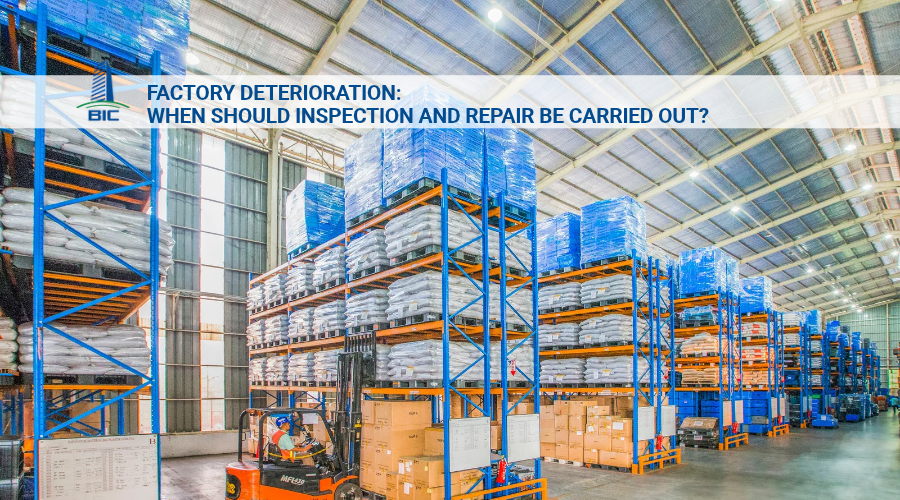
Mechanical workshops are high-intensity production environments that use a wide range of metal-processing machines, cutting, welding, and pressing equipment with large capacities. Production processes typically generate vibration, noise, metal dust, heat, and industrial oils and greases. These factors create harsh working conditions, requiring workshop design to effectively control space organization, ventilation, lighting, and layout planning to ensure worker safety and health.
Occupational accidents in mechanical workshops often involve collisions with machinery, entanglement in rotating equipment, falling materials, or slips and falls on floor surfaces. Poor machinery layout, insufficient safety distances, and unclear circulation routes significantly increase the likelihood of incidents. If these factors are not adequately considered in workshop design, accidents may occur frequently, resulting in major losses in manpower and operating costs.
Welding and cutting activities, high-capacity electrical systems, and the storage of flammable materials make mechanical workshops highly prone to fire and explosion risks. In addition, technical failures such as electrical overloads, short circuits, or equipment malfunctions can cause fires to spread rapidly within large workshop spaces. Construction designs that lack appropriate fire prevention and firefighting solutions will significantly increase damage levels in the event of an incident.
Compared with many other types of industrial facilities, mechanical workshops involve higher combined risks due to heavy loads, complex machinery, and harsh working environments. Therefore, safety standards in mechanical workshop design must be set at a higher level to control risks from the outset. Applying strict safety standards in construction design not only protects workers but also helps investors minimize incidents, maintain stable production, and improve long-term investment efficiency.
.png)
Workshop design is the first and most critical step in controlling safety risks in mechanical facilities. Through layout organization, functional zoning, machinery arrangement, and the selection of appropriate technical solutions, design helps eliminate or reduce risks from the early stages. When hazards are identified and addressed during design, the likelihood of incidents during construction and operation can be more effectively controlled.
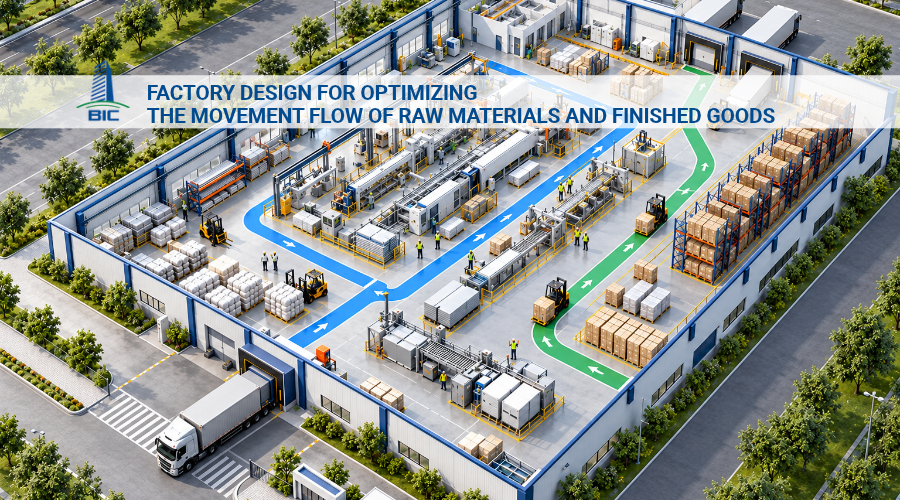
Occupational safety in mechanical workshops largely depends on spatial layout and circulation planning. A well-designed workshop ensures safe distances between machines, clear pathways for personnel and vehicles, and minimizes dangerous intersections within production areas. If these factors are overlooked, accident risks increase even when operational procedures are strictly controlled.
Construction design affects not only the building phase but also long-term operation and maintenance. Proper design solutions allow inspection, repair, and maintenance of technical systems to be carried out safely and conveniently. Conversely, poorly planned designs complicate maintenance work, increasing the risk of failures and long-term operating costs.
Workshop designs that fail to meet safety standards can lead to serious consequences such as occupational accidents, fires, equipment damage, and production disruptions. Beyond human and asset losses, investors may also face legal risks and high remediation costs. Therefore, compliance with safety standards from the design stage is a prerequisite for effective and sustainable operation.
Clear functional zoning is a fundamental requirement in mechanical workshop design to ensure safety and operational efficiency. Areas such as main production, auxiliary processing, raw material storage, finished goods warehouses, technical zones, and administrative offices must be reasonably arranged to minimize unnecessary overlap. Clear zoning helps control risks, reduce conflicts between activities, and facilitate effective production management.
Distances between machines, equipment, and production lines must comply with safety standards to prevent collisions, entanglement, and to provide safe working space for operators. Workshop design should fully consider operational, maintenance, and emergency clearance spaces around machinery. Adequate spacing not only enhances safety but also improves productivity and future expansion potential.
Circulation within mechanical workshops must be scientifically organized to avoid dangerous intersections between workers and transport vehicles. Construction design should clearly separate pedestrian routes, material transport paths, and forklift or mechanized equipment lanes. Clear circulation reduces accidents, enhances safety, and ensures continuous production flow.
Emergency exits and evacuation spaces are mandatory elements in mechanical workshop design under safety standards. Exits must be logically arranged, easily accessible, and unobstructed by machinery or materials. Evacuation spaces must be sufficient to allow workers to move quickly and safely during emergencies. Proper compliance with these requirements minimizes human and asset losses in critical situations.
.png)
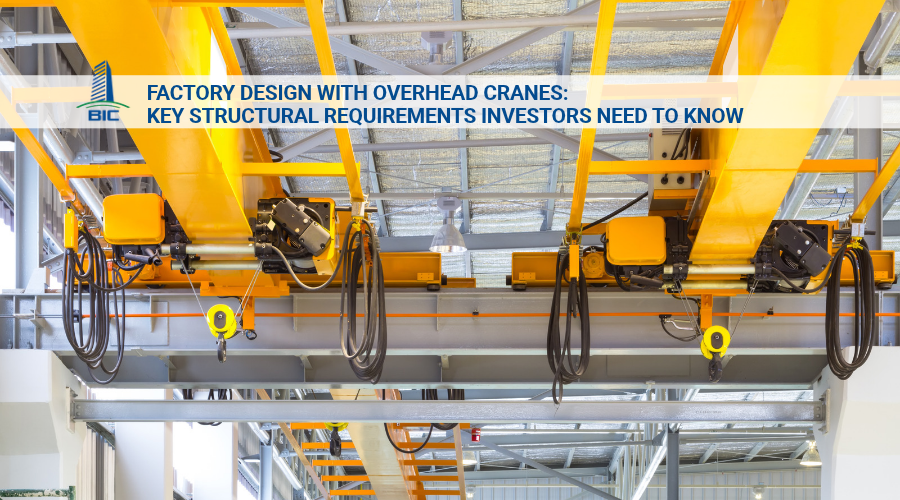
In mechanical workshops, floors and foundations are subjected to heavy loads from machinery, equipment, raw materials, and transport vehicles. Workshop design must accurately determine static and dynamic loads to select appropriate structural solutions. Inadequate load calculations may lead to settlement, cracking, deformation, and directly compromise operational safety and structural lifespan.
The structural frame and foundation are the primary load-bearing components of a mechanical workshop. Construction design must ensure that steel or reinforced concrete frames meet requirements for strength, stability, and durability throughout the building’s service life. Foundations must be designed according to geotechnical conditions and actual loads to prevent settlement or structural instability.
Mechanical equipment generates continuous vibration and dynamic loads during operation. Workshop design must account for these effects to limit vibration transmission to the structure and surrounding areas. Solutions such as isolated machine foundations, increased structural stiffness, and vibration-damping materials enhance safety and reduce structural damage risks.
In many cases, existing workshops require structural reinforcement to meet new safety standards or increased production capacity. Reinforcement may include enlarging structural sections, adding beams and columns, strengthening foundations, or improving load-bearing connections. Proper reinforcement design ensures safety, meets operational requirements, and extends the facility’s service life.
Mechanical workshop environments often contain metal dust, oils, humidity, and vibration, requiring specialized electrical system designs. Workshop design should select electrical equipment with appropriate protection ratings and locate panels and cable routes in safe positions away from production hazards. Proper electrical design reduces equipment damage risks and ensures stable operation.
Mechanical machinery operates with high power demand, requiring electrical designs that ensure stable and safe power supply. Equipment must be protected with automatic shut-off systems, circuit breakers, and overcurrent protection devices. Design should consider dedicated power supply solutions for different machine groups to limit cascading impacts during failures.
Short circuits and overloads are common risks if electrical systems are not designed to standard. Design must ensure proper load distribution, correct conductor sizing, and effective overload protection systems. Preventive measures at the design stage help reduce fire risks and production interruptions.
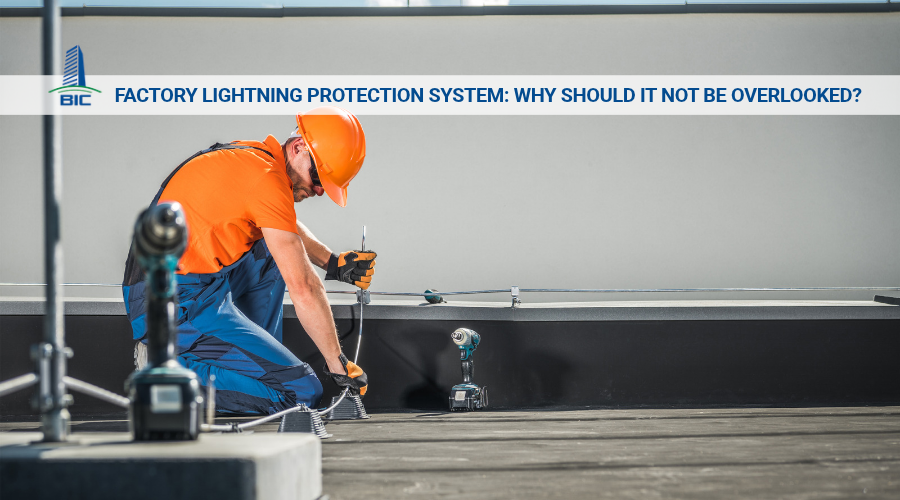
Grounding and lightning protection are mandatory to safeguard people and equipment in mechanical workshops. Workshop design must ensure compliant grounding systems, fully interconnected for all equipment and metal structures. Lightning protection systems should be designed according to building scale and site conditions to ensure safety during adverse weather.

Mechanical processing generates exhaust gases, welding fumes, metal dust, and oil vapors that directly affect worker health. Workshop design should incorporate suitable natural and mechanical ventilation systems, combined with local exhaust solutions at emission sources. Effective air treatment improves indoor air quality, reduces occupational health risks, and ensures a safe working environment.
Lighting in mechanical workshops must meet requirements for illuminance, uniform distribution, and glare control. Construction design should integrate natural and artificial lighting to ensure clear visibility for precision operations. Inadequate lighting increases accident risks and reduces productivity.
Noise and vibration are common characteristics of mechanical workshops due to high-capacity machinery. Design should include noise reduction and vibration isolation solutions such as rational machine placement, sound-absorbing materials, and appropriate technical measures. Effective control protects worker health and improves working conditions.
Microclimate factors include temperature, humidity, and air circulation. Workshop design must maintain these parameters within suitable ranges to reduce fatigue and accident risks. A well-controlled microclimate not only protects worker health but also enhances productivity and operational stability.
Mechanical workshops pose high fire risks due to welding and cutting operations, high-power electrical use, and storage of flammable materials such as oils, solvents, and industrial packaging. Workshop design must comprehensively assess fire hazards to determine risk levels and select appropriate fire prevention solutions. Accurate early assessment forms the basis for effective fire safety systems.
Fire alarm and firefighting systems must be designed in accordance with current technical standards and project scale. Construction design should include automatic fire alarm systems and appropriate firefighting systems such as water-based systems or suitable extinguishing agents. Systems must ensure early detection and prompt response in fire incidents.
Selecting fire-resistant construction materials and fire spread prevention solutions is critical in mechanical workshop design. Measures such as fire-rated structures, fire-resistant finishes, and fire compartmentation help minimize damage during incidents. Integrated fire protection design significantly enhances overall building safety.
Emergency exits must be logically arranged, clearly identifiable, and unobstructed at all times. Workshop design must ensure exit quantity, spacing, and width comply with regulations. Safe evacuation planning enables workers to leave hazardous areas quickly, minimizing risks to life and property.
.png)
Mechanical workshop design must comply with current Vietnamese construction codes and occupational safety regulations. These standards specify requirements for layout planning, structural safety, working conditions, emergency exits, and safety during construction and operation. Full compliance ensures technical adequacy, reduces accident risks, and provides a solid legal foundation for facility operation.
Mechanical workshops are classified as facilities with high fire and environmental impact risks, requiring strict compliance with fire safety and environmental protection regulations. Design must meet fire safety appraisal requirements, incorporate fire alarm and firefighting systems, and provide compliant evacuation routes. At the same time, solutions for exhaust gas, noise, and industrial waste treatment must be integrated to ensure environmental compliance.
In addition to mandatory codes, mechanical workshop design often applies Vietnamese standards and references relevant international standards depending on production type. These standards enhance safety levels, construction quality, and integration with global manufacturing requirements. Correct application from the design stage helps meet partner, client, and regulatory expectations.
Investors bear primary responsibility for ensuring mechanical workshops are designed, constructed, and operated in compliance with safety regulations. Responsibilities include selecting qualified design consultants, organizing design reviews, completing legal procedures, and supervising implementation. Proactive safety compliance reduces legal risks and protects assets, people, and long-term investment value.
Safety must be a core objective from the initial design stage of mechanical workshops. Designing in full compliance with standards enables proactive risk control and minimizes later modifications or corrective work. Early integration of safety requirements ensures compliance with production needs and legal regulations while optimizing investment costs.
Integrated coordination between architecture, structure, and MEP systems is critical for safety in mechanical workshops. Close collaboration minimizes technical conflicts and ensures consistent implementation of safety solutions. Integrated design also facilitates construction, operation, and maintenance throughout the building lifecycle.
Applying technical safety solutions such as machine guarding systems, vibration reduction, sound insulation, effective ventilation, and appropriate fire protection systems enhances safety levels. These solutions should be calculated and integrated during the design phase to ensure long-term effectiveness and reduce operational risks.
To ensure safety standards are properly implemented according to design documents, continuous involvement from design through construction is essential. Ongoing participation by the design consultant enables timely resolution of issues and correct application of safety solutions. This approach helps investors control construction quality and achieve sustainable investment outcomes.
Safety is the core factor determining operational efficiency and investment value in mechanical workshops. Full compliance with safety standards in workshop design allows risks to be controlled from the outset, protects workers, minimizes technical incidents, and ensures stable production. A well-structured and integrated design—covering architecture, structure, and technical systems—not only meets legal requirements but also optimizes long-term investment and operating costs.
For investors, allocating appropriate resources to mechanical workshop design is the foundation for developing a safe, durable facility capable of adapting to future production growth. When safety is properly prioritized in both design construction, investment efficiency is ensured comprehensively and sustainably.