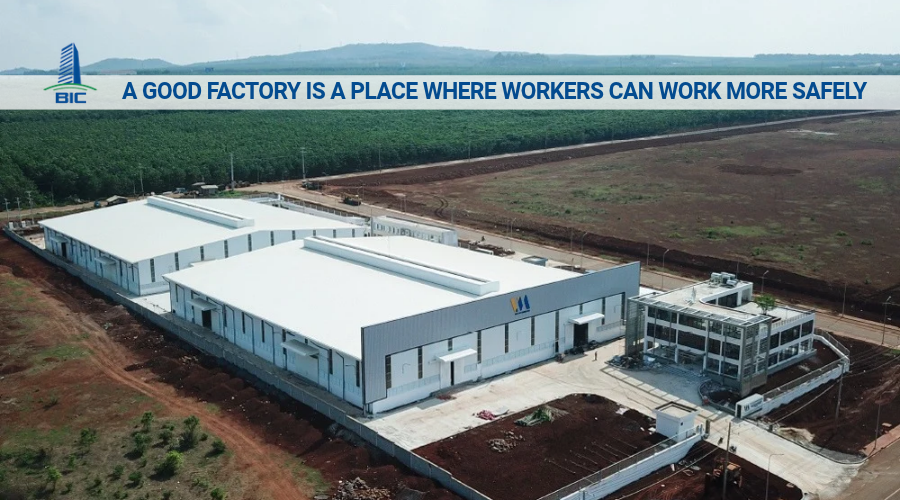
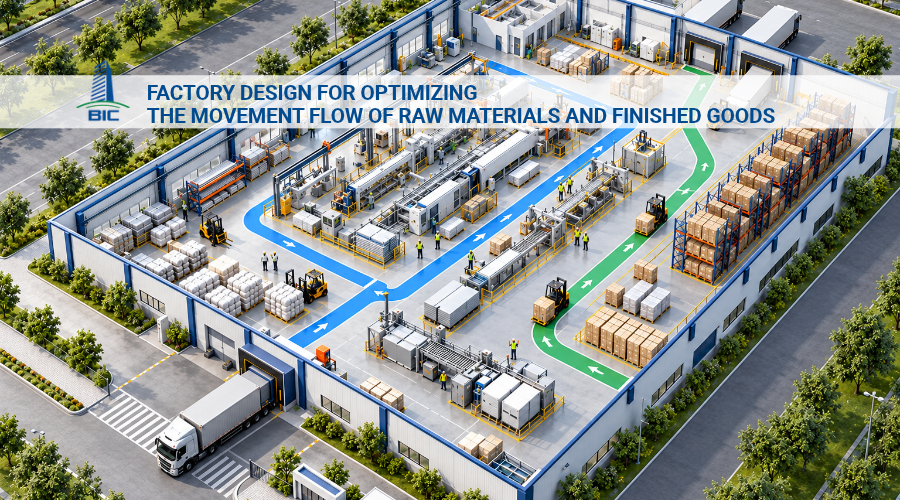
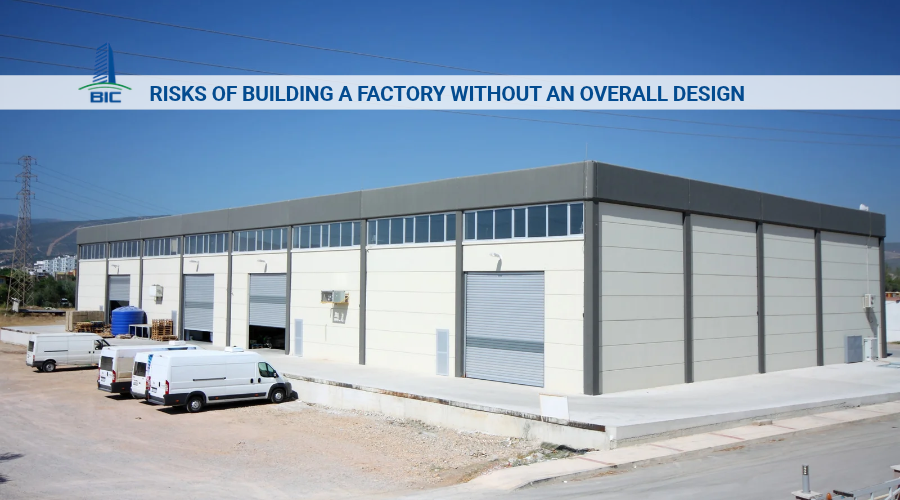
Building an industrial factory is a complex process that requires a standardized construction procedure to ensure quality, schedule compliance, and safety. For non-specialist investors, understanding each construction step and its related factors is essential to effectively supervise and guarantee the project’s success. BIC – a professional in factory design and construction provides comprehensive turnkey solutions to shorten timelines and optimize costs. A well-planned and properly executed construction process ensures structural stability, long-term durability, and compliance with all technical and safety requirements.
A standard factory construction process typically includes site preparation, surveying, structural works, and technical finishing. Careful planning and systematic implementation not only help maintain quality but also control costs and stay on schedule. In this article, BIC explains the importance of a standardized construction process, details each construction stage, highlights key considerations for investors, and shares why BIC is the trusted partner for your project.
A proper construction process is the foundation for ensuring the factory’s quality and durability during operation. According to construction experts, the execution sequence directly affects both the progress and quality of the project. When construction follows a logical, scientific order, all components are completed according to design, avoiding errors that could cause future damage. Conversely, skipping preparation steps or poor workmanship can lead to foundation settlement, structural instability, cost overruns, and project delays.
A standardized process also helps control cost and schedule effectively. When each stage has a clear plan and proper preparation, investors can easily monitor work volumes and prevent unexpected expenses. Choosing a reputable contractor with professional workflows ensures technical precision, on-time delivery, labor safety, and cost efficiency. In contrast, inexperienced contractors or unorganized processes often cause material waste and time loss. In summary, a well-structured construction process is the key to a successful and sustainable factory project.
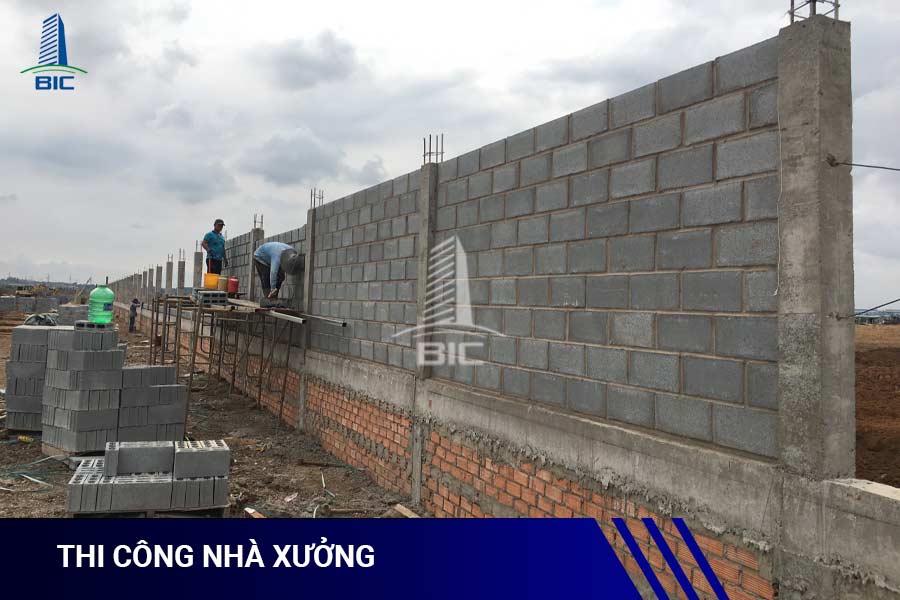
Before breaking ground, both the investor and the contractor must carefully prepare. This stage includes site survey (geotechnical and elevation), measurement, and evaluation of the construction site conditions. The contractor then proposes appropriate technical and infrastructure solutions and a preliminary cost estimate. The construction plan must comply with regulations on construction, environment, and fire safety.
After agreeing on the plan, the investor prepares schematic drawings (3D perspectives, layout plans) and detailed design documents. These include foundation and steel structure drawings, M&E plans, and construction cost estimates. The investor must also obtain the necessary construction and fire prevention permits, crucial steps for project approval and legal commencement.
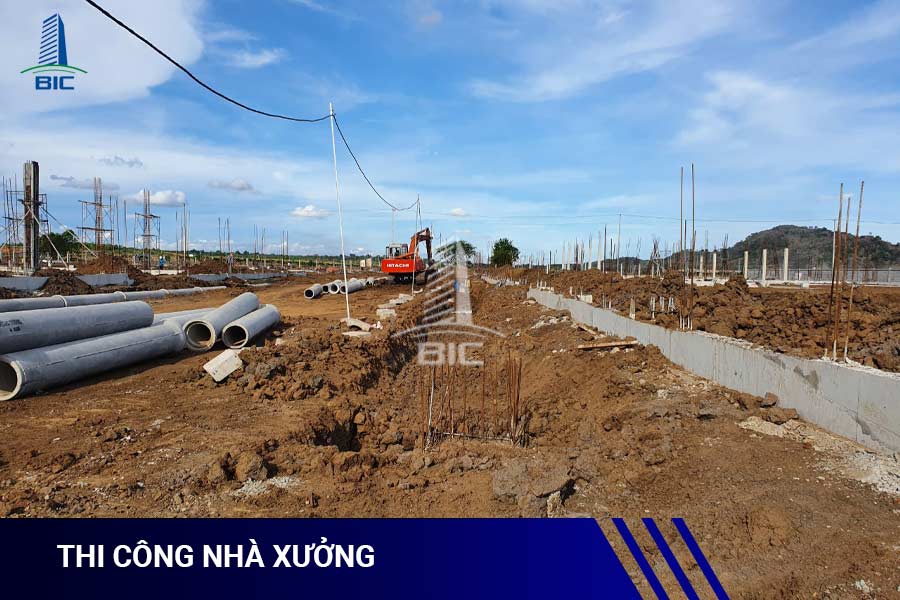
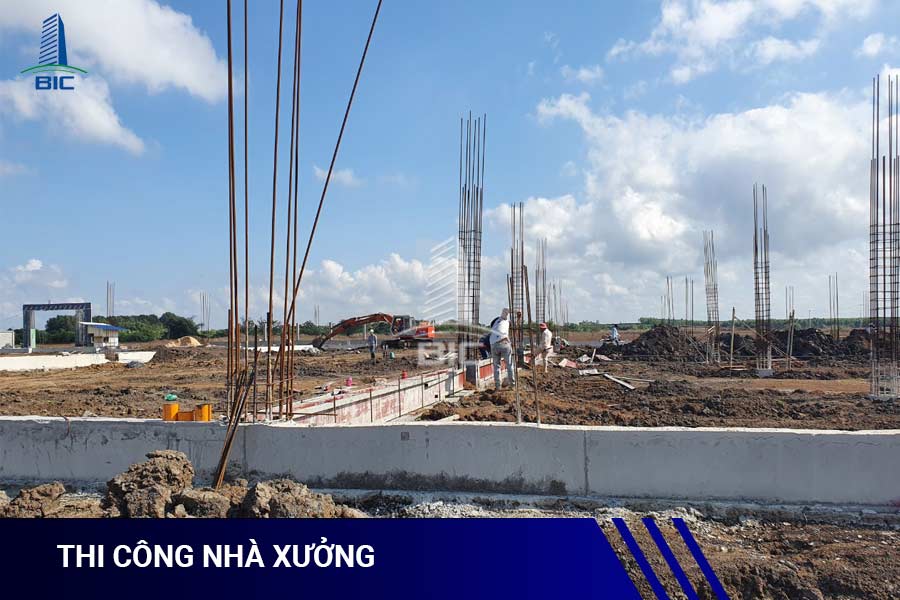
The foundation is the first and most important stage of factory construction, providing long-term stability. A strong foundation ensures structural balance and prevents settlement or cracking. Key steps include:
- Land leveling: Flattening the site to the required elevation and slope.
- Axis marking: Accurately positioning foundation and column axes per design coordinates.
- Excavation: Digging foundations or pits for piles, footings, or retaining walls depending on soil conditions.
- Foundation casting: Reinforcing and concreting the foundation and ground beams; piling if necessary.
- Soil compaction: Compacting the subgrade to the specified density.
- Base layer placement: Laying crushed stone or gravel to create a stable surface.
- Concrete floor pouring: Installing rebar mesh and pouring the final concrete floor slab.
Each step must follow strict technical supervision. For example, anchor bolts must be precisely positioned during concrete pouring to align with steel columns later.
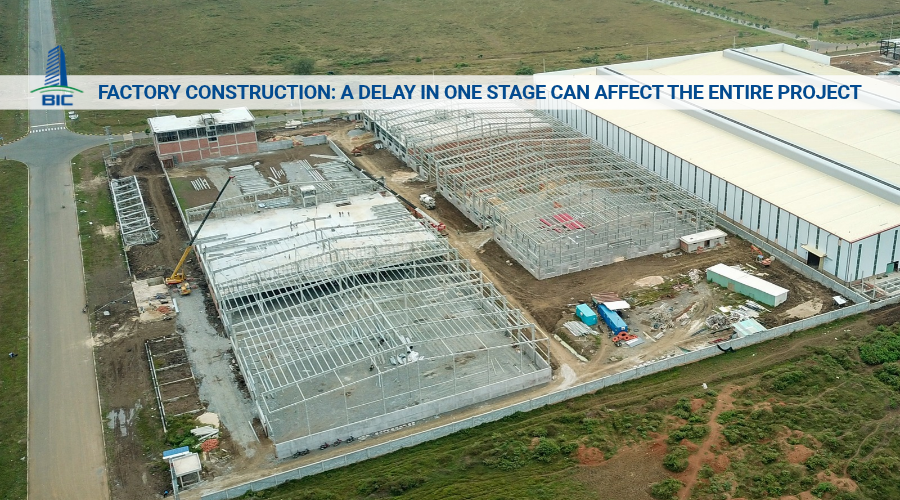
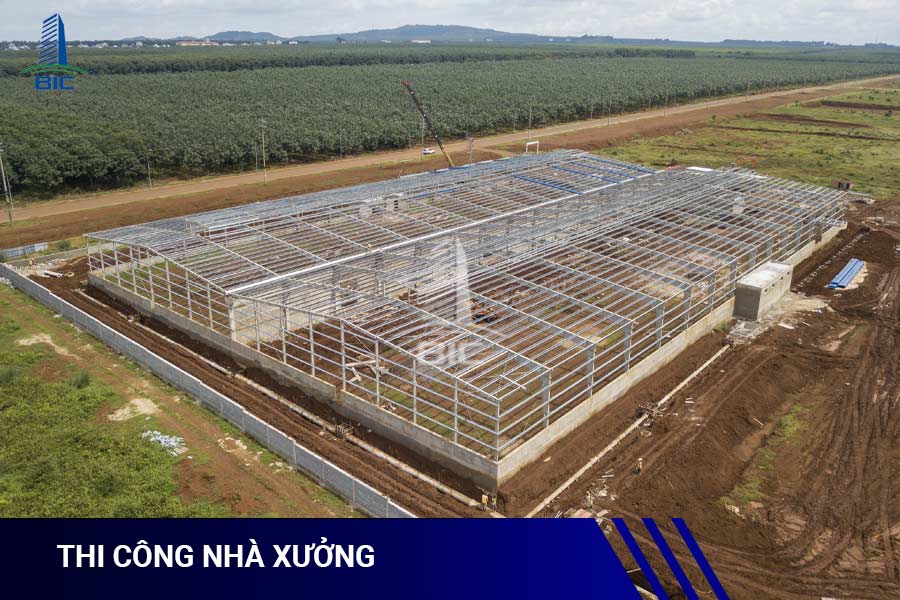
The steel frame is the “skeleton” of a pre-engineered factory, providing strength and stability. The erection process includes:
- Column and beam installation: Steel components are prefabricated at the workshop and transported to the site. The erection usually starts from the center to both ends, ensuring correct alignment and elevation.
- Purlin and bracing installation: Once columns are in place, roof purlins and bracing are installed to enhance rigidity. All steel components are adjusted precisely using laser levels and theodolites.
Continuous inspections must be performed to ensure all bolts and connections are correctly fitted. Since the steel structure is critical to the factory’s integrity, assembly must strictly follow the approved design and construction standards.
After completing the steel frame, the next step is building exterior walls, partitions, and roofing. Walls and partitions may use insulated metal panels, bricks, or fire-resistant materials depending on the factory’s function. All components must fit precisely with the steel structure.
For the roof, contractors install metal sheets with tight overlaps and straight alignment to prevent leaks. Thermal insulation materials such as fiberglass or insulated panels are often added to reduce heat and improve energy efficiency. Once the walls and roof are complete, all joints, doors, and openings are inspected for water tightness and safety.
External infrastructure supports logistics and daily operations. This includes drainage systems, internal roads, perimeter fencing, gates, and parking lots. Proper drainage and road design ensure smooth transportation of goods and prevent flooding. For instance, internal roads must be strong enough for container trucks to pass safely a key factor in maintaining efficient production flow.
After structural works, technical systems are installed, including electrical networks, water supply and drainage, wastewater treatment, fire protection, waste management, and communication systems. Each system must comply with approved designs and safety standards. Electrical wiring, transformers, and fire hydrants must meet national codes to ensure operational reliability once the factory goes live.
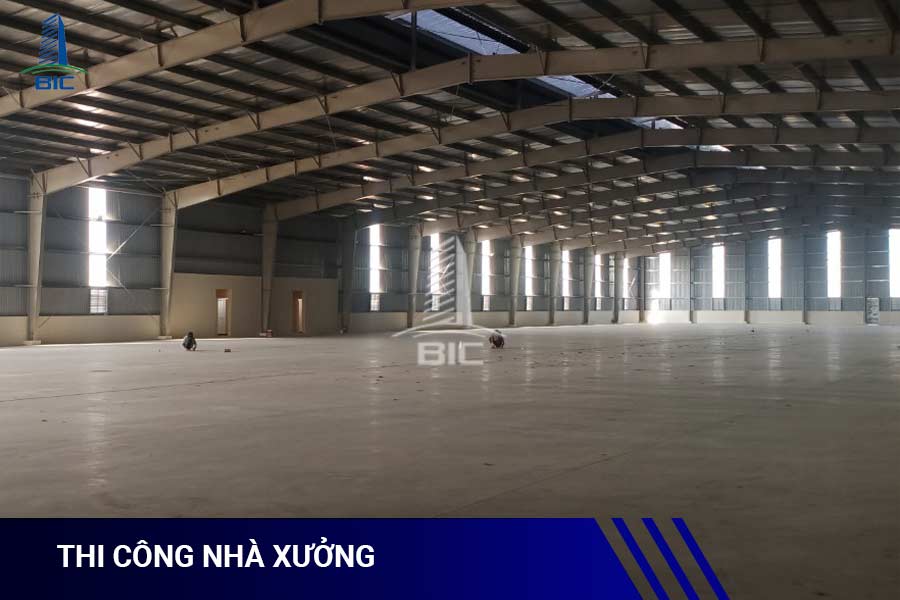
The contractor completes final finishing works, installs equipment and machinery according to the layout plan, and performs final inspections. Any technical errors are corrected before the factory is handed over.
The acceptance process involves comparing the completed structure with the original design and verifying that all contractual obligations are met. The factory is approved for operation only after passing all safety and quality inspections. From preparation to acceptance, every stage requires careful supervision to ensure quality and schedule compliance.
To ensure successful factory construction, investors should keep the following in mind:
- Prepare a detailed budget: Include materials, labor, and design costs. Survey market prices and allocate a contingency fund to avoid overspending.
- Obtain legal permits: All construction projects must have valid building permits and comply with industrial zoning regulations.
- Check soil and site conditions: Conduct geotechnical testing to design suitable foundations and prevent future settlement.
- Choose quality materials and skilled workers: Use reliable suppliers and experienced crews to guarantee durability and precision.
- Select a reputable contractor: A professional contractor ensures proper execution, on-time delivery, cost efficiency, and strict supervision.
BIC is a trusted contractor specializing in industrial factory design and construction, providing comprehensive turnkey solutions that save investors time and resources.
Reasons to choose BIC:
- Reputation: BIC is known for dedication and reliability, proven through numerous successful projects and satisfied clients.
- Professionalism: Our team of engineers, architects, and workers adhere to standardized workflows ensuring precision and safety.
- Cost efficiency: We offer transparent pricing and optimize material usage for high-quality, cost-effective results.
- Accountability: BIC supervises every stage carefully, takes full responsibility for design and schedule commitments, and promptly resolves any on-site issues.
With years of experience in factory design and construction, BIC is your reliable partner for realizing industrial projects with optimal cost and guaranteed quality. Contact BIC today for a detailed consultation and a complete construction quotation for your factory project.