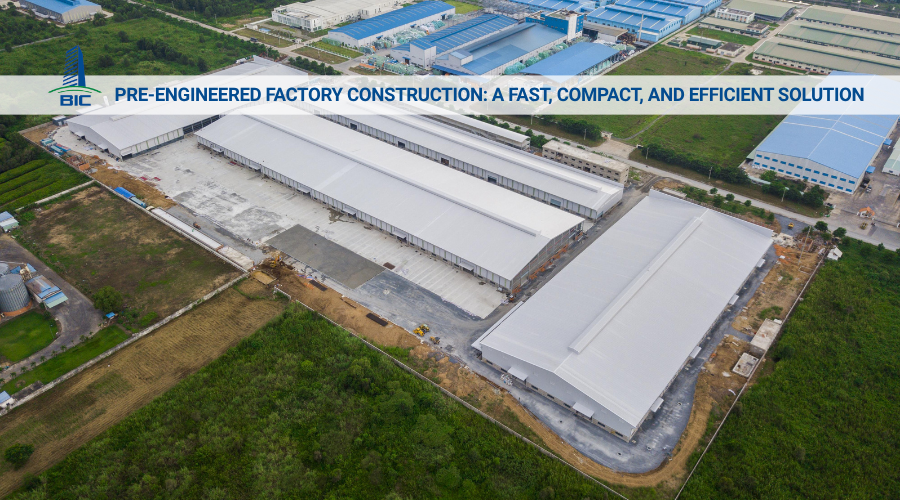
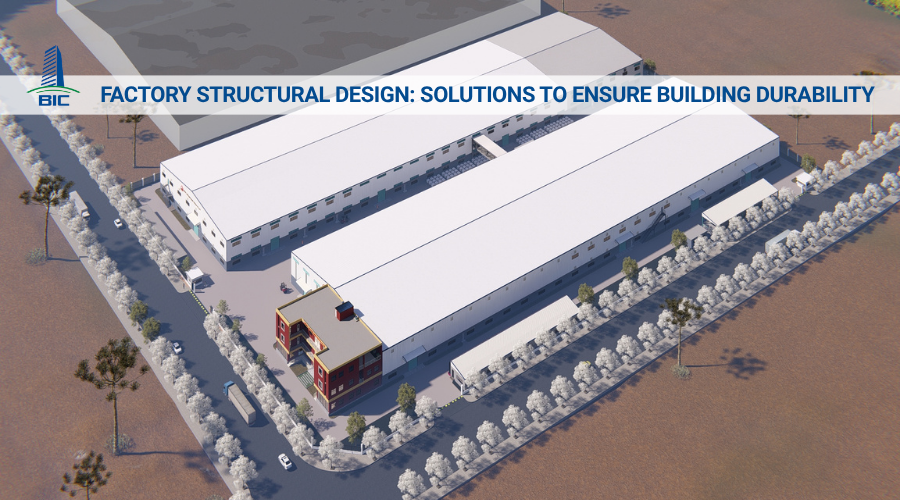
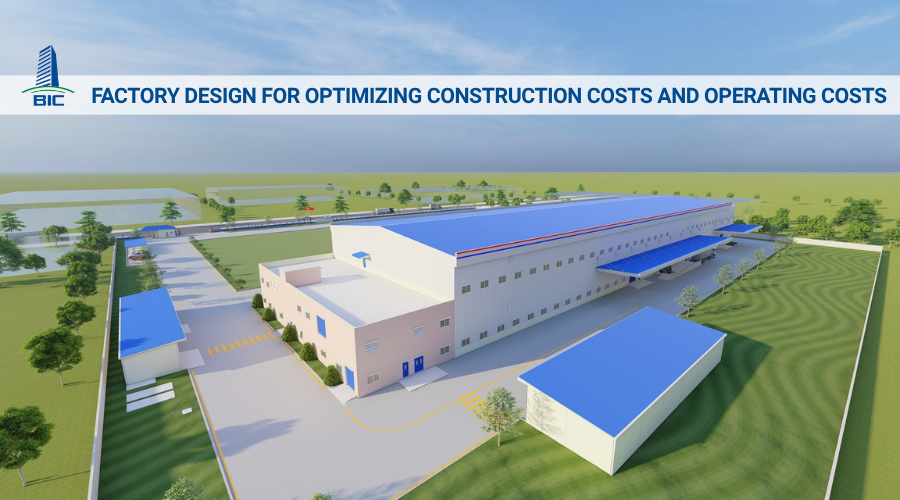
Wood processing factories operate in environments filled with fine dust, flammable materials, and high-powered machinery. Therefore, a properly designed factory not only enhances production efficiency but also ensures worker safety, compliance with legal regulations, and long-term cost savings.
In this article, BIC highlights common mistakes to avoid when designing wood processing plants from dust extraction and lighting systems to layout planning along with practical advice from industry experts in factory design and construction. This will serve as a useful guide for investors preparing for upcoming projects.
A wood processing plant is a specialized industrial facility for manufacturing furniture, construction wood, plywood, and pallets, operating at high capacity and under strict technical requirements. Unlike conventional factory models, wood factories must simultaneously meet three critical criteria: operational efficiency, fire safety, and long-term durability.
Wood, sawdust, and various chemicals used in painting, gluing, and finishing are all highly flammable materials. According to fire prevention experts, a fire can occur at any moment when the three factors, fuel (wood/sawdust), heat, and oxygen coexist. Therefore, the design must include fire risk control solutions such as central dust extraction systems, automatic fire alarms, and compliant emergency exits.
Moreover, wood factories must withstand heavy loads from machinery, forklifts, and transport systems. Hence, the foundation, structural frame, and construction materials must possess strong load-bearing capacity and durability. A well-designed plan optimizes functionality, improves production flow, reduces maintenance, and increases long-term returns on investment.
Most importantly, to ensure smooth operation and legal compliance, the factory must follow national standards on construction design, occupational safety, and fire protection. This includes appropriate zoning, installation of fire alarms, dust extraction, emergency exits, lighting, and ventilation systems. A correct design from the start ensures not only efficient operation but also sustainable business development in the wood industry.
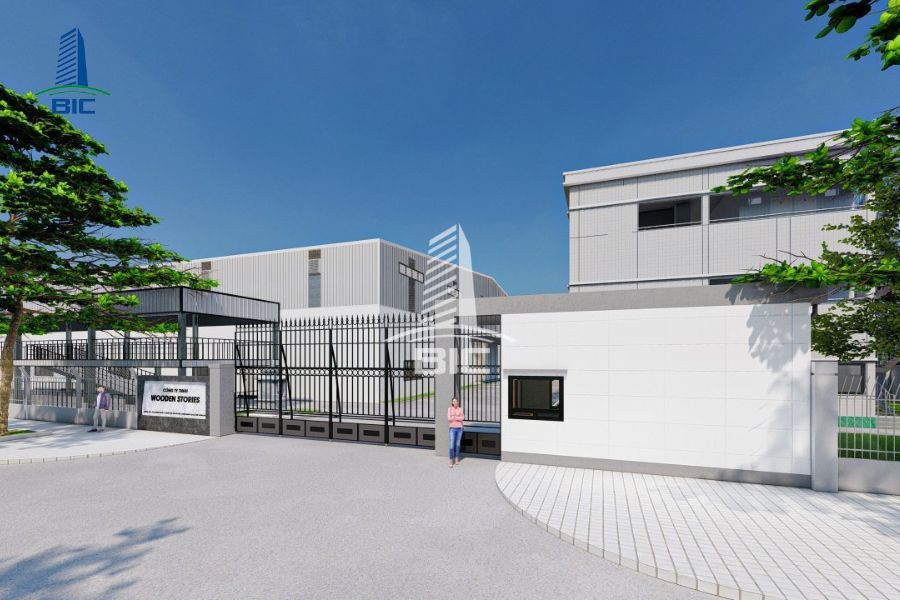
A well-structured factory design not only ensures efficient operation but also determines the facility’s safety, sustainability, and potential for future expansion. In wood processing, where flammable materials and continuous production lines are involved, proper design from the outset is crucial for investment optimization and risk prevention.
Professional design helps investors clearly define functional areas production zones, drying chambers, finishing sections, warehouses, offices, and technical rooms, while selecting suitable materials, foundations, and engineering systems for specific production capacities. This prevents costly renovations or layout changes after operations begin.
A high-quality wood processing facility can only be achieved when designed and built by a reputable design–build contractor, ensuring compliance with structural integrity, technical standards, and functional efficiency. Industrial hygiene, lighting, ventilation, dust management, and fire protection systems (FSS) must also be integrated during the design phase not as reactive add-ons later.
Skipping proper planning from the beginning can lead to costly consequences: design revisions, operational interruptions, failed safety inspections, or even forced shutdowns due to construction and fire safety violations.
Investing in a properly designed factory is an effective way to protect your project, ensuring smooth operation, long-term cost efficiency, and a safe foundation for sustainable growth.
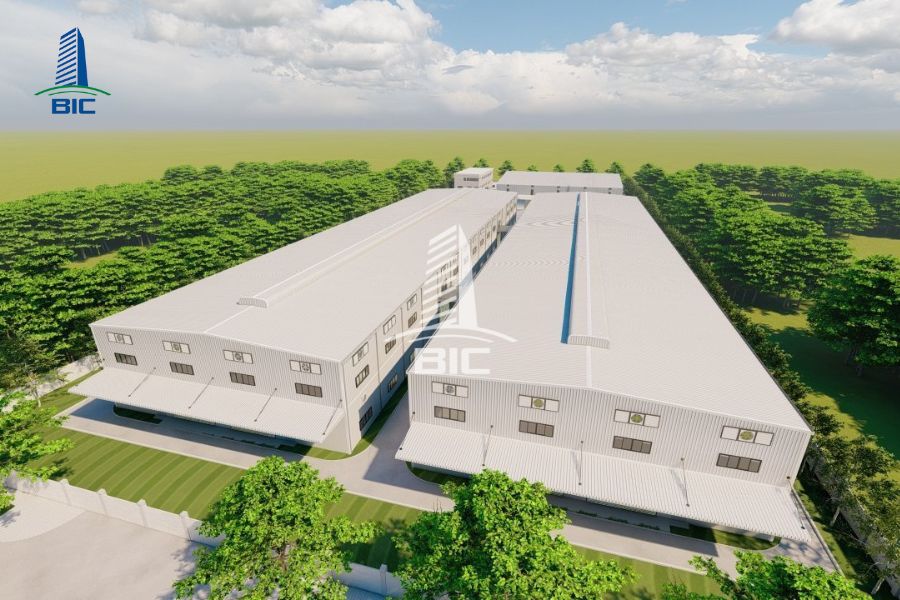
Sawdust is highly combustible and can accumulate throughout the facility. A common mistake is omitting or poorly designing a central dust collection system, causing sawdust buildup on floors and machinery increasing fire risks and respiratory hazards. In reality, sawdust ignites faster than raw wood and can catch fire from a single spark.
To prevent this, modern factories must install central dust extraction systems directly connected to CNC machines, saws, and planers as recommended by AMA Automation. This approach collects dust at the source, keeps the air clean, and minimizes fire hazards.
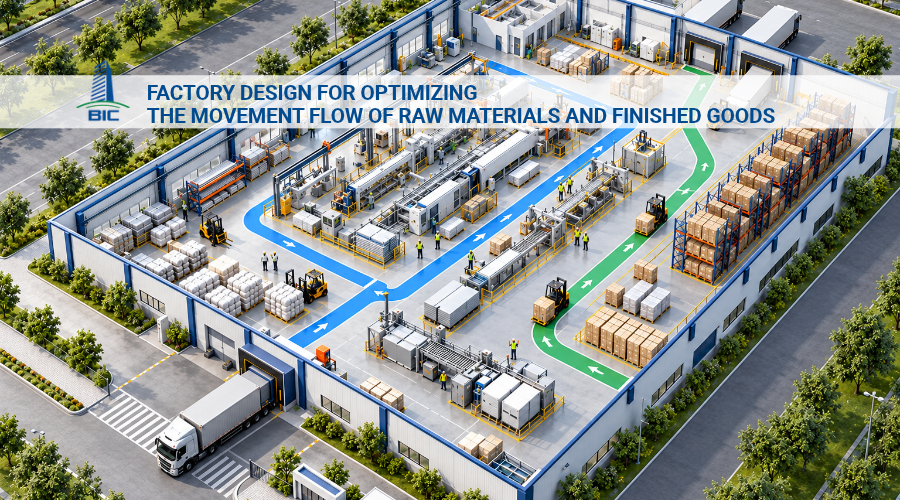
Wood processing requires clear zoning: rough machining, finishing/painting, raw material storage, finished goods warehouse, technical rooms, and offices. A disorganized layout such as placing production far from material storage or combining high-risk zones with offices leads to workflow bottlenecks and safety issues.
Experts recommend logical, linear layouts where production areas are near material input, storage areas are spacious and accessible, and offices are separate but close enough for supervision. Smart zoning ensures operational efficiency, cleanliness, and worker safety while minimizing accidents between forklifts, workers, and machines.
Cutting costs by using low-grade or non-fire-resistant materials is a serious design flaw. Roof and wall materials must be fireproof, heat-insulated, and soundproof, as wood factories are high-risk environments. Walls and partitions should be made of fire-rated steel panels or sandwich panels to prevent fire spread.
Steel frames must be accurately fabricated and securely bolted. Poor installation of steel trusses or beams can drastically reduce the building’s lifespan and stability, increasing collapse risks.
Inadequate natural lighting and ventilation are common issues. Many factories lack skylights or windows, resulting in dark, stuffy interiors. This not only raises electricity costs but also reduces worker productivity. Poor ventilation allows dust and chemical fumes to accumulate, harming workers’ health.
Design guidelines emphasize maximizing natural light and airflow for a healthy, energy-efficient workspace. Mechanical ventilation (exhaust fans and air ducts) must also be properly calculated to remove dust, moisture, and toxic gases effectively.
Fire safety is mandatory in all factories, especially in woodworking. Common oversights include missing fire exits, misplaced extinguishers, or lack of alarm systems. Facilities must feature certified fire protection systems, clear escape routes, and regular fire safety training for staff.
Ignoring FSS can lead not only to property and human losses during fires but also to severe fines or forced business suspension by authorities.
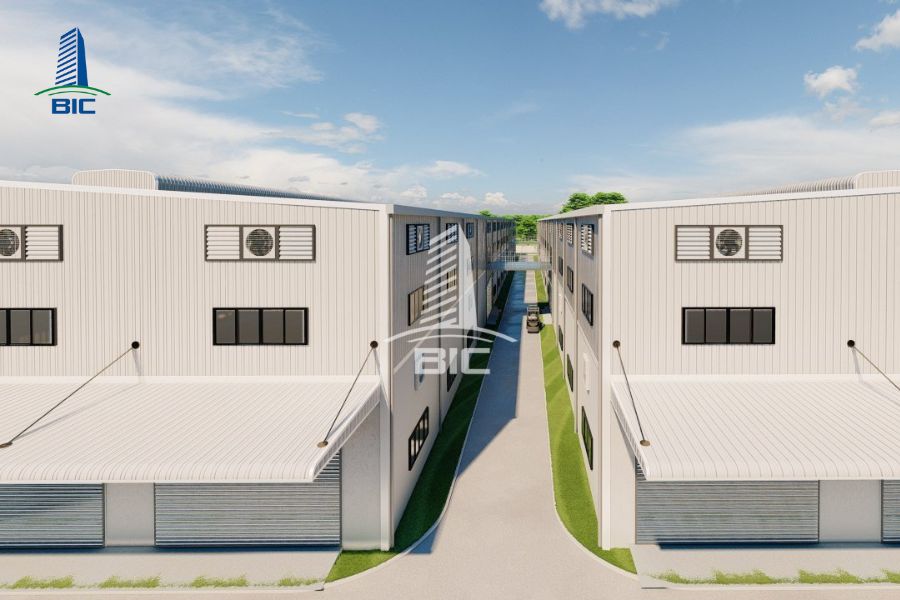
- Legal Risks: Factories built without proper permits or in violation of zoning laws face fines and shutdowns. For example, a wood factory in Hòa Bình was forced to demolish its facility after being built illegally on agricultural land a costly lesson on the importance of compliant design.
- Operational Disruptions and Costly Modifications: A poorly designed layout quickly becomes inefficient during expansion or upgrades. Investors may need to tear down walls, relocate equipment, or reinforce foundations resulting in downtime and high repair costs.
- Severe Property Losses from Fires: Due to the flammable nature of wood, sawdust, and solvents, even a small spark can destroy assets worth billions of VND if dust extraction or fire safety systems are lacking.
- Occupational Accidents and Worker Safety Risks: Unsafe designs such as missing guardrails, improper ladders, or narrow walkways, can cause serious accidents. A real incident in Lào Cai saw two workers fall from over six meters, resulting in one fatality. Such tragedies are preventable with proper design and compliance.
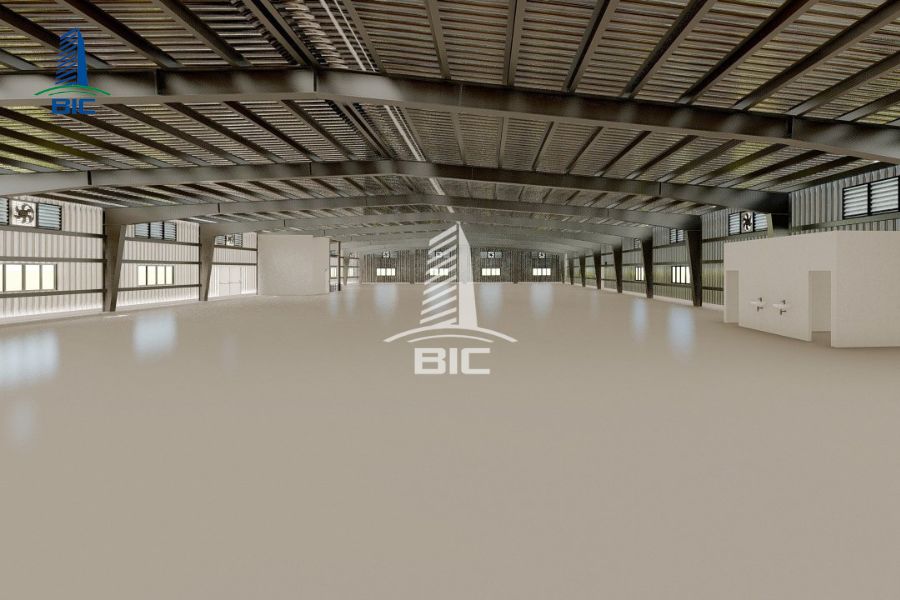
- Conduct Thorough Site Surveys: Build on stable, elevated ground away from flood-prone or polluted areas. Plan for temperature and humidity control from the design stage, especially for drying zones.
- Use Specialized Materials: Choose fireproof, insulated roofs and wall panels. Ensure smooth, easy-to-clean surfaces to minimize dust buildup.
- Smart Lighting and Ventilation Design: Incorporate skylights and windows for daylight use. Install exhaust fans and vents to maintain clean air and reduce humidity.
- Functional and Logical Zoning: Separate painting/drying zones from rough machining; design wide aisles for forklifts; and position technical and maintenance rooms close to production for easy supervision.
- Dust and Waste Management Systems: Include sawdust collectors, wastewater treatment, and regulated waste storage to prevent environmental contamination.
- Plan for Future Expansion and Maintenance: Use modular steel or concrete structures for easy upgrades, and pre-plan fire safety, HVAC, and dust systems for potential expansions.
Designing and constructing a wood processing factory is not merely constructing a workspace, it’s a long-term strategic investment where every detail directly impacts efficiency, safety, and cost. Common mistakes such as poor layout, weak fire protection, or inadequate ventilation can be completely avoided through careful planning and collaboration with a professional factory design firm from the start.
As the wood industry grows under increasing environmental and safety regulations, investing in a comprehensive, compliant factory design is essential. It not only boosts productivity and cost efficiency but also ensures worker safety and long-term legal compliance.
If you are planning to build a wood processing plant, contact BIC a trusted expert in industrial factory design and construction with proven experience in the wood manufacturing sector. A correct start today lays the foundation for sustainable growth and superior economic performance in the future.