When executing a construction project, the division of responsibilities between the general contractor and the subcontractor is often a contentious issue. The general contractor plays a role in overall management, while the subcontractor ensures that specialized tasks are completed. However, when problems arise, who will be primarily responsible? Understanding the roles and responsibilities of each party not only helps ensure transparency but also avoids legal risks and enhances the efficiency of the construction process. In this article, BIC will clarify the important question: Will the main contractor or the subcontractor be held accountable when issues occur?
The main contractor and responsibilities in the project?
The general contractor (also known as the main contractor) is the entity or organization selected to carry out all or part of the work of a project, typically in construction, infrastructure, or other technical projects. They are the party primarily responsible for executing the contract with the investor and ensuring that the project is completed on time, to quality standards, and within the defined budget.
Responsibilities of the General Contractor
The general contractor assumes many important responsibilities throughout the project execution process, including:
- Participating in bidding: Submitting the bid, preparing the bidding documents, and competing with other contractors to win the contract.
- Signing the contract: After winning the bid, the general contractor will sign a contract with the investor, which clearly outlines the rights and obligations of both parties.
- Planning: Developing a detailed plan for the entire construction process, including workforce, materials, equipment, schedule, and other resources.
- Organizing construction: Managing and coordinating all construction activities, ensuring that work is carried out according to the established plan.
- Quality management: Controlling the quality of the project, ensuring that work is performed according to technical standards and contract requirements.
- Schedule management: Monitoring and controlling the construction progress, ensuring that the project is completed on time.
- Cost management: Controlling construction costs, ensuring that they do not exceed the approved budget.
- Safety management: Ensuring occupational safety for workers and related parties, complying with occupational safety regulations.
- Handover of the project: After completing the project, the general contractor is responsible for handing over the project to the investor, ensuring that it meets all contract requirements.
- Warranty: Performing warranty work on the project according to the contract provisions, addressing any issues that arise during use.

Responsibilities of Subcontractors in Construction Projects
Subcontractors must ensure the complete and accurate execution of the work items agreed upon with the main contractor, adhering to the scope and content that has been negotiated.
Below are the main responsibilities of subcontractors:
- Ensure work quality: The quality of work performed by subcontractors must meet the technical standards and requirements set by the main contractor, contributing to the overall quality of the project.
- Adhere to construction schedules: Subcontractors are responsible for completing their portion of the work within the agreed timeframe, avoiding any impact on the overall project schedule.
- Ensure occupational safety: Subcontractors need to strictly implement safety measures to ensure the safety of workers during the work process and comply with the project's occupational safety regulations.
- Use materials and equipment as specified: The materials and equipment used must be of the correct type and meet the quality standards required by the main contractor to ensure construction quality.
- Report on progress and issues: Subcontractors are responsible for regularly reporting to the main contractor on work progress, any issues arising during construction, and proposing timely corrective measures.
- Coordinate with stakeholders: Subcontractors must closely coordinate with the main contractor and other subcontractors to ensure continuous work flow, avoiding overlaps or interruptions, thereby contributing to the effective completion of the project.
Subcontractors play an indispensable role in executing construction tasks. Adhering to the above responsibilities will help ensure the schedule, quality, and success of the construction project.
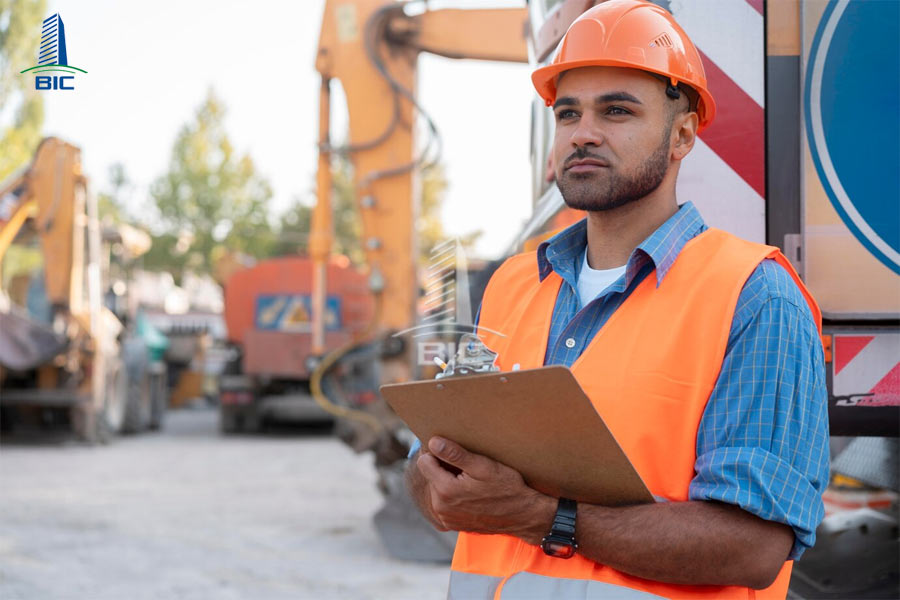
When an incident occurs, who will be responsible?
The answer to this question depends heavily on the specific circumstances, the type of project, and the terms of the contract. However, in general, responsibility will be divided based on the following factors:
1. The cause of the incident:
- Design errors: If the incident occurs due to a fault in the design, the designer or the investor (if they approved the design) will bear primary responsibility.
- Construction errors: If the incident is due to mistakes during the construction process, the main contractor or the subcontractor performing that work will be responsible.
- Material defects: If the incident is caused by poor quality materials, the material supplier or the quality control unit will be held accountable.
- Force majeure: If the incident is due to force majeure factors such as natural disasters or fires, responsibility may be shared or exempted depending on the terms of the contract.
2. Contract terms:
- Construction contract: The contract will clearly specify the responsibilities of each party, including the main contractor, subcontractors, the investor, and other stakeholders.
- Insurance: If there is construction insurance, the insurance will cover part or all of the costs to rectify the incident, depending on the insurance terms.

- Construction Law: The Construction Law outlines the general principles regarding the responsibilities of the parties involved in the construction process.
- Other regulations: Depending on the nature of the project, there may be additional regulations related to legal responsibilities.
- Investor: Responsible for the overall project, including selecting the general contractor, supervising the construction process, and ensuring the quality of the work.
- General Contractor: Responsible for all construction work and the quality of the project.
- Subcontractor: Responsible for the specific tasks they undertake.
- Designer: Responsible for the accuracy and reasonableness of the design.
- Material Supplier: Responsible for the quality of the materials provided.
- Supervisory Unit: Responsible for overseeing the construction process and ensuring the quality of the project.
To clearly define the responsibilities of each party in the event of an incident, it is necessary to conduct an investigation, clarify the causes, and consult with experts and lawyers.
Both the general contractor and subcontractors have roles and responsibilities in each construction project. However, the general contractor is the one who ultimately commits to responsibility before the investor. Clear division of work, tight contracts, and careful supervision are crucial factors to ensure the quality and progress of the project. To ensure that all projects meet standards and optimize management processes, please contact BIC, a reputable unit in the design of industrial factory construction.