Industrial wastewater in big cities or industrial clusters is at an alarming rate because pollution affects people's daily life. Therefore, a proper industrial wastewater treatment process is the first priority solution.
In addition, it is necessary to have knowledge about industrial wastewater treatment methods to apply to each type of factory in a specific industrial park to bring about industrial wastewater treatment efficiency with optimal cost.
It is very diverse because the source of industrial wastewater in each place containing pollutants is very diverse. However, the process with wastewater treatment steps is often similar in terms of body.
Mainly the screen removes solid materials that can damage other treatment equipment, reduce the efficiency of the whole treatment system or contaminate the water system of the factory.
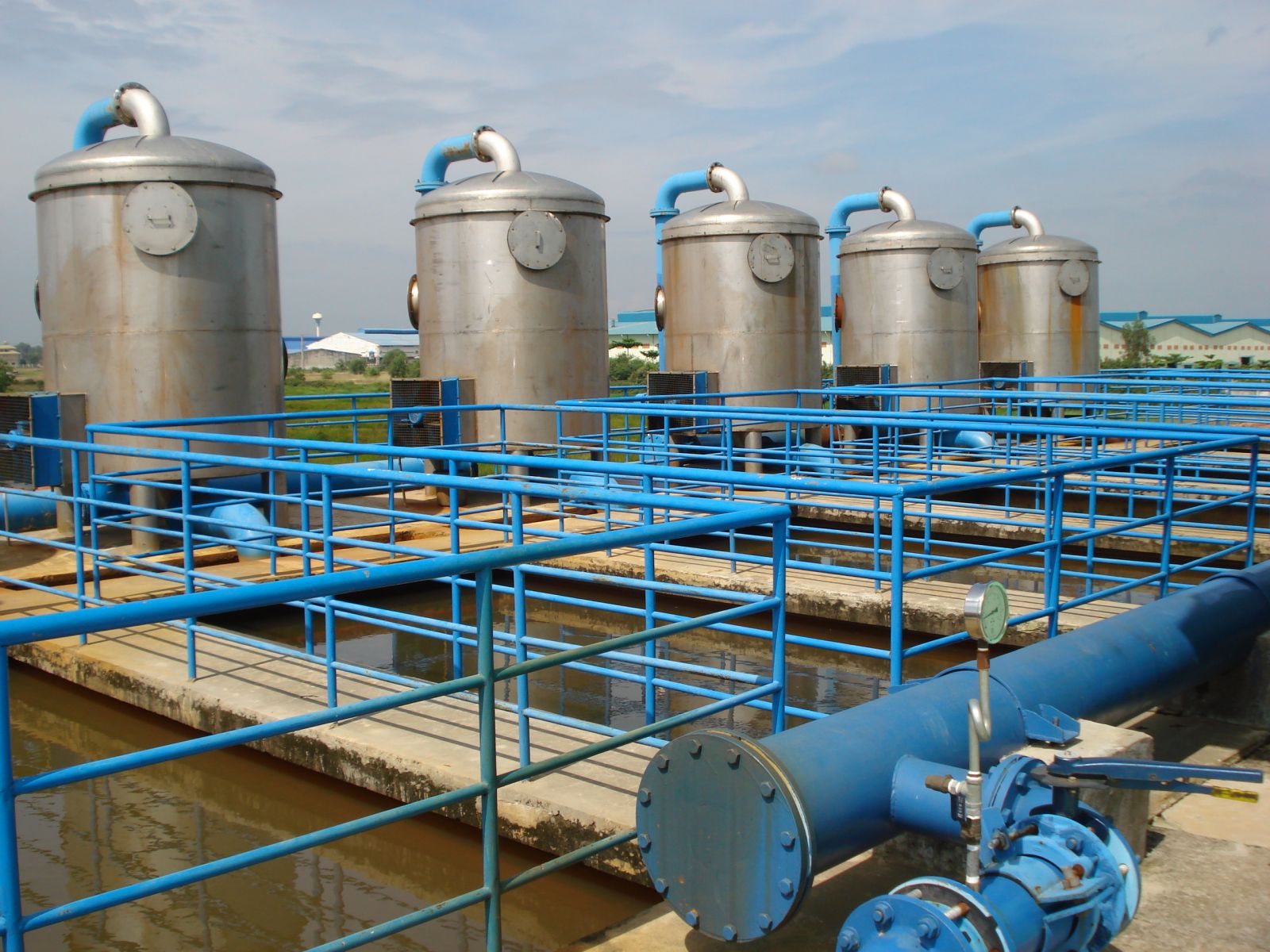
The primary type of cleaning is the removal of solids from wastewater prior to biological treatment
The secondary settling type is a quick way to return the activated sludge to aeration after the biological treatment.
This separator is used in water and wastewater treatment plants in the preparation of drinking water, industrial process water and the pretreatment of many types of wastewater.
Industrial wastewater often contains a significant amount of hydrocarbons, removing contaminants is not a simple task. For oils, which are usually less dense than water, it can float in a separate removal stage or in a dual-use vessel allowing the solids to settle. As specified by the American Petroleum Institute designated as an ADI separator using a rectangular sump with surface cleaner for oil and bottom scraper for frying as standard equipment.
If the density difference is not enough to separate the oil from the solid, use the air float method to enhance the oil removal. Air bubbles are attached to the contaminant particles where the difference in apparent density between the particles is increased. Dissolved gas flotation (DAF) is a method of introducing air into a side stream or recycle stream at high pressure to create a saturated flow. When introduced into the exhaust stream, the pressure is reduced relative to the atmosphere and the air is released in the form of small bubbles. This bubble traps contaminants in the waste reducing their effective density and aids in separation.
High-speed aeration of excess food is provided by recirculation to the biomass population. Wastewater by this method contains a significant level of biochemical oxygen demand or BOD is an incomplete oxidation process. Fort.
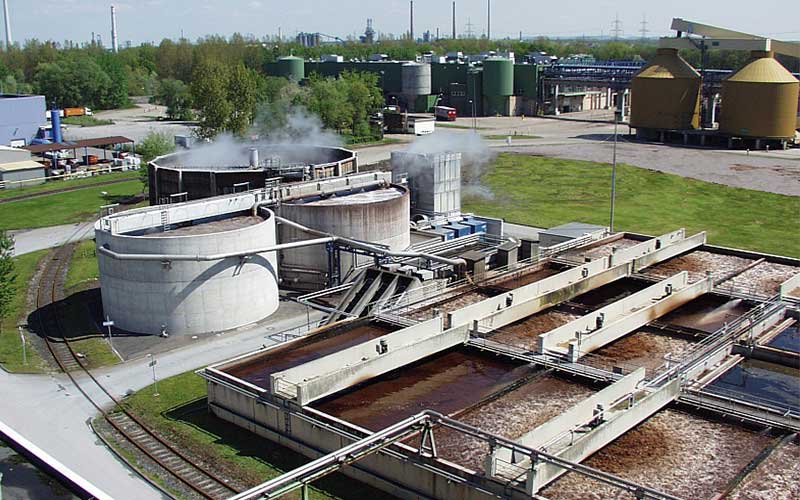
Conventional aeration: This method of activated sludge is most commonly used by municipalities and industries operating in the endogenous phase, in order to produce an acceptable amount of wastewater in terms of BOD and total suspended solids levels. salary (TSS). Aeration represents a mid-way approach because its capital and operating costs are higher than that of an extended aeration plant.
Extended Aeration The extended aeration plant operates in the endogenous phase but uses a longer oxidation time to reduce the BOD level in the wastewater. This requires capital and high operating costs. Low BOD with prolonged aeration produces relatively high suspended solids wastewater when the optimum natural settling range is exceeded.
Step-by-step aeration/descending aeration: In a stream basin, the head of the basin receives the waste in its most concentrated form. Metabolism and oxygen requirements are greatest at the time. As waste passes through the basin, the low rate of oxygen uptake reflects an advanced oxidation phase.
Step 4: Secondary Filter
Fine particles suspended in water repel each other because of their negative charge. Coagulation and flocculation processes are used.
Coagulation can be accomplished through the addition of inorganic salts of aluminum or iron. Inorganic salts have an electrical neutralizing effect on particles that cause turbidity in raw water. Simultaneous hydrolysis forms insoluble precipitates and carries particles. This process is influenced by the addition of water-soluble organic polymers with multiple ionic sites that neutralize the particle charge.
Industrial wastewater often carries various contaminants including BOD, chemical oxygen demand or COD, colour, phenol, cyanide, sanitary waste and a variety of complex chemicals.
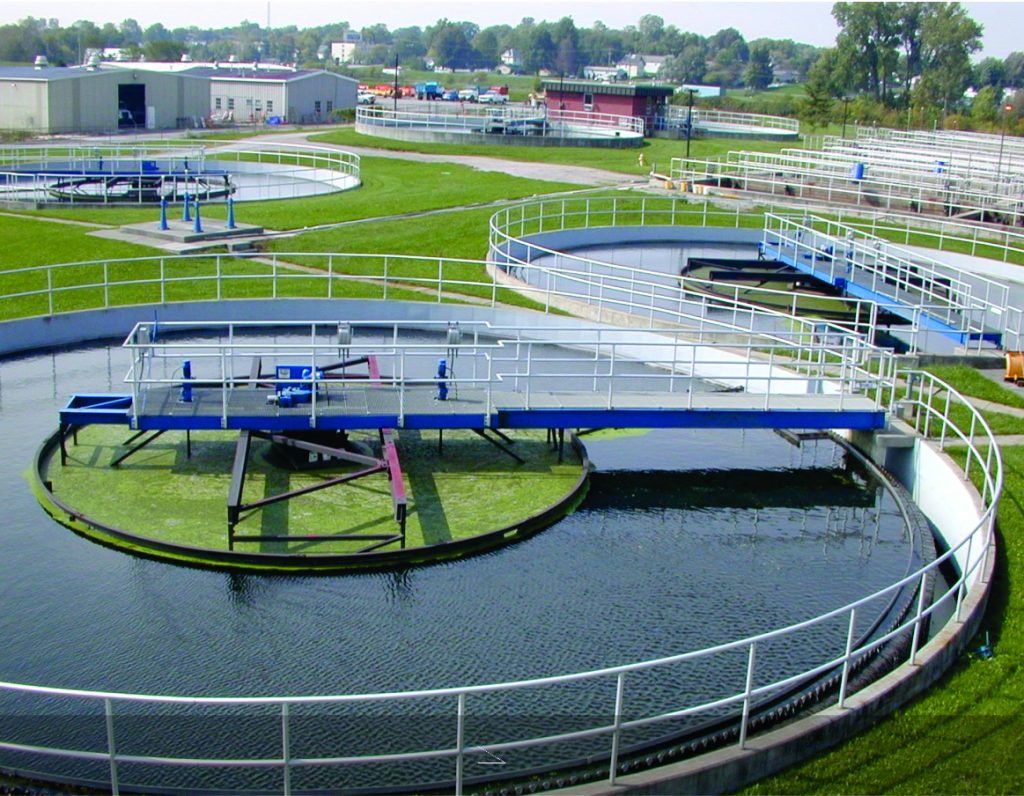
Ozne in combination with UV light or other physical, chemical or biological processes has the potential to treat complex industrial wastes due to its strong oxidizing properties. Combined with medium pressure UV, ozone exhibits enhanced oxidation power to reduce TOC, destroying organic matter. Industrial factories that can apply this water treatment method include pharmaceuticals, textiles, automobiles, foundries, etc.
Chlorine and its derivatives are among the most versatile chemicals used in industrial water and wastewater treatment processes. Chlorine for disinfection, ammonia removal, taste control, color reduction, organic matter destruction, hydrogen sulfide oxidation, iron and manganese oxidation
The disposal of solids generated by industrial wastewater treatment plants depends on government regulations, geographic location and sludge characteristics, among other things. Final treatment methods include reclamation, incineration, fertilizing and burying.
Read more: Industrial Factory Construction
BIC- PRESTIGE CONTRACTOR IN VIETNAM
BIC is a company specializing in the design and construction of high-quality factories, pre-engineered steel buildings, industrial warehouses, in addition, BIC also designs and constructs office buildings, apartment buildings, participates in surveys, accreditation,....
BIC has participated in many construction projects across the country. We have had a lot of experience in building large-scale projects of famous investors from countries around the world such as: Japan, Korean, Taiwan, America (USA), Singapore, .. ..
BIC's reputation is increasingly strengthened when we are known more and more through compliments for our professional working attitude, seriousness, market-oriented spirit and honesty in business.
BIC is now a trusted brand for big name investors in Vietnam market.
=======================================================================================================
BIC CONSTRUCTION ARCHITECTURAL JOINT STOCK COMPANY
Ho Chi Minh Branch: 7th Floor, Gia Dinh group, 566 National Highway 13, P.Hiep Binh Phuoc, Thu Duc District, Ho Chi Minh City
☎️ Hotline: 0901.815.069
Mail marketing: marketing@bicons.vn
Hanoi Branch: 4th Floor, HUD3 Tower, No. 121-123 Pho To Hieu, Ha Dong District - Hanoi.
☎️ Hotline: 0243.91.92.789
Mail: bic@bicons.vn - Fax: (028) 38 800 892