Warehouse is an important asset of the enterprise to serve the production business. A place to store finished materials and important things. Therefore, the design and construction of the warehouse is carefully planned by the investor in each item. Understanding the process of building a warehouse from preparation to completion of the project. The implementing unit must make sure that the investor has an overview so that all construction work is as required by the investor.
Warehousing and logistics are growing areas of the economic recovery. The rise of online retail and commerce led to a significant increase in the need for warehouse construction. Warehouses play an important role in the distribution of goods.

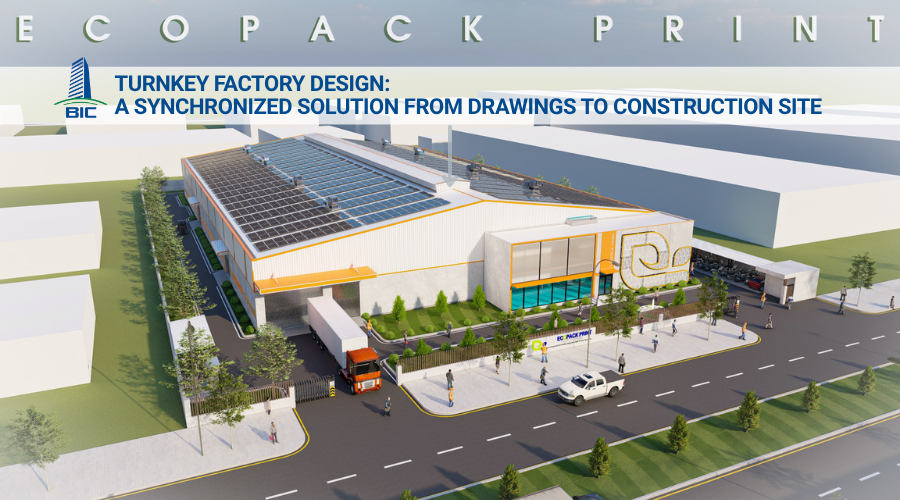
Thereby promoting the construction industry to grow significantly in recent times. The construction of warehouses increasingly adapts to modern technology. Warehouses use large amounts of energy and with increasing demand it is important to consider sustainability. The implementation unit offers greener solutions such as solar energy and more responsible waste treatment for the environment where it is produced.
The method of making concrete warehouse and steel structure warehouse will be different and how to choose in accordance with current needs.
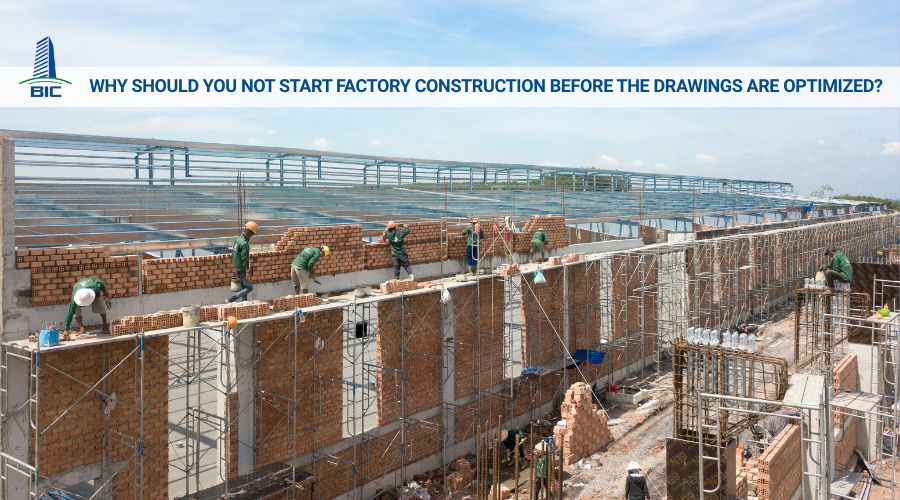
The first difference can be noticed is the depth of the foundation: Steel structure warehouses are much lighter than concrete warehouses and most of them are one-story large plots, so digging the foundation will be hot, the amount of soil slays is less. does not cause much impact on land resources; Concrete warehouses built high when opened, the foundation needs will be deep, the amount of soil will be excavated. Depending on the need to choose from the beginning to build the foundation for the most appropriate cost.

Different structural frameworks: The pre-engineered warehouse is mainly made of high-grade steel material with high mechanical strength and bearing capacity. Bearing much smaller damage loads than concrete structures during construction and repair.
Materials used in the construction process vary. Prefabricated warehouses are easy to install and remove steel structures that can be effective and save resources. When the concrete warehouse is dismantled, it has to be demolished and can't use anything. Besides, there is still a large amount of construction waste that wastes resources.
The construction time of the steel structure warehouse will be faster than the items connected together into a unified whole. Concrete structures have many cumbersome construction stages.
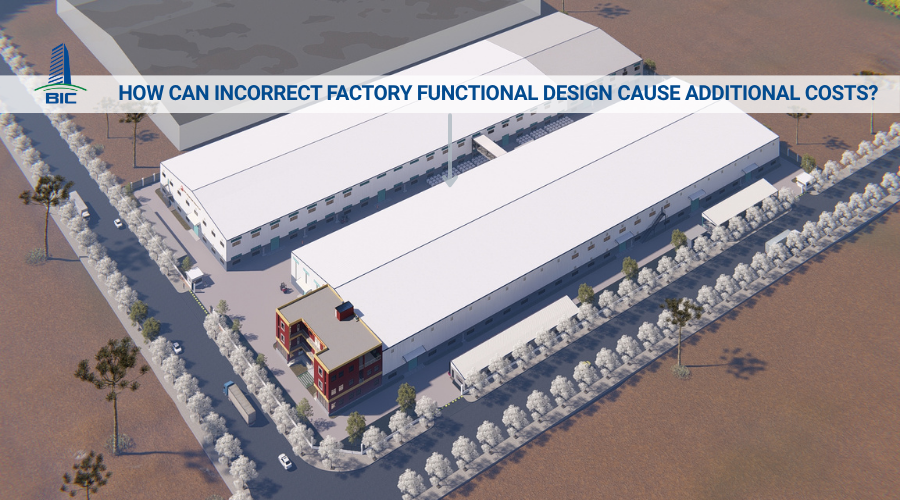
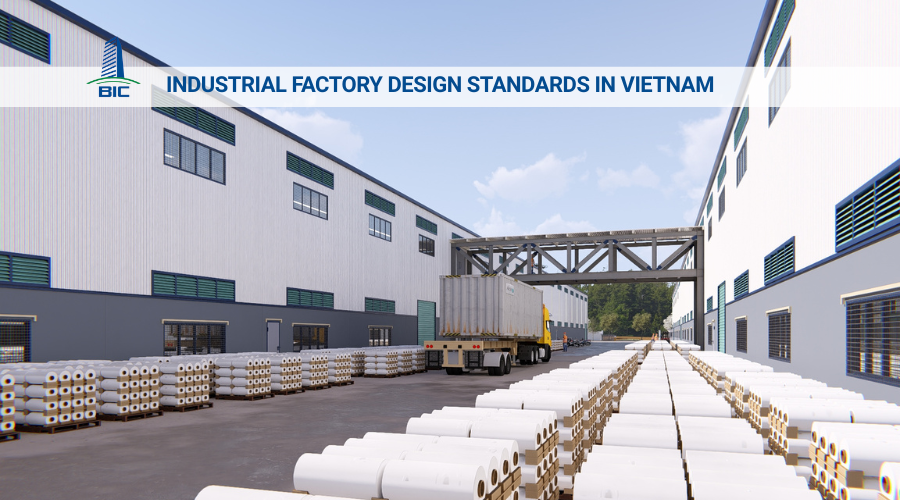
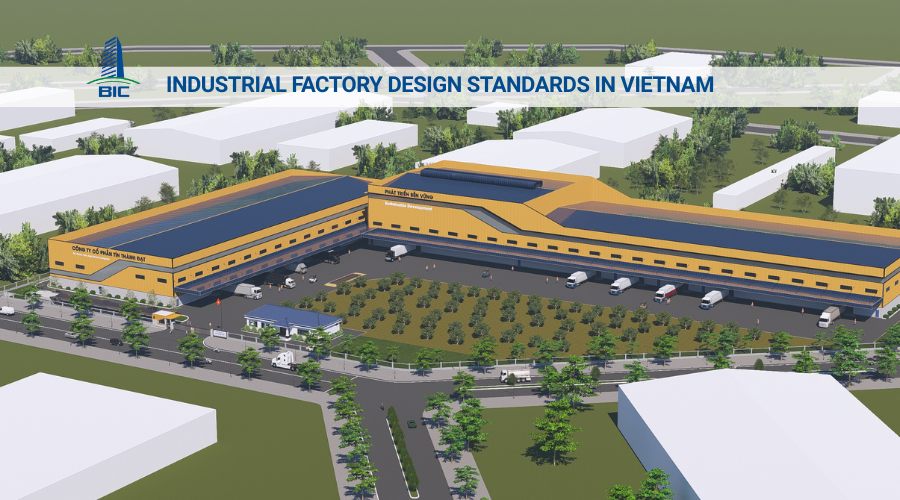
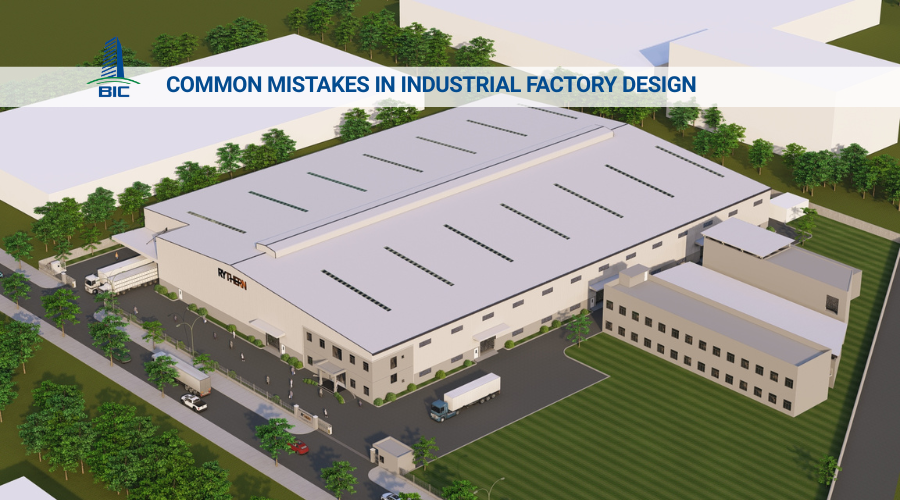
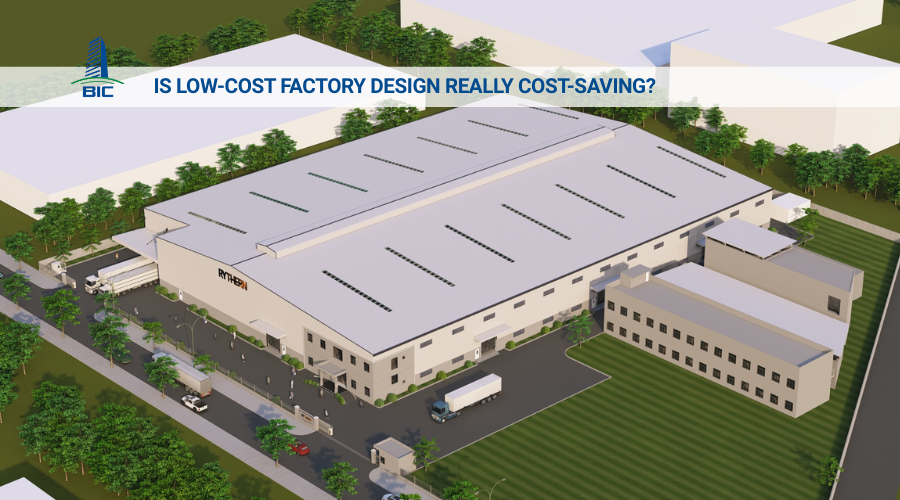
About the package design and construction process at BIC, the optimal use of space, safe approach and efficient operation system are what we aim for. The prefabricated warehouse has a very simple design, surrounded by walls and high roofs. Leverage renewable energy technology. The warehouse will have a deceleration lane for trucks and vans to safely approach the construction site. Easy transportation and collection of goods is the basis for efficient storage.
In terms of food, the whole warehouse is planned before construction begins and the structure is finished to resist fire. The fire protection system minimizes the risk of fire and explosion.

Step 1: Receiving and storing materials during the construction of the steel frame warehouse
Warehouse construction has many problems to be managed. It is more difficult to manage when the warehouse is built in the industrial zone. Failure to manage materials will cause loss and waste of assets, leading to delayed construction progress. When receiving materials, it should be checked and well preserved.
Step 2: Carry out the construction and installation of the foundation
Any construction must build a foundation. Instead of traditional concrete pouring, the steel structure warehouse will use foundation bolts to connect the underlying foundation and steel pillars.
Step 3: Construction and installation of warehouse frame
Next, build the frame for the project including: pillars, trusses, purlins, ... and many other details. The overhead details need to use a crane.
Step 4: Install the corrugated iron roof
The installation of corrugated iron roof due to the work carried out at height, the installation and alignment of corrugated iron must ensure safety in accordance with technical standards. Make a mark on each new corrugated iron sheet to the roof mounting part, the deep corrugated iron sheet overlaps the previous sheet in a straight line perpendicular to the purlins and so on until the end of the roof.
Step 5: Install the warehouse wall
Install partitions that can be divided into two, three or four warehouses. The installation only needs to match the pre-engineered steel part that has been installed previously.
The entire warehouse design process is solely for the purpose of facilitating changes in business/agency growth and the size/population of office and warehouse spaces within the building. The warehouse space should be easily adaptable to new functions such as offices (on ground or upper floors), computer centers, or light industrial/manufacturing sites.
+ Satisfy future demand for docks, truck spaces and car parks if space configurations change through efficient floor plans.
+ Address material handling technologies and business practices, such as “just-in-time” storage, that have fundamentally changed the operations of warehouses and distribution centers, and will continue to do so. .
Includes roof design with built-in additional structural capabilities to handle future additions of roof equipment.
+ Design with fire resistance to accommodate materials with greater fire risk; Especially needed with high product content or plastic packaging, and shrink-wrapped pallets.
Maximize space utilization while providing adequate circulation for personnel and material handling equipment such as forklifts.
+ Use taller compartments to take advantage of the height allowed in the space.
Optimize the layout and configuration for warehouse operations, including efficient material handling and storage.
+ Relate internal and external receiving and shipping activities with the process of transporting goods through the warehouse.
+ Separate pick up and delivery to avoid congestion at loading dock areas in the building and truck maneuvering areas.
+ Approach alternative material handling methods to determine other aspects of the building, such as aisle width, lighting design, mezzanine space needs, fire protection, and design exit. Businesses will often use different storage treatments simultaneously for different products.