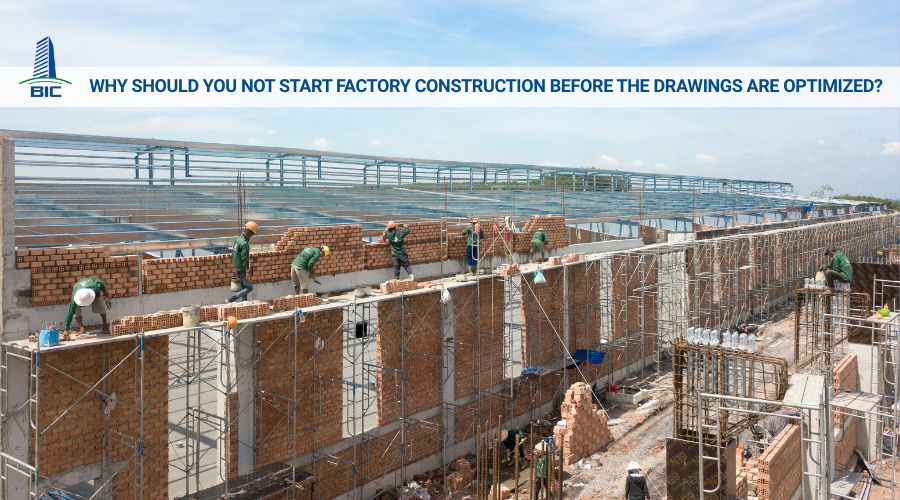
Safety measures on construction works focused on by BIC are thoroughly applied throughout all construction projects. BIC regularly equips with occupational safety knowledge, instructions on the use of protective equipment for engineers and construction workers. This not only protects workers but also minimizes unfortunate risks. affect construction progress.
Occupational safety is simply solutions to prevent impacts as well as factors that are dangerous to the health and life of people operating in the construction field.
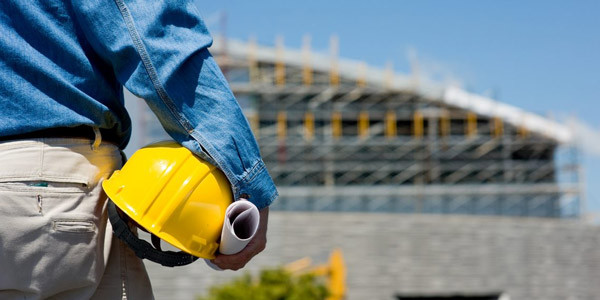
According to the law promulgated by the Minister of Construction, stipulates that “Work safety in construction is a solution to prevent and combat the impact of dangerous and harmful factors in order to ensure that it does not damage the environment. reduce health, injury and death to people, prevent incidents that cause occupational insecurity during the construction process”
BIC is always fully equipped with knowledge and protective gear to ensure the safety of its engineers and workers. Always remind you to strengthen measures to ensure your own health and life.
The construction field always finds hidden risks that workers or employers also need to be equipped with basic knowledge to protect their health and assets. Let's take a look at the construction safety measures applied on the BIC site
Check the safety of machinery equipment
When embarking on the construction and installation of a certain construction project, it is necessary to make sure that the equipment and machinery operate safely. Note that when checking devices for safety, you need to check that the power connection is up to standard.
Fully equipped with labor protection equipment
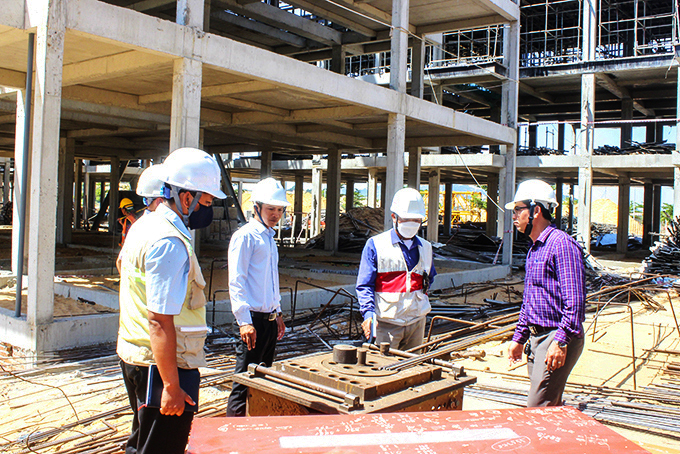
All workers working at the construction site before performing the work must wear full protective clothing and equipment. Especially when working at height. Fully check the basic items such as safety shoes, glasses, shirt, strap, safety jute... Conscious of ensuring your own safety and avoid affecting the company. Modern robotic equipment with remote control functions can be used to replace humans in high-risk jobs.
Observe the correct safe distance
Absolutely comply with the prescribed construction safety distance. Do not violate the electricity grid safety corridor. This endangers the lives of workers. For peace of mind, you need to regularly repair and maintain the necessary equipment and machines that you often use.
Safety and hygiene in the workplace
Consciousness of cleaning and cutting construction works after completion. Should not for a little unintentionally affect the reputation of both the collective and the company. Use and keep protective equipment clean.
Construction safety training training
The BIC Steering Committee often spends a little less time on safety training for engineers and workers. This helps employees raise the awareness of protecting the life and property of the company.
Before starting construction, the contractor established the Occupational Safety Committee and organized an occupational safety training course for all employees working on the site. All employees on the construction site must sign a commitment to implement measures to ensure occupational safety with the company. During the construction process, when adding new workers, the contractor will read the labor safety rules to that new worker and ask to sign a commitment to implement measures to ensure labor safety. In addition, assign the team leader to closely remind new workers until the new worker is familiar with the behavior of implementing safety measures.
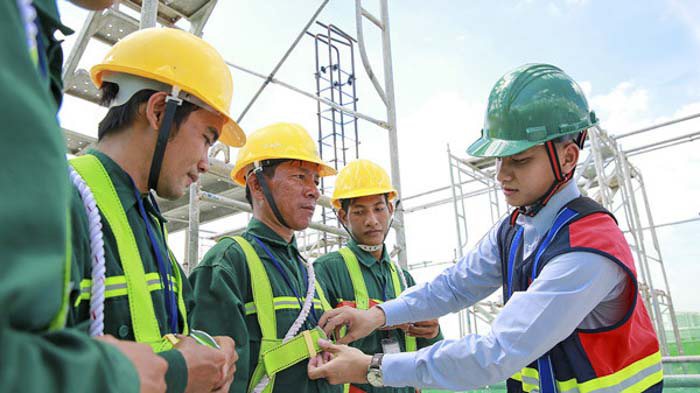
All workers working at height must wear seat belts. Lifelines must be anchored in secure positions. Elevated working platforms must have railings. All floor openings must be securely covered.
At the construction site, in addition to the emergency medicine cabinet, the contractor also arranges a Logistics Officer with all necessary first aid facilities to minimize the risk of affecting human life.
In parallel with measures to ensure labor safety, the contractor will purchase insurance for all its officers and workers directly involved in the construction.
The contractor will arrange the construction from the bottom up but never arrange a construction part above and a construction part below at the same time. This reduces the possibility of accidents caused by objects falling from above. The contractor will make a complete construction plan for each area, avoiding gathering too many materials at the working location affecting travel and labor safety for everyone. In the event of force majeure construction below an area with a high probability of falling objects, the contractor will install a temporary shelter with a structure strong enough to protect workers.
Principles of implementing safety measures:
Before starting a job, the contractor will have to understand that his workers are required to perform some of the following works:
– The team leader must report to the Safety Officer at the building that is working on the dangerous levels assigned by his team. Team leader and Safety member must discuss and agree on measures to ensure safety for that job.
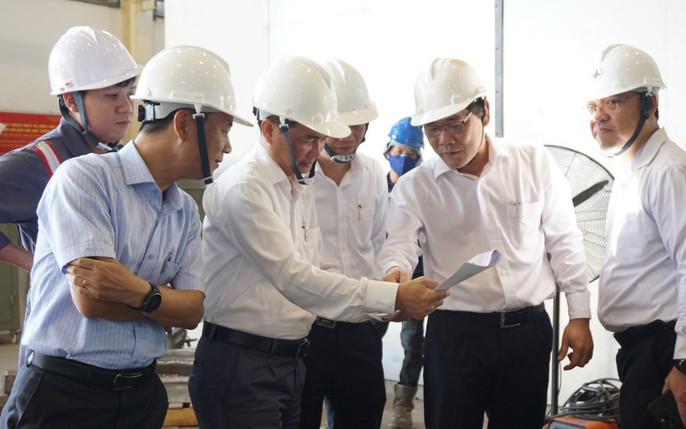
– Safety officers must check seat belts before distributing them to workers.
– Safety officers check that workers in their groups have adequate protective equipment such as clothes, shoes, hats and gloves.
– Safety officers check whether workers in their groups are drunk or mentally and physically unhealthy.
– All workers check the safety level of the power tools they have just been assigned, such as: the insulation of the shell is good, the power cord and plug are not scratched or not.
– At the end of working hours, construction teams must clean up their own working areas. If all construction machinery cannot be stored in the warehouse, the power must be cut off and measures taken to keep it dry.
Arrangement of warning signs:
At all construction sites, there are construction machines that can be dangerous for passersby… must put up the sign "Construction - No entry" to avoid danger to workers and passersby. When the construction is finished, the sea must be collected immediately.
Tasks and responsibilities of each position on occupational safety.
a. Responsibilities of the Head of the Occupational Safety Committee (project manager).
– Take overall responsibility for occupational safety at the construction site.
- Assign work to the commissioners, safety officers on occupational safety.
– Arrange the inspection of machinery and equipment at the construction site at the request of interested parties.
- Organize patrols and safety checks and promptly handle them when necessary.
b. Responsibilities of the Vice President of Occupational Safety.
– Resolve issues of occupational safety when the Head of the Department is not present at the construction site.
– General supervision of the implementation of safety measures to promptly report to the Head of Occupational Safety.
– Organize a meeting of the Safety Committee to take timely handling measures.
c. Responsibilities of the Safety Committee member (Project supervision)
– Contributing advice to the building management on long-term safety procedures.
- Supervising construction teams on occupational safety.
-Perform the occupational safety inspection to evaluate the implementation of occupational safety standards and the implementation of occupational safety standards set by the policy-making executive board, propose handling measures for employees. Executive Board.
- Participating in training courses on occupational safety for employees.
- Drafting and updating occupational safety standards.
– Urging everyone to follow occupational safety standards
d. Responsible Safety Officer (Project Team Leader).
- Directly supervise labor safety at the building in charge of construction.
– The position is outside the construction site, observing for unsafe behaviors or working conditions.
– Prepare daily inspection report and continue to handle safety work cases.
– During the supervisor's absence, the supervisor can assume the duties of the supervisor.
- Perform other duties as prescribed by the company's regulations on occupational safety.
e. Responsibilities of the group leader:
Maintain daily work to ensure safety during construction.
– Reminding their workers to comply with Occupational Safety regulations and Fire Prevention Regulations.
– Report to the team leader on the implementation of regulations and supplement equipment for Occupational Safety.
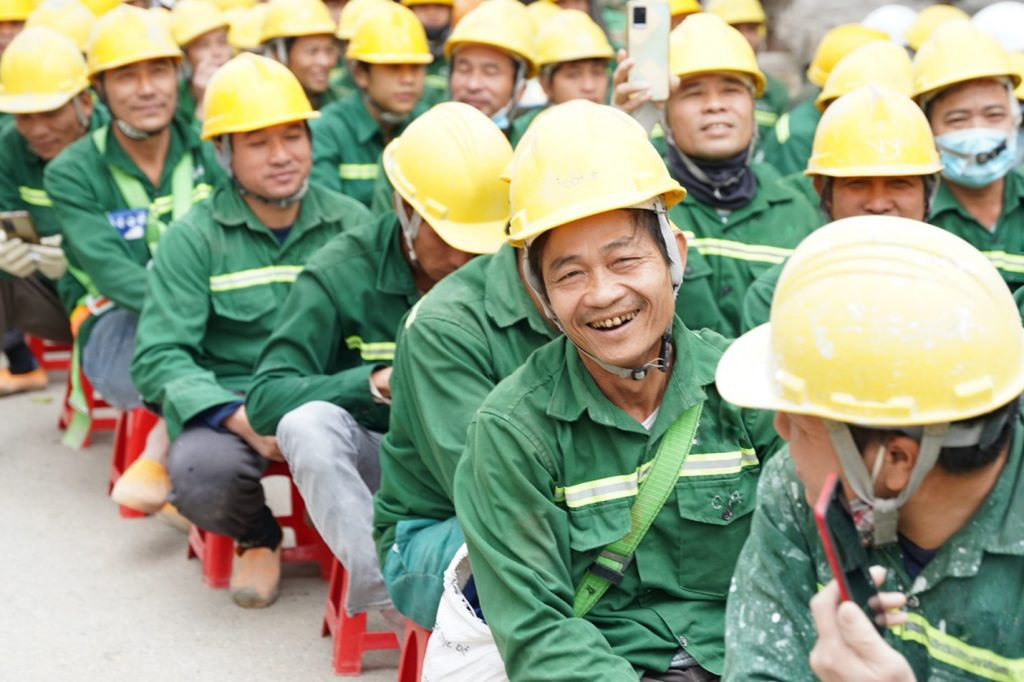
f. Responsibilities of workers.
– Comply with the prescribed procedures, regulations on occupational safety and immediately report unsafe working conditions, equipment or behavior to the site supervisor.
– Report any accident or dangerous incident to the site captain.
- Participate in all occupational safety activities.
– Maintain equipment and tools so that they are always in good and safe operating condition
– Operate machinery and equipment only when the above equipment is safe to operate
– Participate in all occupational safety training sessions.
Protective security measures:
– All assets of the project are carefully preserved and protected. Security and protection work is paid special attention, so on the construction site, labor discipline, rules and responsibility regime are maintained from the site manager to each employee. There is a clear and accurate handover regime to avoid loss and damage to materials, equipment and property in general.
– Regularly have a security team on the construction site 24/24, in the evening there is electricity to light up to protect the area under construction, the warehouse at the construction site. Contractors often work closely with authorities, investors and other contractors to protect the general security of the works.
- Strictly comply with the general safety regulations of the project.
Measures to ensure the safety of installed equipment:
For apartments, the contractor only installs electrical equipment when the door contractor has finished installing the door and has the key.
When the equipment is installed, the contractor will hand over the protection. And the contractor's security forces only coordinate with the management work in the outside, in conjunction with the Project Management Board and other subcontractors. When working groups, the team leader must register with the security guard there.
Any loss and risk with the installed equipment, the security guard must be responsible.
Due to construction in the inner city, the surrounding area is densely populated, so in order not to affect the environment during construction, the contractor pays special attention to solutions to reduce noise and dust. and waste.
Since the installation of the pipeline is carried out after the construction of the partition wall is completed, the contractor should use a faucet cutter or a vacuum cleaner to minimize noise and dust.
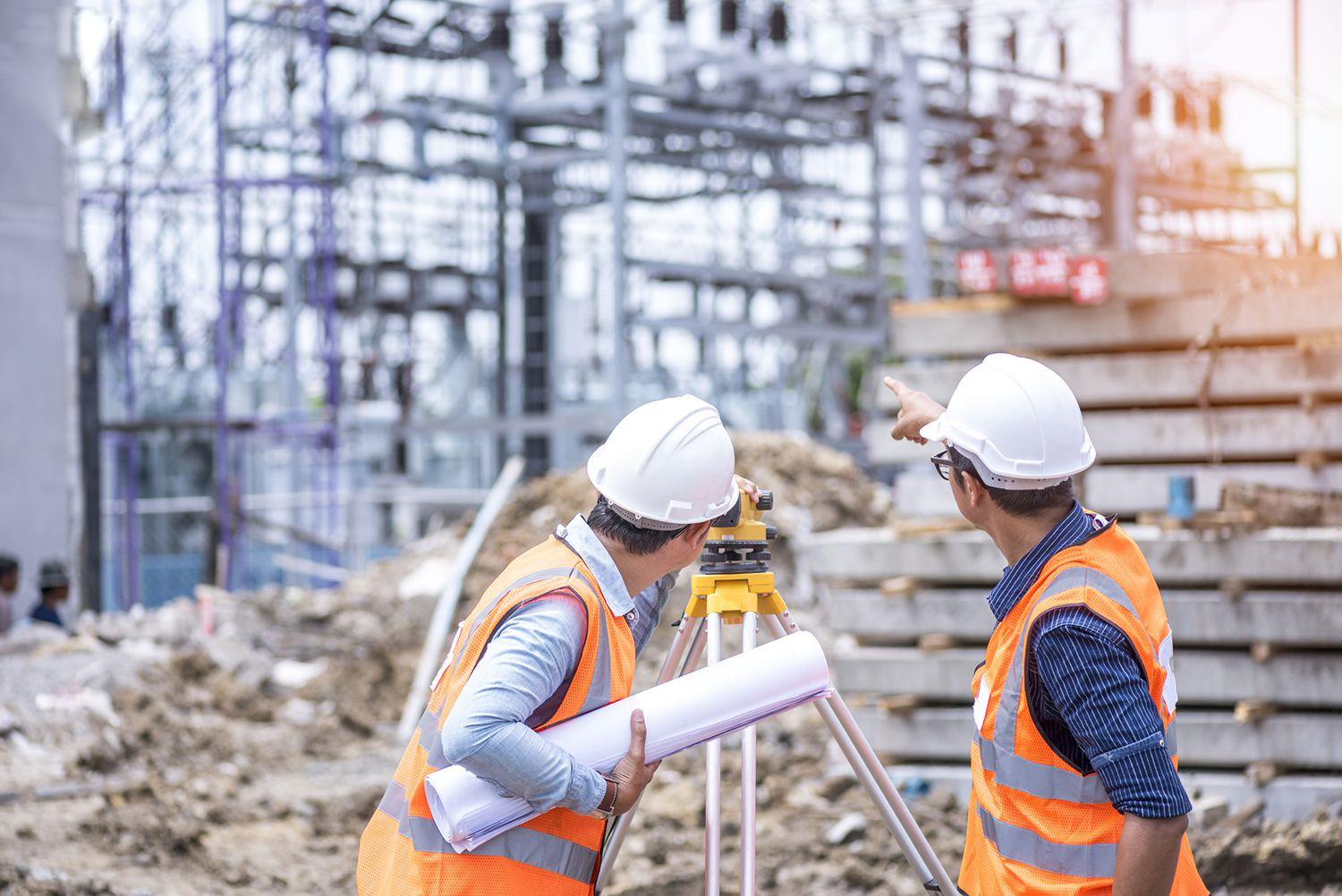
All scraps generated during construction such as pipe ends, equipment packaging, wire pieces will be collected by the contractor in one place and then transported.
Contractors require staff to strictly comply with site hygiene regulations.
The Contractor will train all his workers to be conscious of environmental protection and industrial hygiene. All workers must have a common sense of hygiene, construction teams must carry garbage buckets to collect waste generated during the performance of their work, arrange to dispose of garbage at the correct location. site regulations.
The contractor ensures amenities to serve the workers' daily needs: temporary accommodation, clean drinking water, first aid place and accident emergency facilities.
In addition, to regularly raise the awareness of hygiene, the contractor will continuously launch competitions between construction teams on industrial hygiene and occupational safety.
Along with the occupational safety training for workers when starting construction, the contractor also trained workers in fire prevention. All workers on the construction site are enlightened and aware that the fruits of their labor and the company will only be obtained when today always preserve and be ready to fight the enemy. Electrical equipment should always be tested for safety and insulation.
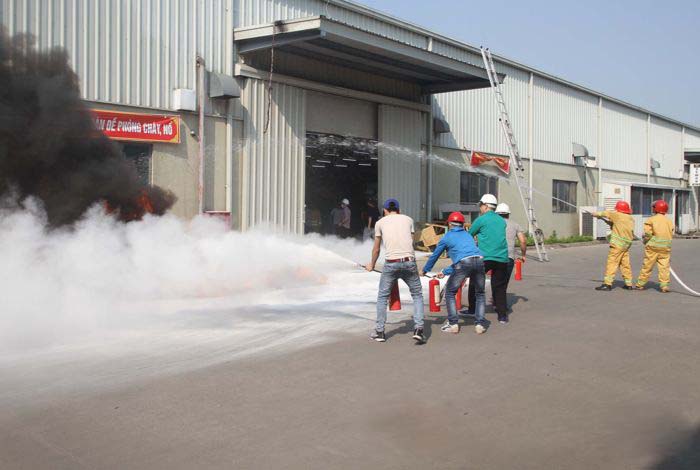
The Occupational Safety Board regularly inspects and urges the observance of regulations on safety on fire prevention and fighting.
Comply with technical regulations and procedures to ensure electrical safety to prevent short-circuit causing fire.
Do not arbitrarily connect the electricity to use, in the process of using the wires, plugs, etc., if damaged, it must be reported to the site management for repair or replacement.
Do not use electricity over capacity.
Do not bring explosives, flammable substances into the construction area.
It is strictly forbidden to boil water with self-made electric tools, to ban smoking, pipe tobacco, and cooking in the construction area.
Flammable materials are carefully managed, clearly decentralized, and have specific rules.
The Occupational Safety Board regularly inspects safety and inspects the equipment and means of fire prevention and fighting.
When a fire occurs, everyone upholds the sense of responsibility to save lives and property. Having a sense of protecting the scene helps the investigating agency determine the cause of the fire.
Individuals and groups with excellent achievements in fire prevention and fighting will be rewarded. If a fire occurs, they must be held accountable to the Company.
The site management board is responsible for disseminating this rule to each employee.
Working time:
* Morning: From 7:00 a.m. to 11:30 a.m.
* Afternoon: From 13:30 to 17:30.
People who are not on duty are not allowed to enter the construction site.
Workers entering the construction site must have access cards. During working hours, do not enter and exit freely, do not travel outside the assigned scope.
Before entering the construction site, workers must be fully equipped with labor protection equipment such as clothes, paper, and hats.
Workers working on the construction site must be fully equipped with means of ensuring labor safety.
Do not drink alcohol, beer, gather to gamble on the construction site.
Do not play, throw tools, materials or anything in the work area and from above.
Do not operate machinery or equipment by yourself without being assigned responsibility.
Keep the workplace neat and clean. At the end of working hours, the construction site must be cleaned up.
Absolutely comply with Occupational Safety Measures and Fire Prevention Regulations in the construction site.
The means of transport must be in the right place, visitors to visit and work must contact the project management board.
Any violation of the rules will be disciplined or expelled from the project.