The wastewater treatment system plays an extremely important role in factory design projects, not only ensuring compliance with environmental regulations but also contributing to public health protection and sustainable development.
As industrialization continues to progress, the amount of wastewater generated from construction projects is increasing, requiring effective treatment solutions to prevent water pollution. Integrating a standard-compliant wastewater treatment system into the design process of an industrial facility helps businesses meet legal requirements and build credibility, contributing to the sustainable development of both the project and the surrounding community.
A wastewater treatment system is a collection of processes and equipment designed to remove pollutants from wastewater before it is discharged into the environment or reused within the factory design. The main role of this system is to ensure that treated wastewater meets safety standards, minimizing negative impacts on the environment and human health.
In the field of construction design, the application of a wastewater treatment system is not only about complying with legal regulations but also an essential part of ensuring the sustainability of the projects. An effective treatment system helps prevent water pollution, protect ecosystems, and maintain clean water resources for future generations.
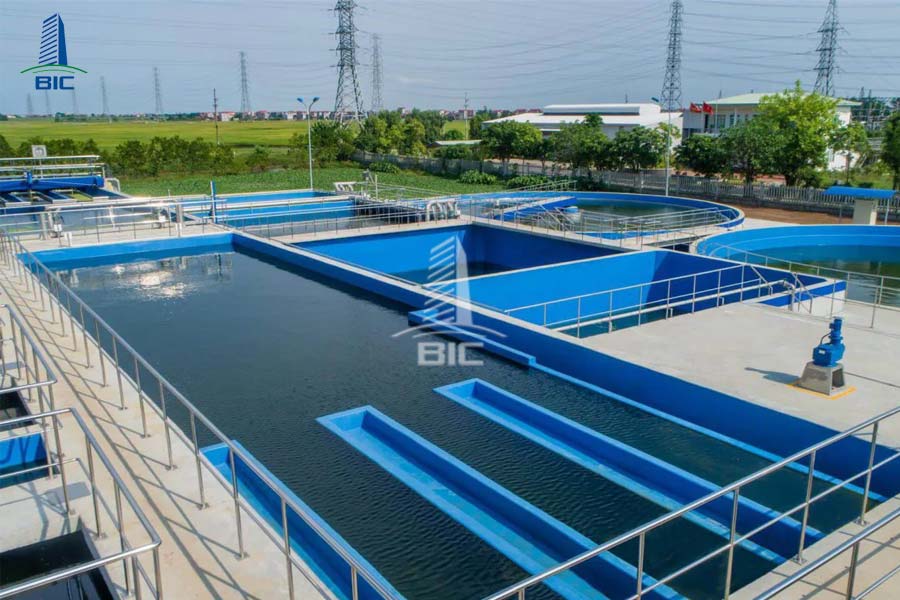
After completing the design calculations for an industrial facility, management needs to choose a treatment technology that suits the characteristics of the wastewater. It is crucial to determine whether the wastewater is domestic or industrial to select the appropriate treatment technology that ensures efficiency and cost-effectiveness. Consideration should be given to using biological or physico-chemical treatment technologies while assessing whether the investment, design, and installation costs fit within the budget. The system's operational performance, treatment capacity, and ease of installation, operation, and maintenance are also important criteria. Additionally, a treatment system that facilitates management, saves space, and reduces costs and energy consumption is highly desirable.
In the design of industrial facilities and the implementation of treatment systems, various technologies are applied depending on the characteristics of the wastewater and the required treatment performance. Below are some popular wastewater treatment systems:
- Biological Treatment Systems: These systems use microorganisms to break down organic matter in the wastewater. The microorganisms consume pollutants as a nutrient source, converting them into less harmful products such as water, CO2, and biological sludge. Common systems in this category include Aerotank tanks, biological lagoons, and membrane bioreactor (MBR) technology.
- Mechanical Treatment Systems: In factory design, this system primarily uses physical methods such as filtration, sedimentation, and separation to remove solid particles and large debris from wastewater. Processes like screening, grit removal, and grease separation are typically conducted in the initial stages of treatment to reduce pollution load before the wastewater is transferred to subsequent treatment stages.
- Chemical Treatment Systems: This system uses chemical reactions to remove pollutants from wastewater. Processes such as coagulation, flocculation, oxidation, and neutralization are typical examples. Chemical treatment systems are often used to remove pollutants that are difficult to degrade biologically or to adjust the pH of wastewater before it is discharged into the environment or further treated.
Each type of system has its advantages and disadvantages, and selecting the appropriate treatment system depends on the nature of the wastewater, the scale of the project, and specific environmental requirements.
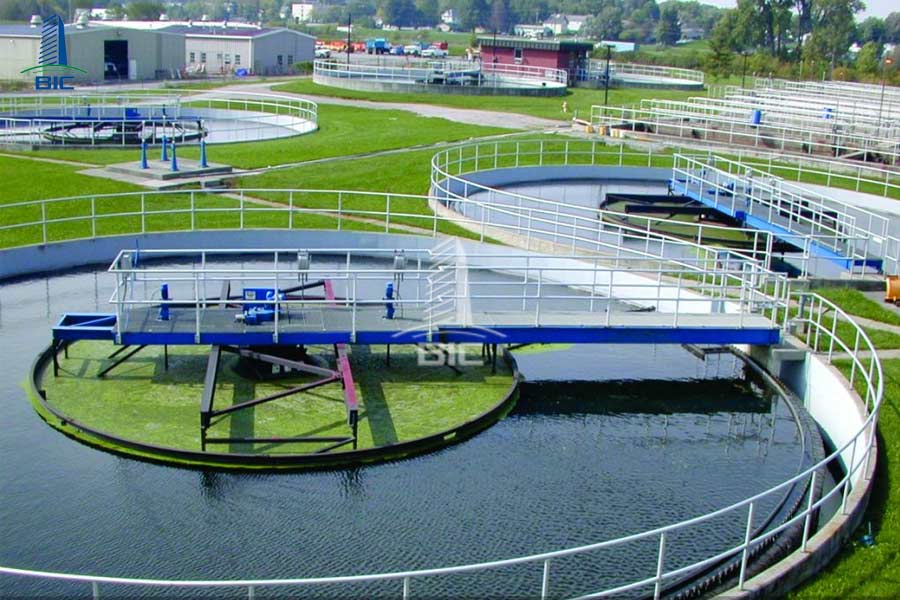
In factory design, to create a high-quality wastewater treatment system, several important criteria must be adhered to:
- Selecting the appropriate treatment method for each type of industrial wastewater: This is the first and most crucial step to ensure the system does not negatively impact the ecological environment. Choosing the wrong method could lead to pollution of natural water sources and affect biodiversity in the area.
- Careful consideration and calculation to select effective treatment technology: The chosen technology must ensure the ability to treat wastewater to the necessary standard while staying within the allowable budget. This requires balancing treatment quality with investment costs. A good system not only treats wastewater effectively but also optimizes operational and maintenance costs.
- Selecting appropriate equipment according to the type of wastewater in each factory design project: Each facility has different wastewater characteristics depending on the type of production. Therefore, choosing the right treatment equipment for each type of wastewater is a decisive factor for achieving the highest treatment efficiency. The equipment must match the physical and chemical characteristics of the wastewater, helping the system operate stably and achieve the best performance.
These factors need to be analyzed and applied carefully to ensure the wastewater treatment system not only meets technical requirements but also protects the environment and optimizes costs for businesses.
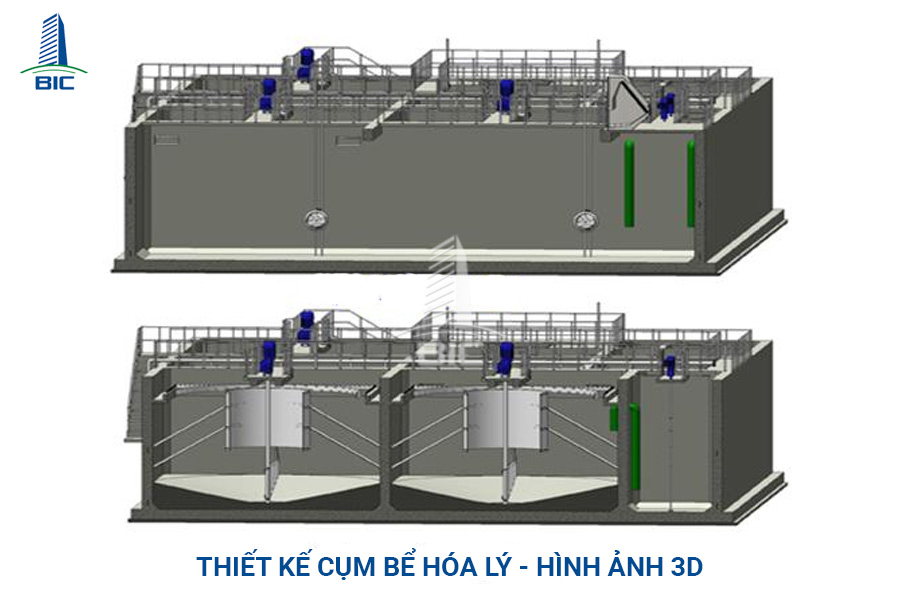
Wastewater treatment systems in factory design play an important role in protecting the environment and maintaining ecological balance. As industrialization and modernization progress, this issue is receiving increasing attention because untreated wastewater discharge can cause serious consequences for the natural environment. Industrial wastewater often contains harmful bacteria and toxic heavy metal contaminants, posing risks to human health. Therefore, the implementation of effective industrial wastewater treatment systems not only prevents environmental pollution but also protects public health, reducing the risks associated with waterborne diseases. These systems ensure that wastewater is treated to safety standards before being discharged into the environment, contributing to the sustainable development of society.
A wastewater treatment system is an essential element in factory design, ensuring that wastewater is properly treated before being discharged into the environment. Integrating a wastewater treatment system into the factory design process is necessary to prevent pollution, maintain water resources, and meet current environmental standards. Contact BIC for factory design consultation and construction.