When factory design, choosing the right waterproofing and insulation solutions is a crucial factor that determines the durability of the structure, operational efficiency, and long-term operational costs. These are not just basic technical requirements but have become increasingly important in Vietnam’s hot, humid, and rainy climate where facilities can rapidly deteriorate without proper protection.
Integrating waterproofing and insulation from the design and construction phase not only helps protect the property and equipment inside the factory but also enhances the working environment and ensures stable production. In modern factory construction projects, energy efficiency and operational optimization are top priorities.
In this article, BIC shares effective, practical, and sustainable technical solutions for waterproofing and insulating industrial factories, helping businesses invest and operate with peace of mind for the long term.
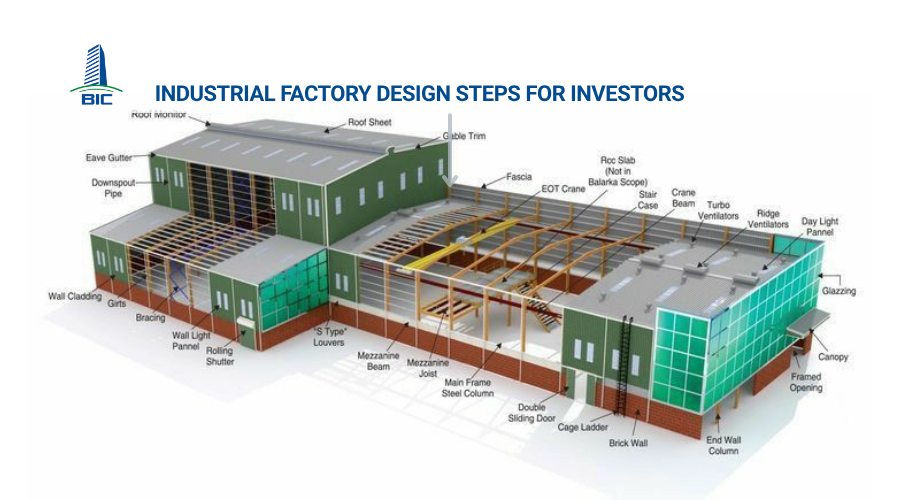
Industrial factories typically have large-scale, simple structures with metal roofs, expansive walls, and uneven heights, making them especially vulnerable to weather effects. During hot seasons, roofs and walls absorb heat intensely, raising indoor temperatures. During rainy seasons, leakage risks emerge from joints and structural cracks especially if no suitable treatment is applied early on.
Another common cause stems from errors in design and construction, such as:
- Inadequate consideration of climate and sun orientation during design.
- Using inappropriate materials or failing to include waterproofing and insulation layers from the outset.
- Poor execution or lack of protective layers during construction, leading to early deterioration.
Overlooking these factors can result in significant repair costs, decreased production efficiency, and safety risks. That’s why modern factory projects require integrated construction design approaches from the beginning.

Waterproofing should be systematically planned and incorporated from the design phase, rather than being treated reactively. Below are two key areas that require special attention:
The roof is the most exposed part of the building, subject to sun, rain, and wind making it highly prone to leakage if not properly protected. Depending on the roof type (metal or concrete), investors may choose from:
- PU (Polyurethane), Acrylic, or Bitumen-based waterproof coatings: Create a durable, elastic membrane that resists cracking and UV radiation.
- Torch-on or self-adhesive waterproof membranes: Ideal for flat or sloped concrete roofs, ensuring complete coverage.
These solutions are commonly applied in modern factory design projects especially for facilities with large or sloped roofs that demand high weather resistance.
Not only the roof, but also areas in contact with soil and rainwater such as floors, walls, and technical pits must be thoroughly waterproofed to avoid cracking, mold, and structural corrosion.
Common materials include:
- Cement-polymer waterproof mortar: Easy to apply and adheres well to concrete surfaces.
- PU or epoxy sealants: Used to treat cracks, construction joints, or complex technical details.
- Concrete waterproofing admixtures: Mixed directly into the concrete to enhance internal water resistance.
These components should be included in the technical design documents from the construction design phase. This ensures structural consistency and reduces future repair costs.

Indoor temperatures during hot seasons can rise to 38–45°C, severely affecting worker health, machinery performance, and product quality. Therefore, effective insulation is essential in modern factory design, especially in Vietnam’s tropical climate.
Metal roofs absorb the most heat in a factory. Some effective insulation solutions include:
- Insulation sheets (PE, PU, mineral wool, fiberglass): Installed under or between metal sheets, providing good insulation at a reasonable cost.
- Spray-applied PU foam: Creates a seamless, high-adhesion insulation and waterproofing layer. Suitable for large, prefabricated factories.
- Thermal-reflective coatings for metal roofs: A cost-effective solution for existing factories, reducing heat absorption.
Walls and partitions especially west-facing or sun-exposed ones can retain heat:
- PU, EPS, or rockwool insulation panels: Often used in cold storage facilities or food processing factories.
- Exterior thermal paint: Reduces surface temperatures of concrete walls by 5–10°C.
- Double-wall systems with air gaps: A sustainable solution often included in premium factory projects.
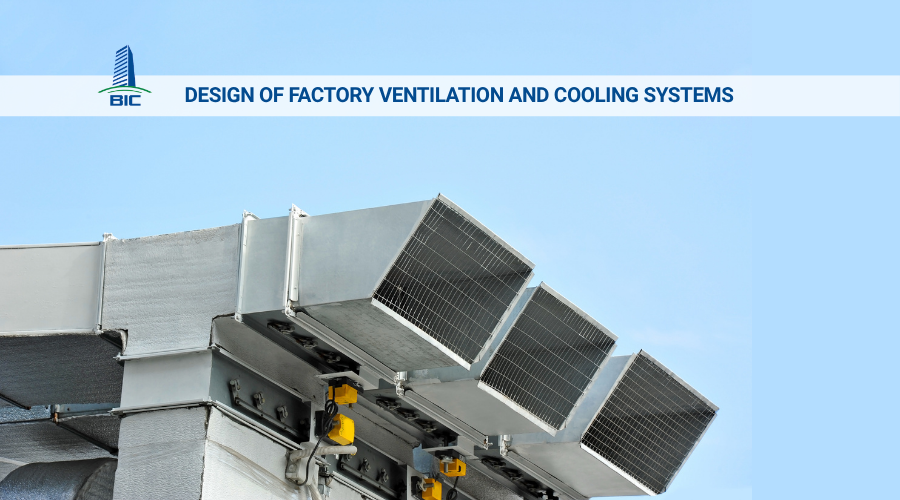
Beyond insulation materials, ventilation systems play a vital role in controlling temperature and humidity:
- Industrial ventilation fans and cooling pads: Common in large factories for effective air circulation.
- Natural ventilation systems: Incorporate vents, louvers, and thermal exhaust roofs into the factory’s design.
- Mist cooling systems: Provide instant cooling and energy savings for open production areas.
Depending on production needs, project scale, and location, insulation solutions should be carefully calculated and integrated early in the design phase to optimize initial investment and ensure long-term energy efficiency and environmental friendliness.

Choosing the right materials is key to extending the factory’s lifespan, minimizing operating costs, and preventing future problems. Material selection should be based on functional needs, installation location, and climate conditions.
|
Material |
Key Features |
Common Applications |
|
PU Waterproof Paint |
Highly elastic, strong adhesion, UV resistant |
Metal or concrete roofs |
|
Bitumen Torch-On Membrane |
Excellent waterproofing, durable in harsh conditions |
Concrete roofs, technical floors, industrial toilets |
|
Cement-polymer Waterproof Mortar |
Easy to apply, effective, economical |
Walls, water tanks, floors |
|
PU/Epoxy Crack Injection Sealant |
Targets cracks and joints for localized waterproofing |
Construction joints, pipe penetrations, technical zones |
|
Waterproofing Admixtures |
Mixed into concrete during construction |
Foundations, footing beams, water tanks, warehouse floors |
These materials should be incorporated from the design stage for better cohesion and cost efficiency later.
|
Material |
Technical Features |
Suitable Applications |
|
PE/PU Insulation Sheets |
Lightweight, effective insulation, easy to install |
Metal roofs, false ceilings |
|
Mineral Wool/Fiberglass |
Excellent sound and thermal insulation, heat-resistant |
Factories with high noise levels |
|
Spray PU Foam |
Combined insulation and waterproofing, strong adhesion |
Large concrete or metal roofs |
|
PU/EPS Insulated Panels |
High insulation, fast installation, aesthetic |
Cold storage, food processing plants |
|
Heat-Reflective Roof Paint |
Reflects sunlight, lowers roof surface temperature by 10–15°C |
Existing factories needing upgrades |
Proper material selection enhances insulation performance and helps meet energy-saving standards in modern factory designs.
Investing correctly in waterproofing and insulation not only stabilizes short-term operations but also brings long-term benefits throughout the lifecycle of the factory. This is a crucial factor that must be thoroughly considered in the design phase.
Factory structures are shielded from rain, moisture, and heat minimizing cracking, corrosion, and early deterioration. Roofs, walls, floors, and technical systems enjoy significantly longer service lives, especially in large-scale industrial projects.
By effectively controlling temperature and humidity, waterproofing and insulation systems ease the load on cooling, air-conditioning, and ventilation equipment. This also reduces ceiling, roof, and wall damage, limiting repair expenses.
Excessive heat or moisture can damage machinery, compromise product quality, and harm stored goods. Reliable waterproofing and insulation act as a protective barrier for these valuable assets.
A cool, dry working space promotes worker productivity and reduces health risks. This is increasingly important in sustainable, modern factory models.
Although initial investment in waterproofing and insulation may be higher, it leads to long-term savings on repairs, maintenance, and production losses making it a smart, long-term strategy.
In short, a professional factory design that considers thermal and humidity control from the beginning lays the foundation for sustainable, efficient, and profitable operations.

As a specialized industrial factory design construction company, BIC provides end-to-end solutions from drawings to fully completed buildings incorporating essential technical factors such as waterproofing, insulation, ventilation, and cost optimization.
We understand that a sustainable factory is not only about solid structure but also about withstanding harsh environments and meeting stringent technical standards.
Our Services Include:
- Surveying and custom factory design consulting: Analyze production specifics, functional zoning, humid areas, and propose suitable waterproofing and insulation strategies.
- Full technical design documentation: Architectural, structural, MEP, fire safety drawings with integrated protective layers for roofs, walls, and floors.
- Turnkey factory construction with quality commitment: Experienced engineers and supervisors ensure progress and quality especially for roofs, floors, and cooling systems.
- Material consultation for each category: Recommend heat-reflective paint, PU panels, spray foam, Bitumen membranes based on budget and project scale.
- Clear warranty policy and post-construction support: Provide ongoing maintenance to preserve long-term waterproofing and insulation performance.
At BIC, we believe that “Building a factory is not just for production, but to build a long-term strategic foundation.” That’s why technical quality and investment efficiency are always top priorities in our projects.
Integrating these protective systems from the design phase is a smart investment strategy that gives your business a head start in building a sustainable foundation. Choose a reliable, experienced design-build partner with solid technical know-how to bring your factory project to life efficient, durable, and future-proof.
Contact us today for a free consultation and on-site survey. BIC is ready to accompany your business from the first drawing to full operation.