An industrial facility is a structure designed to support the production, assembly, and storage activities of a business. Designing and constructing a high-quality industrial facility not only ensures the durability and safety of the building but also plays a crucial role in enhancing production efficiency and minimizing operating costs. A well-designed facility optimizes workspace and creates a conducive environment for employees, improving labor productivity. So, what specific benefits can a high-quality industrial facility bring to a business?
Quality design and construction of industrial facilities provide numerous practical benefits for businesses, from economic efficiency to improved working conditions.
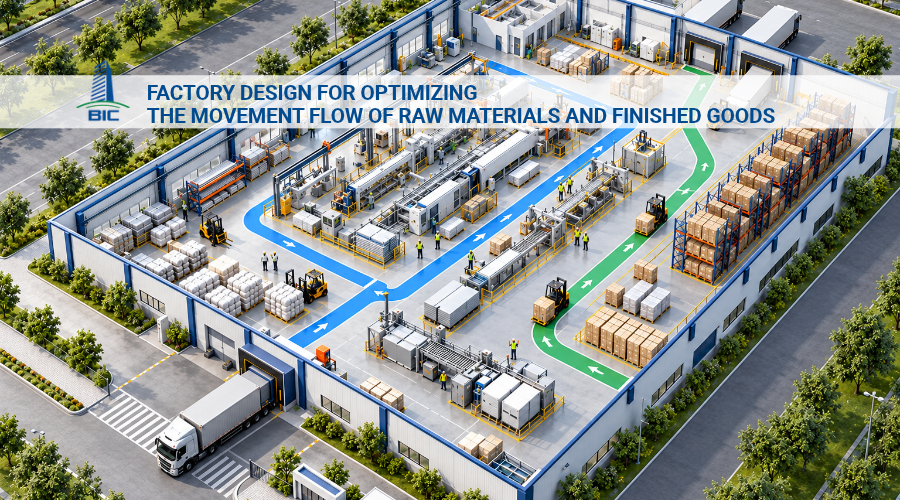
- Enhanced production efficiency: Rational and optimized design increases production efficiency by maximizing space and creating more efficient workflows. When production, storage, and transportation areas are scientifically arranged, workers can operate quickly and efficiently, reducing waiting times and unnecessary movements.
- Application of automation technology: Automation systems enhance work productivity and minimize errors in production processes. Automation also helps save labor costs. Using sustainable materials and modern technical systems reduces breakdowns and incidents, extending the building's lifespan and reducing the frequency and cost of repairs.
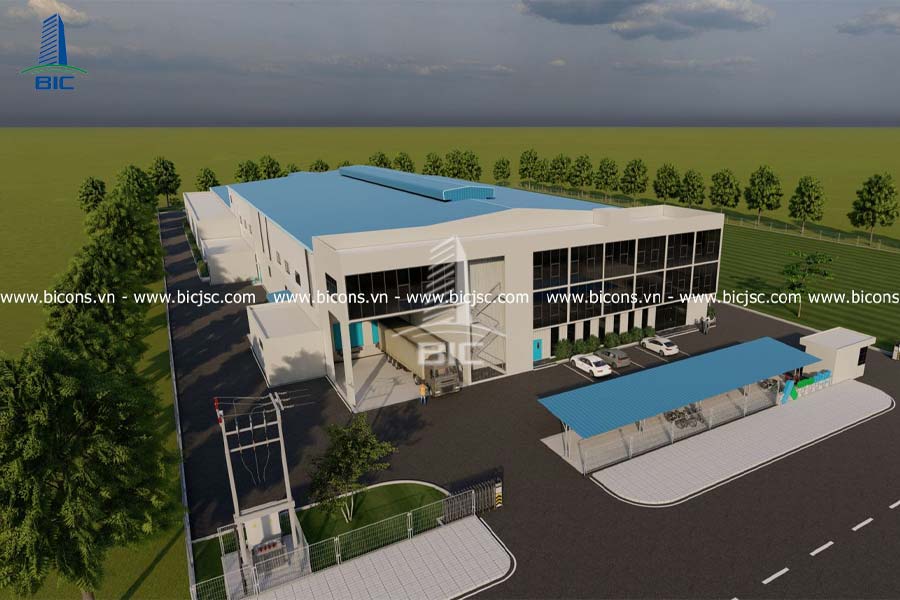
The benefits in terms of business operations when a facility is designed and constructed with quality:
- Optimization of facility space: A rational design arranges production, storage, and transportation areas scientifically, maximizing available space and minimizing waste. This not only facilitates efficient operation of workers and machinery but also increases the capacity for storing goods and resources.
- Increased durability and lifespan of the building: Using sustainable building materials and advanced technology enhances the building’s resistance to weather and environmental factors, reducing degradation over time. This helps save on maintenance and repair costs and ensures the facility can operate long-term without significant issues.
- Ensuring safety and quality standards: The design and construction of the facility must comply with technical standards and safety regulations to protect workers and equipment. This includes installing fire prevention systems, escape routes, and other safety measures. Ensuring safety and quality standards not only prevents accidents and incidents but also creates a reliable and efficient working environment.
Quality design and construction of industrial facilities also offer many environmental benefits, contributing to the protection and improvement of the surrounding environment.
- Reduction of emissions and environmental pollution: Facilities designed with efficient ventilation and air filtration systems help minimize the emission of pollutants into the environment. Using clean technologies and environmentally friendly production processes also contributes to reducing harmful emissions and negative impacts on air quality.
- Use of environmentally friendly materials and technologies: Choosing building materials that are recyclable or biodegradable, along with energy-saving technologies and waste minimization, helps reduce carbon emissions and protect natural resources. This not only contributes to environmental protection but also helps businesses meet environmental certification requirements and enhance social responsibility.
- Effective waste management and treatment systems: Good waste management systems help classify, collect, and treat waste safely and efficiently. This not only minimizes the negative impact of waste on the environment but also contributes to recycling and reusing resources, reducing the need for landfill waste treatment.
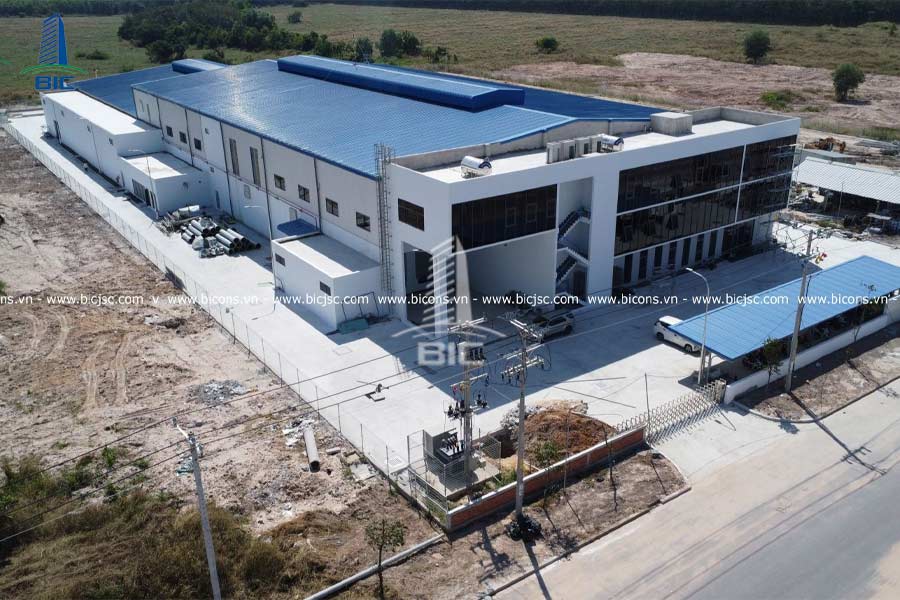
The benefits of creating a good working environment positively impact business operations.
- Improvement of working conditions for workers: Designing and constructing facilities with efficient ventilation systems, adequate lighting, and spacious workspaces helps workers operate in a more comfortable environment. This reduces fatigue and stress and enhances worker health.
- Creating a safe and healthy working environment: Facility design must include safety measures such as fire prevention systems, escape routes, and personal protective equipment. A safe working environment reduces the risk of workplace accidents and protects workers' health.
The legal benefits of quality facility design and construction play a crucial role in protecting businesses from legal risks.
- Compliance with safety, environmental, and labor health regulations: Ensuring the facility meets legal requirements helps avoid potential legal consequences.
- Obtaining necessary permits and certifications: Properly designed and constructed facilities meet the requirements for building permits, fire safety certifications, and environmental certifications. Having all necessary permits and certifications helps businesses operate legally and builds trust with customers and partners.
- Minimizing legal risks: Adhering to legal regulations and obtaining necessary permits helps businesses avoid fines, legal actions, and potential disputes.
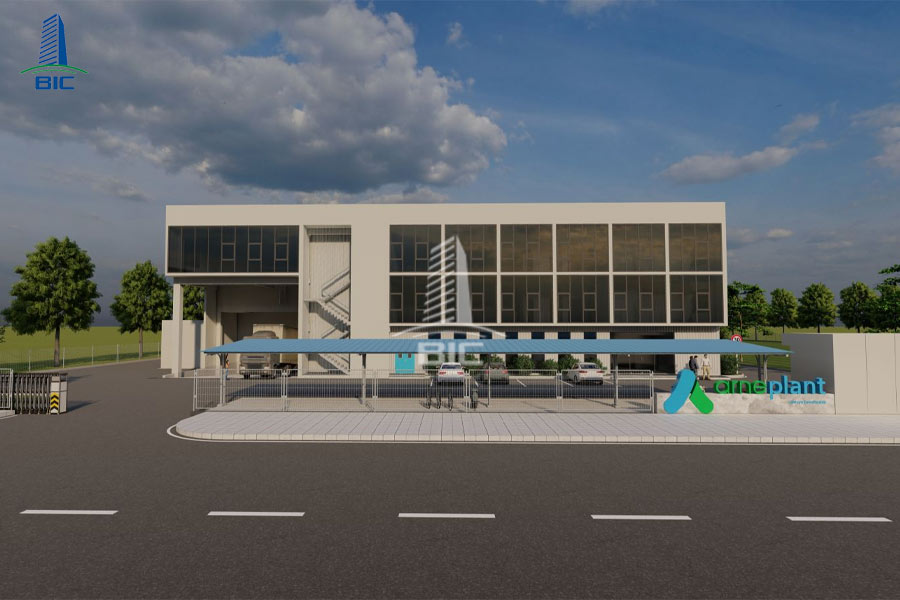
When designing and constructing an industrial facility, several important factors must be considered to ensure the building meets requirements and operates efficiently.
- Production Scale The scale and nature of production are key factors in facility design. Determining the production scale, product types, and applicable production technologies influences the facility’s structure and layout, impacting operational efficiency and building functionality.
- Safety and Hygiene Requirements Safety and hygiene requirements must be strictly followed in facility design. These requirements can vary depending on the type of production and industry specifics. Ensuring workplace safety and industrial hygiene standards not only protects worker health but also maintains a clean and efficient working environment.
- Environmental Factors Environmental factors cannot be overlooked in facility design. The construction site should be chosen to suit climate conditions and avoid negative impacts on the surrounding environment. This ensures sustainable facility operation and minimizes adverse effects on the local ecosystem.
- Budget Budget is a decisive factor in selecting design solutions for the facility. Clearly defining the budget helps investors choose appropriate design and technology options while ensuring the project stays within financial limits and meets technical and functional requirements.
Investing in quality industrial facility design and construction is a strategic decision that businesses should consider for sustainable development and effective competition. This not only optimizes capacity and minimizes long-term costs but also enhances the business’s image and reputation in the market. To ensure your facility design and construction project achieves optimal benefits, contact BIC. We are proud to be a reputable and experienced design and construction firm.