Selecting a construction contractor for factory construction is a crucial step in determining the success of your project. A reliable contractor not only ensures the project's timeline and quality but also helps you save costs and avoid unnecessary risks. In this article, BIC will guide you on how to choose a construction contractor through specific and detailed criteria. Let’s explore to ensure your project is carried out in the most professional and efficient manner.
To ensure your factory project is executed smoothly and meets high standards, selecting the right construction contractor is vital. Here are some fundamental criteria to consider:
- Experience and Technical Expertise: A contractor with extensive experience in the construction industry is likely to understand the processes and potential issues that may arise. They can also provide optimal solutions for your project.
- Customer Reviews: Seek feedback from previous clients who have worked with the contractor. Positive reviews regarding work attitude, professionalism, and project outcomes are signs of a reliable contractor.
- Quality of Completed Projects: Review past projects completed by the contractor to assess their quality. A construction contractor should have a portfolio of successful projects.
When choosing a contractor, relying on these criteria will help you find a suitable partner, ensuring that your factory construction project is carried out with quality and efficiency.
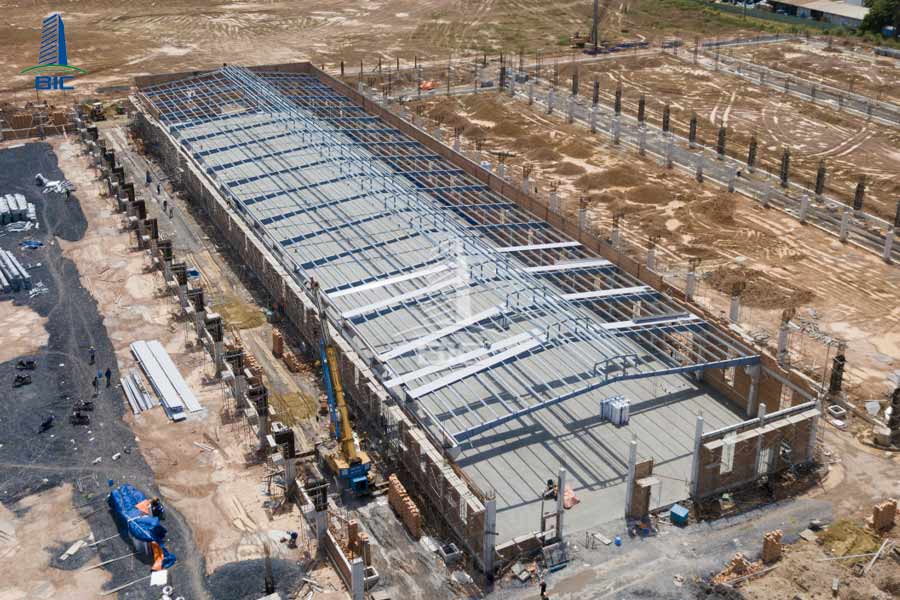
Checking the financial capability of the contractor is crucial to ensure your project runs smoothly and achieves good results. Here are some reasons why this is necessary:
- Ensuring Construction Progress: A contractor with good financial capability will ensure resources and materials are readily available, helping the project complete on schedule. If a contractor lacks financial resources, the project may be delayed or interrupted.
- Ensuring Quality of Work: Financially strong contractors can afford high-quality materials and skilled labor. This ensures your project meets the desired quality standards.
- Minimizing Financial Risks: If a contractor encounters financial difficulties during construction, they may not complete the project or could cause legal issues. Checking their financial capability helps minimize these risks.
- Commitment to Project Completion: A financially stable contractor is more likely to honor commitments related to warranties and maintenance after project completion, providing long-term peace of mind.
- Enhancing Reputation and Trust: A contractor with a transparent and strong financial record often has a higher reputation in the market, increasing your confidence in their ability to deliver.
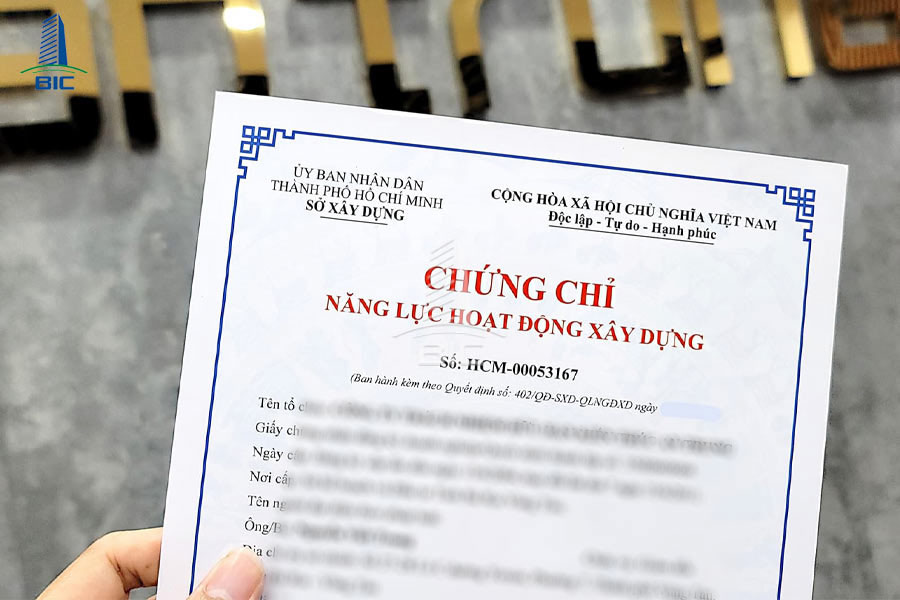
One crucial step in selecting a reputable contractor for factory construction is to check their licenses and relevant certifications. These are evidence that the contractor has the legal and professional qualifications to carry out your project:
- Construction License: The contractor must have a valid construction license issued by the relevant authorities. This ensures they comply with legal regulations and industry standards.
- Relevant Certifications: Besides the construction license, the contractor should have other certifications such as construction competency certificates, occupational safety certificates, and other relevant qualifications for factory construction. These certifications indicate that the contractor has good quality and safety management systems, ensuring worker safety and construction quality.
Thoroughly checking the contractor's licenses and certifications not only assures you of legal compliance but also confirms that the contractor is capable and committed to executing the project professionally and safely.
- Construction Steps: Ensure the contractor provides a detailed plan outlining each step in the factory construction process. This helps you understand the phases from preparation, foundation work, steel structure installation, building completion, to inspection and acceptance.
- Completion Time for Each Step: Ask the contractor to specify the estimated time for completing each stage of construction. This gives you an overview of the project’s progress and helps you track and monitor the construction timeline.
- Quality Assurance Measures: Request the contractor to list the specific measures they will use to ensure the quality of the construction. This includes material inspections, quality control processes at each stage, and the quality standards they will adhere to.
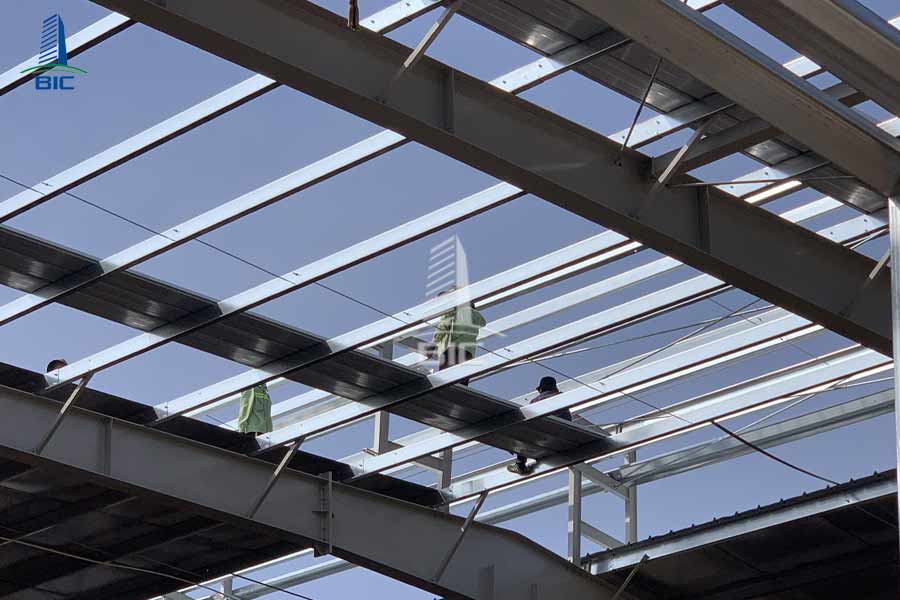
- Timeline Matching Needs: Discuss thoroughly with the contractor to agree on the factory construction timeline, ensuring it aligns with your production and business plans. This helps you optimize the use of the factory once completed, avoiding unwanted delays and interruptions.
- Contractor’s Commitment: Ensure the contractor commits to the agreed timeline and has measures in place to address any delays.
- Payment Schedule: Clearly outline the payment terms in the construction contract to protect your interests. This includes defining payment milestones tied to the completion of specific stages of work, helping you control costs and ensuring the contractor meets their commitments.
- Payment Conditions: Define conditions for payment, such as inspections and acceptance of work before each payment installment, to ensure you only pay when work meets the required quality and progress.
The warranty and post-construction support policy are important factors to consider when choosing a contractor. A good contractor will provide a clear warranty policy and post-completion support services, ensuring you are satisfied with the quality and long-term performance of the construction:
- Warranty Duration and Conditions: The contractor should commit to a specific warranty period for the project. This typically ranges from 1 to 5 years, depending on the scale and nature of the project. Warranty conditions should also be clear, including what is covered and what is not.
- Post-Construction Support: In addition to the warranty, the contractor should offer post-construction support services, such as regular inspections, repairs, and maintenance advice. This ensures the construction remains effective and minimizes future repair costs.
- Issue Resolution and Feedback: A reputable contractor will have a process for promptly addressing and resolving issues. They should have a customer support team ready to handle and resolve any problems that arise efficiently and promptly.
Carefully reviewing the warranty policy and post-construction support services will help you select a responsible contractor, ensuring construction quality and peace of mind throughout the use of the facility.
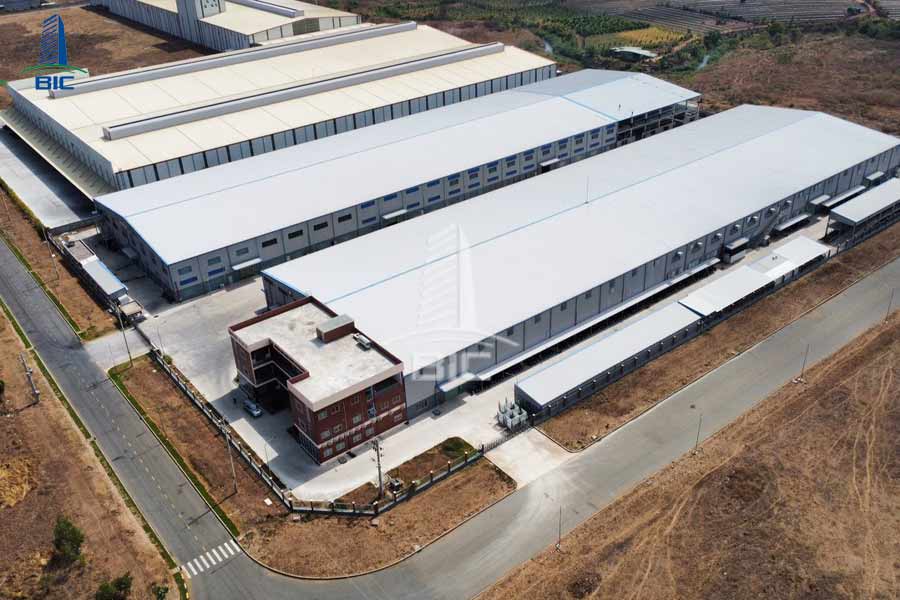
Choosing a construction contractor for factory construction offers several significant benefits, ensuring your project is executed efficiently and to a high standard:
- Ensuring Quality Construction: An experienced and skilled contractor ensures that each phase of construction is performed according to standards and quality materials are used. This results in a durable, safe, and technically sound structure.
- Saving Time and Costs: With a professional work process and clear plan, the contractor helps you save time and reduce unexpected costs. They can anticipate and address issues quickly, avoiding unnecessary delays.
- Ensuring Construction Timeline: A reputable contractor will commit to completing the project on schedule, aligning with your business and production plans. This allows you to start operations sooner and optimize efficiency and profitability.
- Post-Construction Support and Warranty: A good contractor offers clear post-construction support and warranty policies, ensuring you are satisfied with the construction quality over time. They are ready to respond and resolve any arising issues, ensuring your satisfaction.
- Enhancing Brand Value and Reputation: Using a reputable contractor helps enhance your brand value and reputation with partners and customers. A high-quality project not only meets production needs but also demonstrates your investment and commitment to quality.
Choosing a construction contractor for factory construction is a crucial decision that greatly impacts the success of your project. Thoroughly evaluating and discussing criteria with the contractor will help you optimize costs, minimize risks, and ensure satisfaction throughout the process. Investing time and effort in selecting the right contractor will provide long-term benefits for your project and contribute to the value and reputation of your business.
Contact BIC today; we proudly stand as a leading general contractor in the field of industrial factory construction.