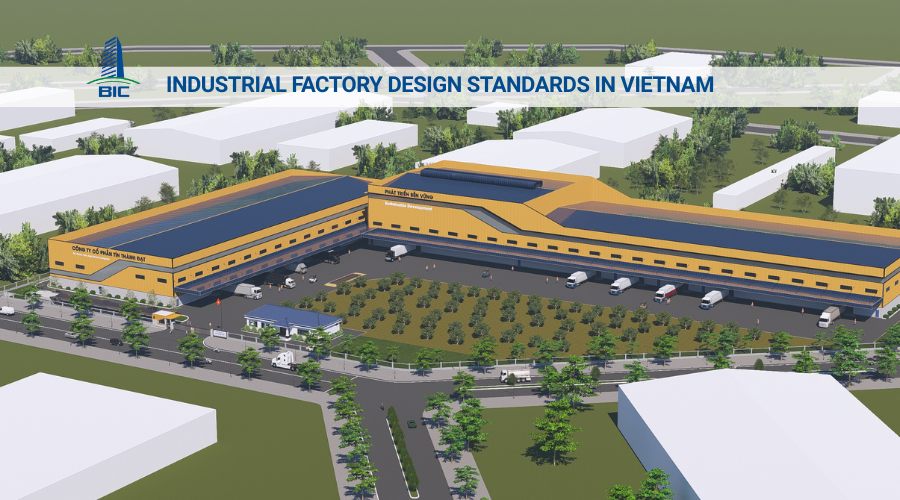
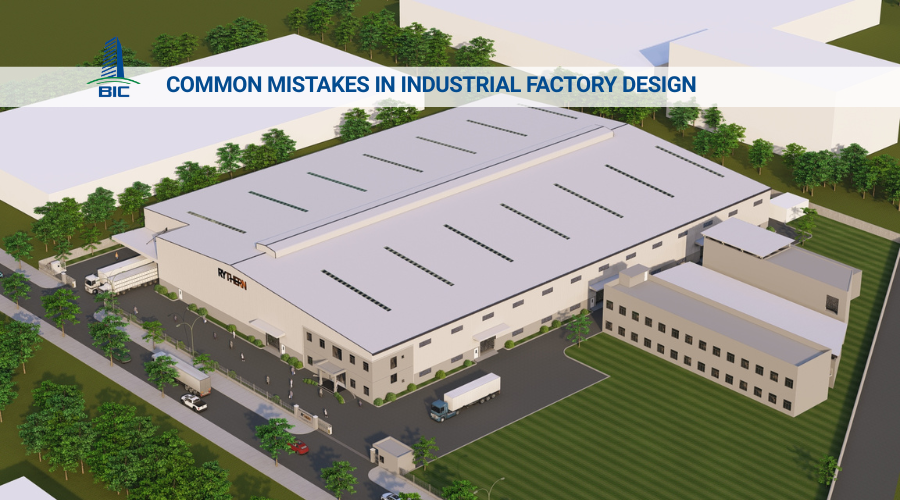
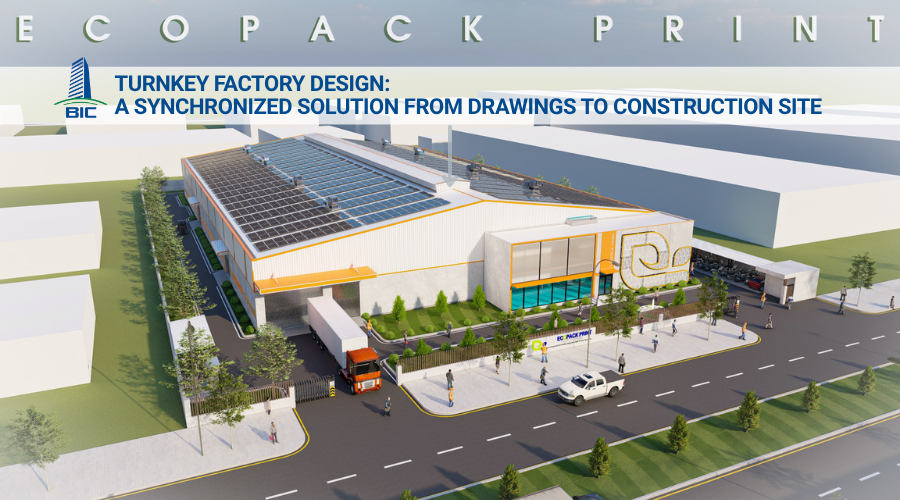
This is a necessary job and needs to be followed by a number of principles for maximum efficiency, as this is an important step in the process of building a professional warehouse. By taking advantage of good warehouse design capabilities, businesses optimize warehouse design management, optimize free space, and optimize storage areas. From there, bring the best results for the business.
Currently, in any industry (industry, export, transportation, ...) there is also a need for a storage rack. Therefore, warehouse design is considered extremely necessary and important in creating a modern warehouse space for industrial warehouses, manufacturing and processing factories or frozen warehouses, etc.
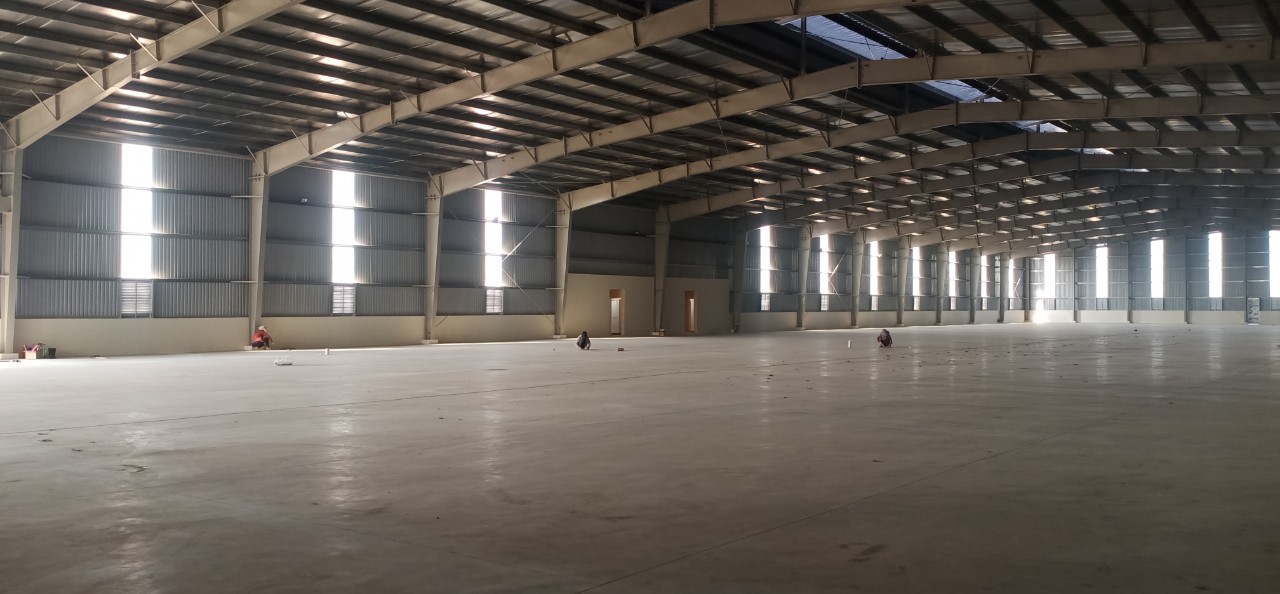
- Helps to arrange goods in the warehouse with the least amount of space and convenient for picking up goods.
- Make the operation and warehouse management process more transparent and easier.
- Goods are circulated, ensuring uninterrupted production process.
- Goods are preserved, minimizing damage and loss in order to maximize the cost of purchasing supplies and raw materials.
- Save the cost of hiring many workers in the process of warehouse management and cleaning.
What do units and businesses need to determine the goal of building a warehouse for? Thereby ensuring appropriate factors in the warehouse design process such as: size, ratio of indoor to outside warehouses, what kind of goods are stored in the warehouse, the structure of the warehouse, etc.
The location of the warehouse also needs to comply with the principle, that is, it should be based on Outbound Logistics - Output logistics related to the movement of goods from the final point of the production line to the customer.
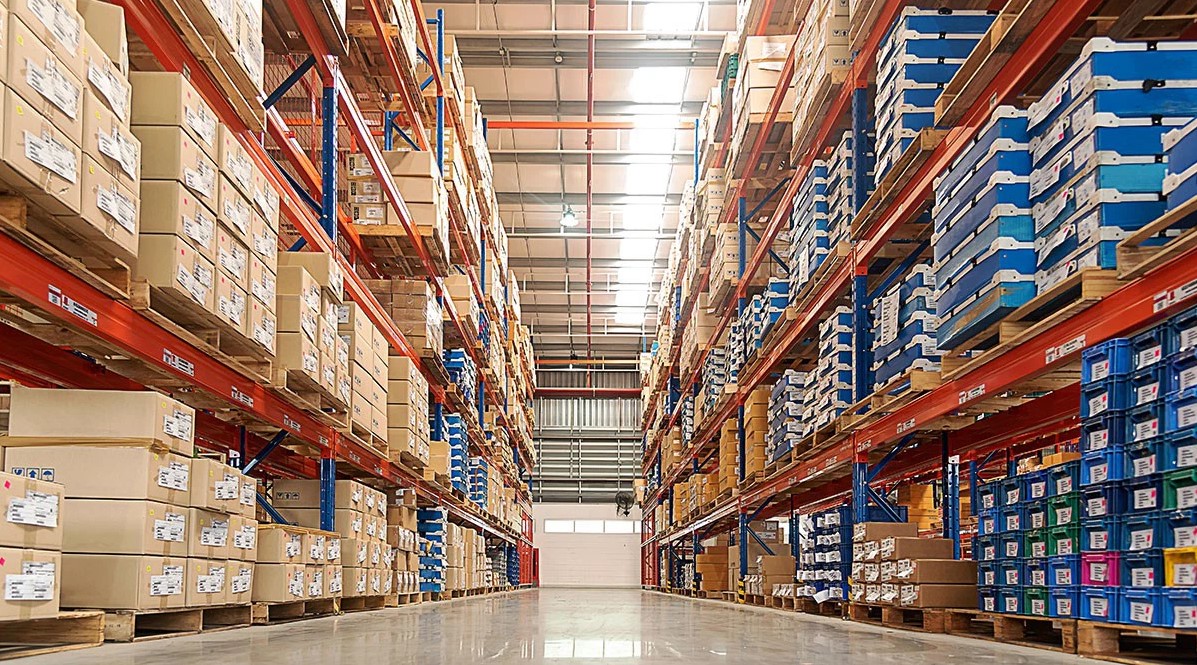
Therefore, when designing unit warehouses, businesses should choose their warehouse location near shipping companies to make it easier to quickly transport goods to customers. However, also pay attention to creating convenience for the supplier side. If you can harmonize these two factors, it will make it easier for your warehouse to operate smoothly and conveniently.
Businesses need to list a few questions before embarking on a design such as:
- What activities will take place in the warehouse?
The activities taking place in the warehouse will include the following: receiving, storing, selecting, packing and sending, etc.
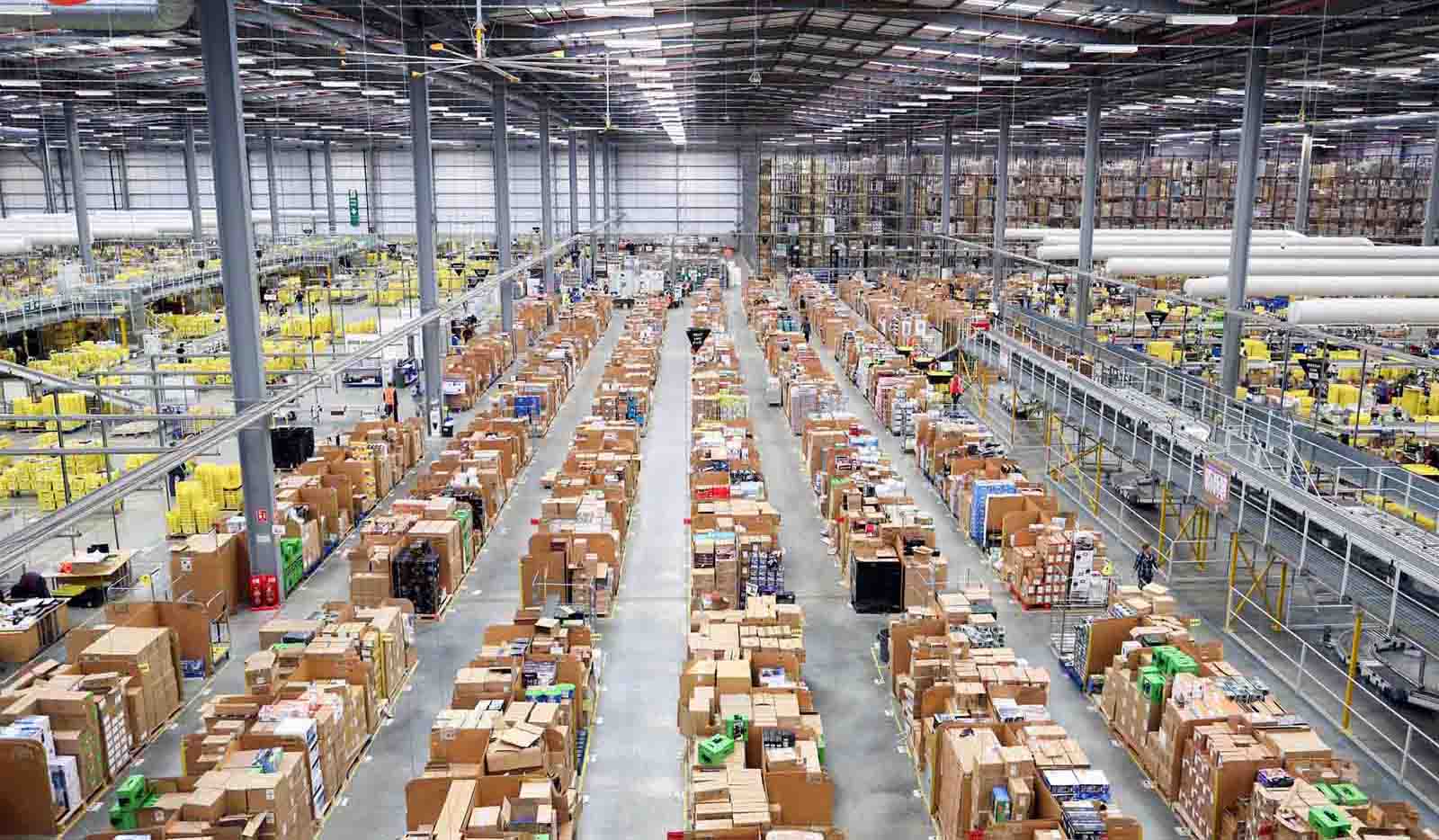
- Features of the product?
+ Need to understand what goods and products will be stored in the warehouse?
+ Should goods be stored on the floor or on the shelves?
+ Are there fragile or perishable goods that need to be handled?
+ Do you need to comply with any regulations when importing and exporting goods?
- Are the goods seasonal?
Need to determine if the goods in stock are seasonal? From there, design the warehouse enough to allow the highest storage capacity during peak times to avoid excess during non-peak months.
- Do returned goods need to be handled?
If the warehouse of your unit or business has to regularly handle returned orders, when designing the warehouse, it is necessary to design more space specifically for storing and handling those orders to ensure goods returns are not backlogged.
FAST – an acronym that stands for the following four elements:
F – Flow
A sequence of logically planned activities in a warehouse that requires uninterrupted movement between the flow of materials, people, and goods.
A – Accessibility
Accessibility requires that from goods to necessary tools, everything needs to be accessed as quickly as possible to optimize efficiency.

S – Space (Space)
Optimal space will be the premise for smooth and efficient warehouse operations. Currently, businesses have made optimal use of warehouse space by using and installing shelving systems to store goods, ...
T – Throughput
Throughput is the process by which goods interact with the warehouse space. Therefore, when businesses, warehouse design units need to pay attention to the periods of highest demand so that production can always be increased to the maximum.
The basic process system consists of 8 steps to produce a warehouse design that optimally fits all the criteria mentioned above. Business owners need to pay attention in the process of working with the design unit.
1. Clearly define requirements and constraints in the design process.
2. Collect basic information.
3. Clearly define elements for planning.
4. Warehouse operation principles need to be clarified.
5. Assess the properties of equipment required in the warehouse.
6. Design layout of warehouses according to areas.
7. Calculation of equipment, staff, quantity of goods
8. Estimated design cost
The above are shared around the topic of warehouse design for businesses, in short, in order for businesses to own a modern warehouse with many functions, smooth operation, it is necessary to follow the suggested principles to ensure professionalism and safety.