In the context of modern industrialization, designing and constructing industrial factories plays an extremely important role. A professional design and construction process not only ensures aesthetics and usability but also optimizes costs and construction time.
In this article, join BIC to explore each step of the professional industrial factory design and construction process, from the initial survey phase to the handover of the completed project. Let's discover and grasp the key factors to create an industrial factory that meets all technical standards and the most stringent requirements.
The first step in the industrial factory design and construction process is research and current state survey. This is an important phase to clearly understand the customer's requirements as well as the actual conditions of the land intended for construction. Thorough surveying helps identify factors such as geology, climate, technical infrastructure, and surrounding environmental conditions.
At the same time, this process also includes analyzing specific customer requirements regarding scale, usage functions, and necessary technical standards. By conducting detailed research and surveys, you will have a solid foundation to effectively and accurately implement the next steps in the design and construction process.

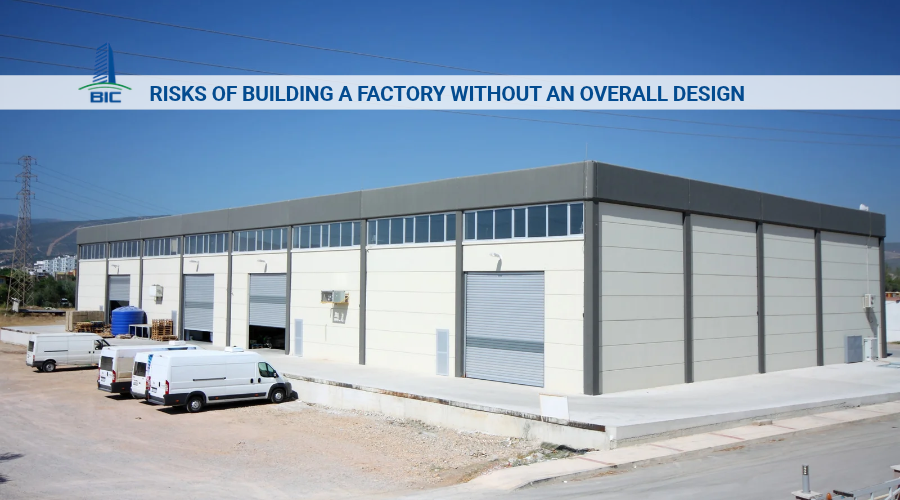
Based on the survey results, architects will develop a detailed design plan to ensure the project is effectively implemented. The design plan includes dividing the work into clear phases: preliminary design, technical design, and construction design. Each phase needs to be carried out according to the specified sequence and timeline to ensure the project's quality and progress.
Additionally, determining and applying construction design standards is very important, including adhering to current construction standards and labor safety regulations. This not only ensures that the design meets technical requirements but also contributes to protecting worker safety and the surrounding environment.
In the design process, the preliminary design and detailed design phases play crucial roles in shaping and finalizing the industrial factory construction project. After the preliminary design is approved, the next step is detailed design, where drawings and models are completed with specific information on structures, mechanical and electrical systems, materials used, and other technical requirements.
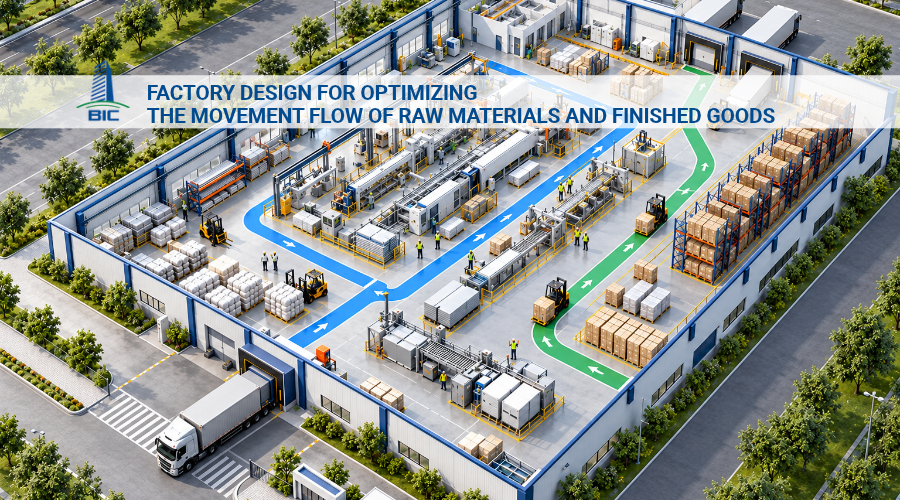
- Preliminary Design: creates general drawings and models to determine the basic structure, functional zones, and main design elements. This phase helps visualize the scale and function of the factory clearly, providing a basis for discussion and adjustment with the customer.
- Detailed Design: includes meticulous technical drawings, describing construction methods and safety standards, ensuring that all elements are integrated accurately and effectively to prepare for the construction phase.
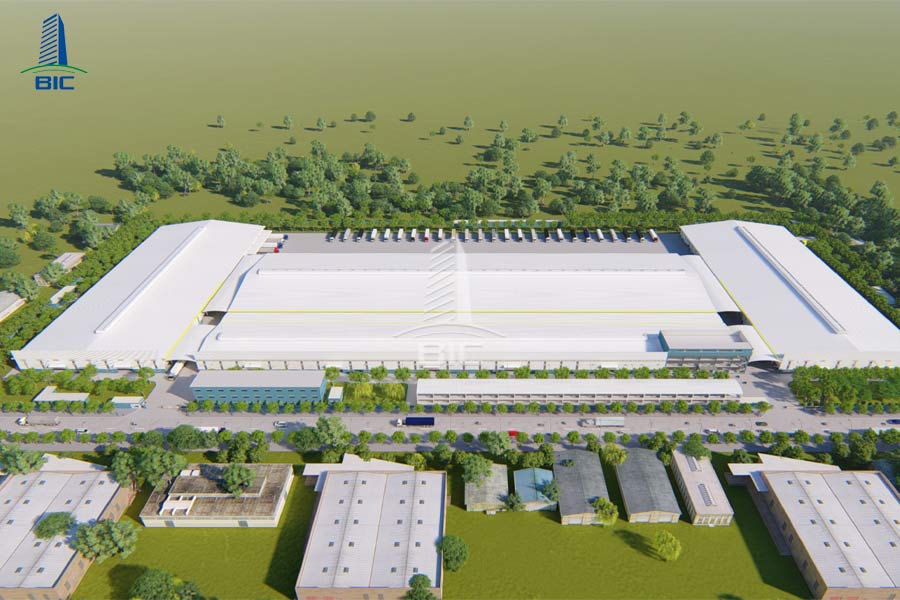
Cost estimation and project planning are important steps to ensure that the industrial factory design and construction project is carried out within the expected budget and timeframe.
During the cost estimation phase, detailed calculations of costs related to design, materials, equipment, labor, and other arising costs are necessary. This includes building a comprehensive cost estimate, allocating the budget for each part of the project, and setting aside contingency funds for unforeseen situations.
After completing the cost estimation, the next step is project planning, which involves building an overall plan including key milestones, construction phases, and risk management plans. Project planning also includes:
- Establishing criteria for evaluating project progress and effectiveness
- Ensuring that all necessary elements are prepared and all stakeholders are clearly informed.
Accurate cost estimation and project planning help control the budget, minimize risks, and ensure that the project is completed on time and meets quality requirements.
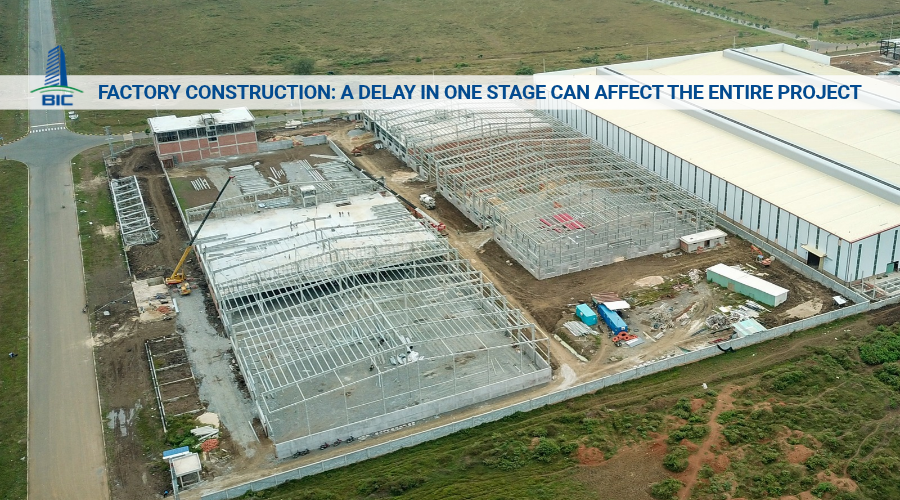
Construction management and supervision is the phase that ensures the industrial factory design and construction project is carried out according to the design, schedule, and quality standards. In this phase, construction management includes:
- Developing detailed plans for each construction phase
- Assigning tasks to contractors and workers
- Monitoring the progress of the work.
At the same time, construction supervision involves checking and evaluating the quality of work, ensuring that technical regulations and labor safety standards are strictly followed.
Close coordination among stakeholders, including contractors, engineers, and inspection parties, is crucial to timely detect and address arising issues. By maintaining continuous supervision and implementing adjustment measures when necessary, construction management ensures that the project is completed on schedule, achieving high quality and meeting all customer requirements.

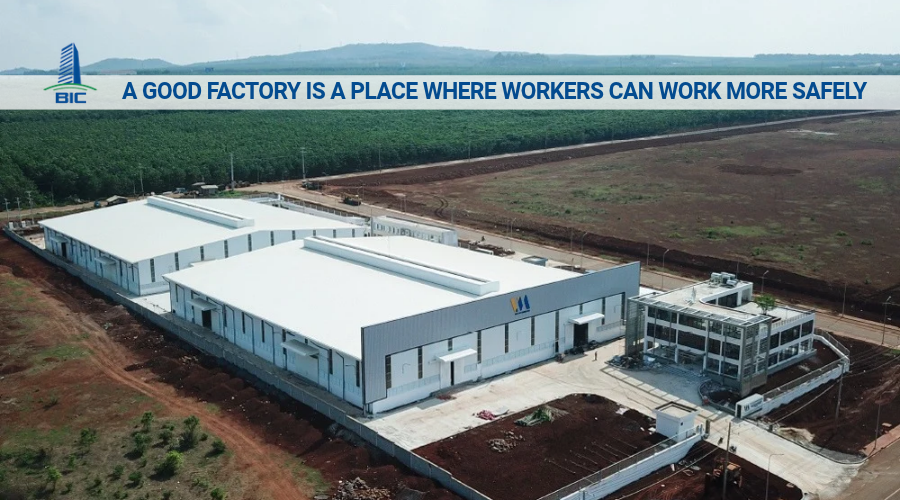
The handover and warranty phase is an important step to complete the industrial factory design and construction project and ensure that the facility operates stably and efficiently. After construction is completed, the handover process includes inspecting and confirming that all design requirements have been fully implemented, the quality of the construction meets standards, and all systems operate as expected.
The technical team will conduct final inspections, provide usage and maintenance instructions to the customer, and ensure that all related documents are fully transferred. At the same time, the warranty phase ensures that any issues arising after handover will be promptly addressed.
During the warranty period, the contractor is responsible for fixing technical errors, repairing or replacing parts of the construction if necessary, and providing technical support services to maintain optimal performance. Fully fulfilling warranty obligations not only helps maintain customer satisfaction but also builds long-term trust in the cooperation relationship.
The industrial factory design and construction process is a complex process that requires precision and meticulousness at each step. Implementing all these steps synchronously and professionally not only helps complete the project on time and within budget but also contributes to building customer trust and satisfaction. Ensuring project success requires close coordination and commitment from all stakeholders, from design to construction and maintenance.