When embarking on the construction of any project, the first indispensable step is preparing complete design drawings. For factories, these design drawings provide all the necessary information to ensure the project is completed perfectly. So, what should a professional factory design drawing include? What are the core elements that must be present in factory design drawings? Let’s explore these details with BIC right now.
A factory design drawing is a detailed technical document that outlines the entire structure and system of a factory. It is an essential document in the construction process, including architectural drawings, structural drawings, electrical, water, ventilation systems, and other technical systems.
Each drawing plays a crucial role in shaping the overall project, ensuring technical standards, safety, and optimizing the construction process. The factory design drawings provide detailed information about dimensions, materials, and the layout of the factory components, ensuring that the project is built according to plan and meets all functional requirements.
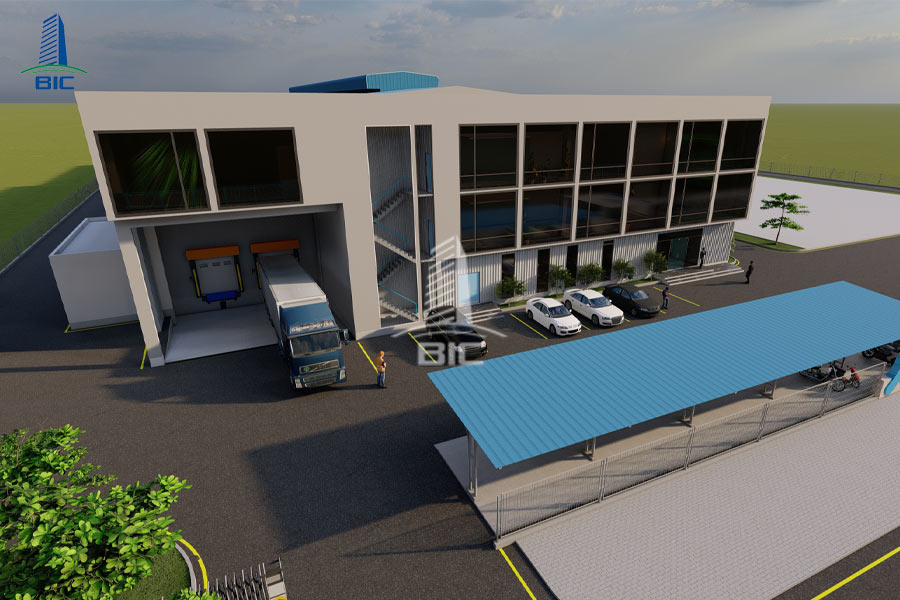
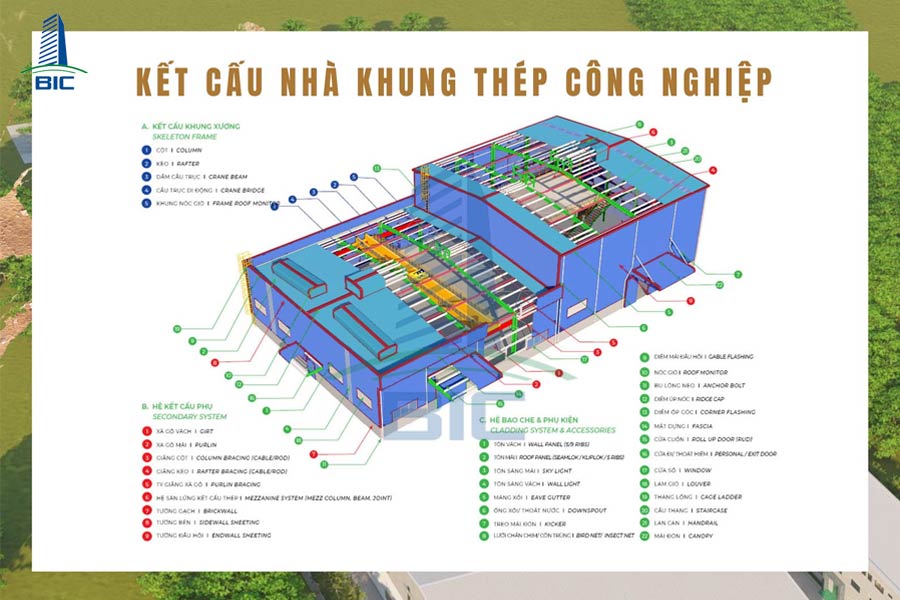
The construction of an industrial factory cannot be represented on a single drawing. Each structure, area, and detail needs to be depicted through a series of factory design drawings, from general to specific. The sequence of drawings must be arranged scientifically, following the principle from overview to detail, from outside to inside, and from top to bottom. To complete a pre-engineered steel factory, the following design drawings are required:
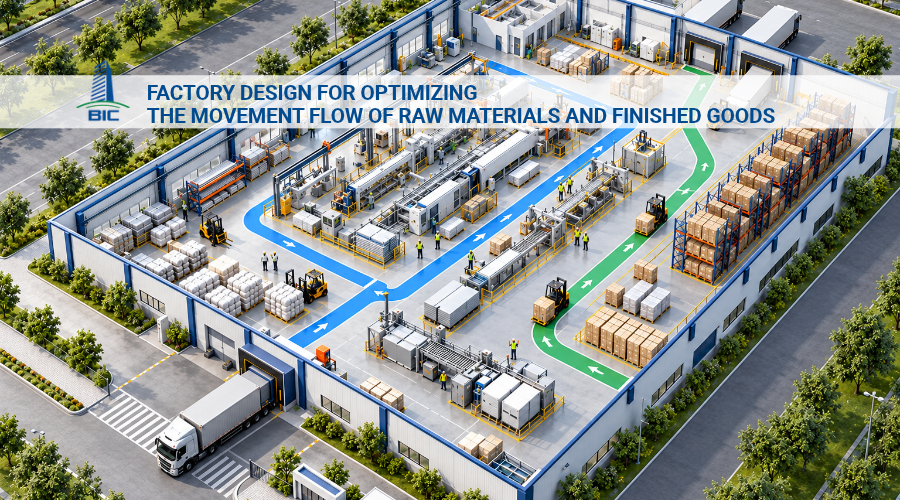
The overall layout plan is one of the most important documents in the factory design process. This drawing provides an overview of the entire construction area, including the locations of buildings, production areas, warehouses, and auxiliary areas such as offices, parking lots, and emergency exits.
The overall layout plan not only helps to determine the reasonable arrangement of functional areas but also ensures the connection between parts of the factory, optimizing traffic flow and efficient use of space. A clear and detailed overall layout plan is key to achieving smooth coordination between areas and ensuring the project meets production and operational requirements.
Architectural drawings represent the entire shape, layout, and details of the factory. This is the first step in realizing the factory design idea, including floor plans, elevations, and sections of the project.
- Floor Plans provide a top-down view, showing the arrangement of interior spaces such as production areas, offices, warehouses, and auxiliary areas.
- Elevations depict the height and exterior shape of the factory, helping viewers easily visualize the overall architecture.
- Sections show the internal structure, from the column system, beams to building materials.
A detailed and accurate set of architectural drawings forms the foundation to ensure the factory is built according to plan, meeting all technical and aesthetic requirements.
Structural drawings are the core documents in factory design, detailing the frame and load-bearing structure of the project. These drawings include plans for foundations, columns, beams, floors, and roofs, ensuring that the factory can withstand loads and external impacts such as wind, earthquakes, and deformation over time.
Structural drawings not only provide precise technical specifications regarding dimensions and materials but also clearly indicate how to install and connect structural components. Detailed and accurate structural drawings are crucial to the durability and safety of the factory, ensuring the project operates stably and lasts over time.
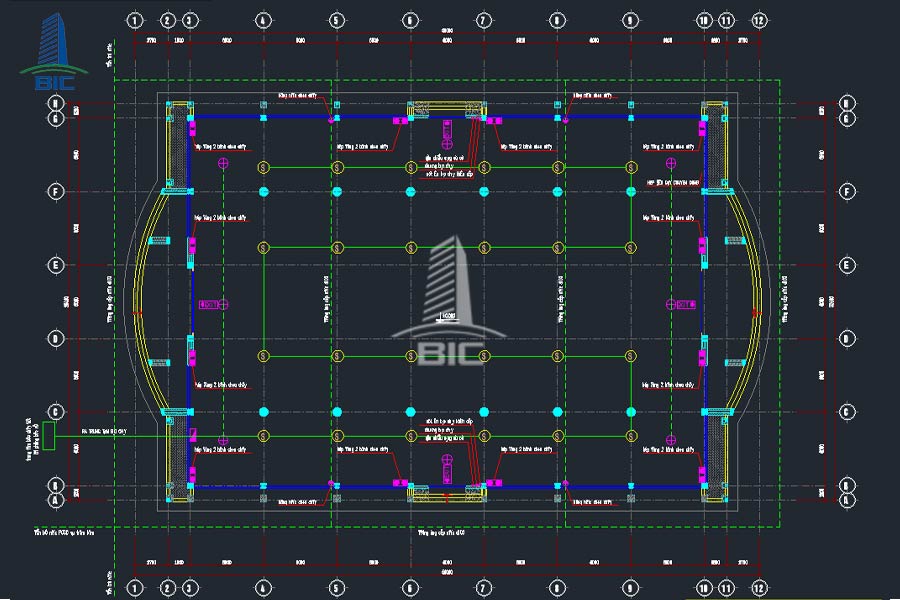
Electrical and lighting system drawings in factory design ensure that all production and operational activities are supported by a stable and efficient electrical system. These drawings include layouts of the electrical system, installation details of electrical equipment, and lighting systems for the entire factory.
The electrical system drawings also specify the locations of electrical panels, switches, outlets, and wiring, along with optimal lighting solutions, creating a safe and convenient working environment. A scientifically designed electrical and lighting system drawing not only helps save energy but also ensures the factory operates efficiently, minimizes electrical safety risks, and optimizes operating costs.
Water supply and drainage system drawings in factory design ensure a stable supply of clean water and effective wastewater treatment. These drawings detail the water supply pipes, drainage pipes, tanks, and wastewater treatment equipment. The water supply and drainage system also clearly define the location and size of pipes, pathways for clean and wastewater, along with leak and blockage prevention measures.
Designing a scientific and accurate water supply and drainage system not only ensures the smooth operation of the factory but also contributes to environmental protection and compliance with hygiene and safety regulations. A carefully prepared water supply and drainage system drawing helps optimize water usage, minimize operating costs, and maintain stability throughout the factory’s operation.
HVAC (Heating, Ventilation, and Air Conditioning) system drawings are an important part of factory design, playing a key role in maintaining a comfortable and safe working environment for workers. These drawings provide details on how the air conditioning system, ventilation fans, and heating systems are arranged, helping to regulate temperature, humidity, and air circulation throughout the factory. The HVAC system also describes the location of HVAC equipment, ducts, and control valves, ensuring that the system operates efficiently and saves energy.
Designing a scientific HVAC system not only improves labor productivity but also protects employee health while meeting environmental and occupational safety requirements. A detailed and accurate HVAC drawing is crucial for the factory to maintain stable air quality and temperature, ensuring continuous and efficient operations.
The fire protection system drawings are an essential part of factory design, aimed at protecting the building and workers from fire hazards. These drawings provide detailed information about fire protection equipment and systems, including fire extinguishers, automatic sprinkler systems, and fire alarm systems.
The fire protection design drawings also specify the locations of emergency exits, fire doors, and fire alarm devices. By fully describing fire protection solutions, these drawings ensure that the factory meets fire safety regulations and supports the implementation of quick and effective response measures in emergencies. A precise and detailed fire protection system drawing is crucial for minimizing damage risks and ensuring the safety of workers and property.
Factory design drawings play a vital role in ensuring the success of a construction project. To achieve optimal results, collaborating with professional factory design and construction units is essential.
If you have any questions or need further advice on factory design, don’t hesitate to contact BIC. We are experts in factory design and construction, offering detailed support and completely free legal consultation.